
The Future Depends on What You Do Today, Part 2
Dr. Adamos writes on non-violence as a proven method to social change, random acts of kindness and teaching children non-violence.
“Be the change that you wish to see in this world.” Mahatma Gandhi (1869-1948), Indian lawyer, anti-colonial nationalist, and political ethicist
Non-Violence (A proven method to social change)
The worldwide use of social media, globalization, fluctuation in the market and economy, unemployment, migration, global warming, and political unrest are just some factors that lead to global issues that need solutions. Problem solving that can come from different sectors of society and political colors can lead to different ideas, including escalation of violence (example, Hong Kong). Non-violence was successfully employed during the “flower power generation” of the 1960s that had brought about social changes in society. Non-violent marches, vigils and protests during the era had led to spread of peaceful ideas. We cannot help but read through the mind of Gandhi who once said: “Non-violence is the greatest force at the disposal of mankind. It is mightier than the mightiest weapon of destruction devised by the ingenuity of man.”
Observe International Non-violence Day
What you do today matters a lot. “I shall not pass this way again... I expect to pass through this world but once. Any good thing, therefore, that I can do or any kindness I can show to any fellow human being let me do it now. Let me not defer nor neglect it, for I shall not pass this way again.” – Stephen Grellet (1773-1855), French-born Quaker Minister
Go for RAKS
RAKs refers to RANDOM ACTS OF KINDNESS. The concept of Random Acts of Kindness has taken off with the rise of social media, as the beneficiaries of RAKs often post their gratitude for the stranger online. Today, go out of your way for a stranger, simply to brighten his day. Remember a brother, a friend, or a loved one. Give them a call and perhaps, just tell them, “I miss you.” Leave a positive note with a friend. The possibilities are endless.
Modeling theory
Teachers, together with parents and skilled persons in the family, have the responsibility of molding a young person’s personality towards non-violence. Psychologist Albert Bandura in 1965 claimed that the personality development of a child depends on social learning. They learn by imitating others rather than through their own self-experience. Non-violence instilled to a child in school, by teachers and skilled persons in the family, is a value that a child will carry on throughout his life.

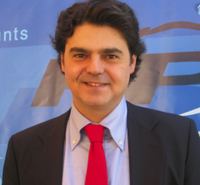 His Excellency Jorge Moragas
 “Kumilos Kaibigan”: The Spirit of the Madeline Delp Advocacy