

Presidents of the Rotary Club of Manila
106 terms since Leon J. Lambert called the first meeting of Asia’s first Rotary club in 1919. Select a portrait to read about that president’s year.
Foundations and First Convictions
Organized in 1919 as Asia's first Rotary club, the Club spent its first decade building habits meant to last. It launched The Rotary Balita in April 1919, helped introduce Boy Scouting to the Philippines and organize the Manila Boy Scout Council in 1923, and joined relief efforts after Japan's 1923 Great Kanto Earthquake.
Discipline in an Unsettled World
Through the Great Depression, the Club refined its purpose rather than retreating: it elected its first Filipino president, took up public health and the "Manila Beautiful" project, and helped organize the Rotary clubs of Cebu (1932) and Iloilo (1933). In 1935, Manila hosted the 5th Pacific Regional Rotary Conference, attended by Rotary founder Paul Harris.
Silence, War, and Survival
Under the Japanese occupation, the Club ceased all formal operations and its records were deliberately burned. After the war it was readmitted to Rotary International with its original charter number, and Rotary International entrusted it with P10,000 to help rehabilitate needy members and families across the district.
The Rotary Club of Manila ceased operations between 1942 and 1945 due to World War II and the Japanese occupation of the Philippines. Regular meetings halted in May 1942 as wartime conditions escalated. By late 1943, the club—along with seven other local Rotary clubs—was formally closed. Following liberation, the organization officially revived on September 13, 1945, and fully reorganized by October to resume its civic duties.
From Relief to System
The 1950s marked the Club's transition from postwar relief to lasting, organized service built around Rotary's Four Avenues of Service. It sponsored the creation of the National Traffic Commission, expanded health work including the Rotary Cancer Project, and supported youth programs such as Boys Town.
Expansion and Confidence
In the 1960s the Club's service grew broader and more sophisticated, from a pioneering child and adolescent psychiatric ward at UP–PGH to mass eye-care programs, a Filipino translation of the Four-Way Test and coordinated disaster relief. The decade closed with the 1969 Golden Jubilee, the Golden Book and the creation of Rotary Circle.
Service Under Pressure
In a decade the book describes as defined by constraint, the Club launched the TOWER Awards in 1976 to honor Filipino workers, and it ran livelihood, medical and housing programs. Membership passed 400, making it the largest Rotary club in Asia, and in 1979 the Club marked sixty years with the Diamond Joint District Conference.
Renewal and Relevance
After the restoration of democracy in 1986, the Club revived its Journalism Awards and made Sagip Kabataan for street children a flagship program. Eye care became permanent infrastructure through eye operating rooms, mass cataract surgeries and the RCM Eye Bank Foundation.
Global Partnerships, Local Depth
In the 1990s the Club worked as a strategic civic partner, from earthquake relief in 1990 to helping farmers reclaim lahar-covered fields after Mount Pinatubo. It expanded its eye-care programs and celebrated its Diamond Anniversary in 1994.
Scale, Technology and Transition
In the new millennium, the Club focused on making its service work at scale. It ran multinational medical missions, secured a long-term lease for its headquarters, and moved disaster response toward multi-year rehabilitation. It also embraced culture and digital tools while keeping its tradition of fellowship.
Centennial as Continuum
This decade was shaped by calamity. After Super Typhoon Yolanda, the Club raised ₱27 million for long-term rehabilitation, and it expanded education programs such as REAP and Sari-Saring Aralan. The decade closed with the 2019 Centennial, 100 years after the founding of Asia's first Rotary club.
Resilience in a Fragmented World
The pandemic moved meetings online and tested the Club's membership. Even so, service continued through PPE and medicine drives, Pasig River rehabilitation, and virtual TOWER and Journalism Awards. By 2023 the Club was rebuilding its in-person life, and it earned a Rotary International Citation.
Names and term descriptions from the Club’s presidential profiles, “Roster of Presidents 1919–2027” (2026). Portraits from “The Work That Endures: A Century of Service and Stewardship at the Rotary Club of Manila” by Reginald T. Yu, in the Club’s 107th anniversary program (2026). Corrections are welcome: rotaryclubofmanila@gmail.com.
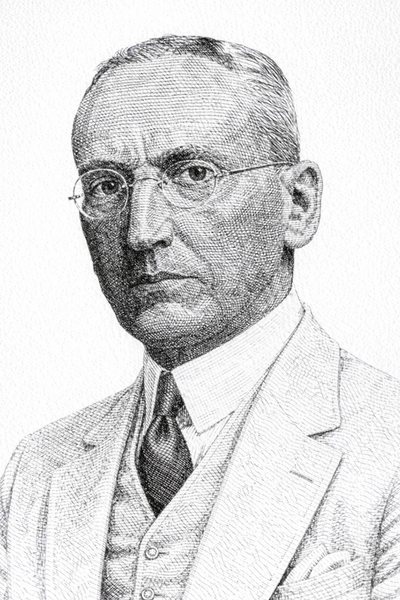
Leon J. Lambert
Leon J. Lambert, a prominent American businessman and president of Lambert Sales Company, founded the Rotary Club of Manila with 38 charter members, becoming its first president. During his term, Asia’s first Rotary club received Charter No. 478 on June 1, 1919, established weekly luncheon meetings at the Manila Hotel, and launched Rotary Balita to chronicle its projects and activities.
Source: Presidential profiles, Rotary Club of Manila (2026) · Balita: The Leon Lambert Legacy: Herminio Santos Esguerra's Quiet Power and Enduring Grace
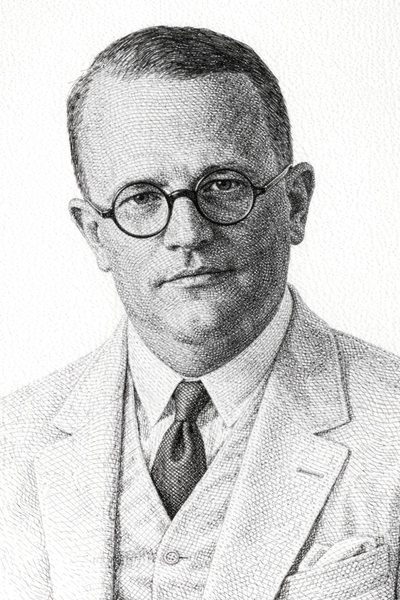
James C. Rockwell
James C. Rockwell, a charter member and utilities executive who helped electrify Manila and later became MERALCO’s first president, led the Rotary Club of Manila through its first full Rotary year. Succeeding founding president Leon J. Lambert, he served during Rotary’s early expansion in Asia; internationally, his term coincided with the first “Boys Week,” organized by the Rotary Club of New York in May 1920.
Source: Presidential profiles, Rotary Club of Manila (2026)
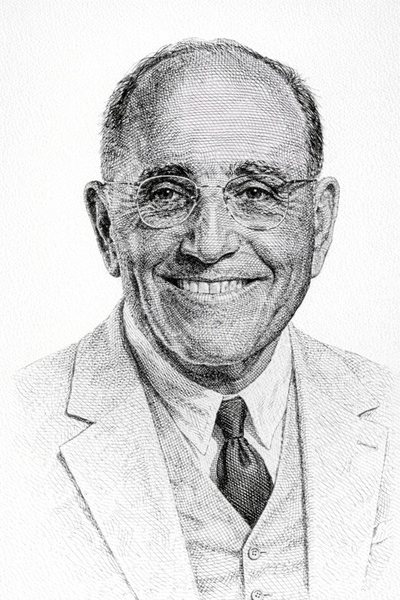
Frederick H. Stevens
Frederick H. Stevens, a businessman who spent 47 years in the Philippines and later authored Santo Tomas Internment Camp, served as the club’s third president. His presidency formed part of the club’s early efforts, continued under E. E. Elser, to establish Boy Scouting in the Philippines. His longstanding contributions earned him the club’s Distinguished Member Award in 1952 and Special Award in 1969.
Source: Presidential profiles, Rotary Club of Manila (2026)
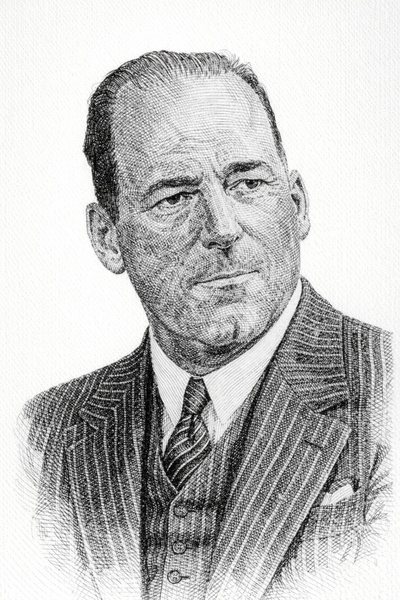
Ray W. Berdeau
Ray W. Berdeau, a Cornell University graduate and engineer experienced in canal construction and dredging, served as the Rotary Club of Manila’s fourth president. His term coincided with major international reforms: Rotary’s constitution and bylaws were comprehensively revised, a standard constitution became mandatory for newly organized clubs, and the International Association of Rotary Clubs adopted the shorter name “Rotary International.”
Source: Presidential profiles, Rotary Club of Manila (2026)
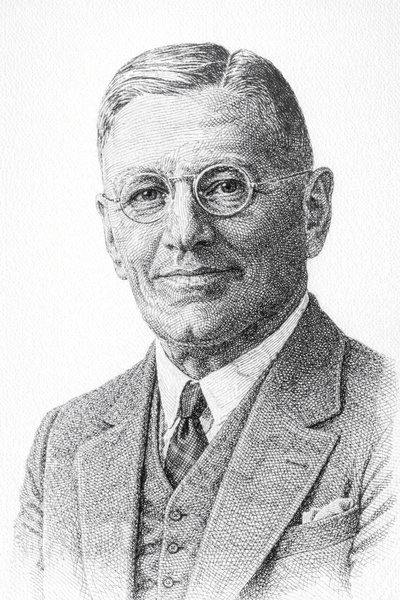
Edwin E. Elser
Edwin E. Elser, an insurance executive and charter member, served as the Rotary Club of Manila’s fifth president. He championed Boy Scouting in the Philippines, with the club seeking assistance from the Boy Scouts of America in December 1922 to establish a national council. His term also coincided with Rotary’s adoption of Resolution 34, which clarified its approach to community service.
Source: Presidential profiles, Rotary Club of Manila (2026)
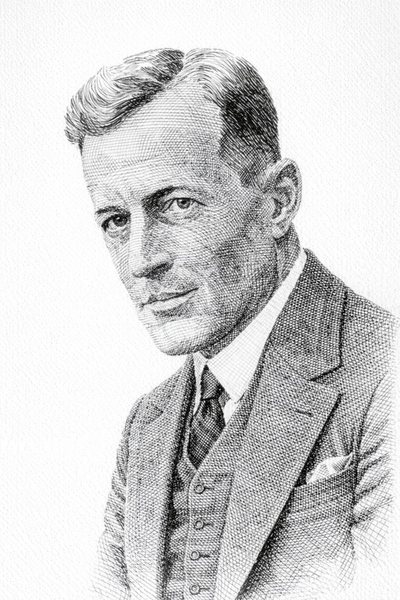
Charles Russell Zeininger
Charles Russell Zeininger, an advertising executive and scholar of Greek history who later served with distinction in World War II, was the club’s sixth president. In October 1923, he convened prominent Manila residents to establish the Manila Boy Scout Council. On December 27, the Boy Scouts of America recognized it as Philippine Islands Council No. 545, with jurisdiction throughout the archipelago.
Source: Presidential profiles, Rotary Club of Manila (2026)
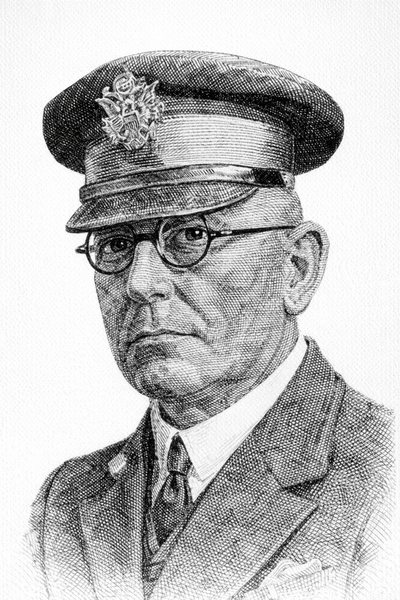
John P. Wade
John P. Wade served as the Rotary Club of Manila’s seventh president during a period of international expansion. His term coincided with Rotary issuing its 2,000th charter, establishing a secretariat branch in Zurich, and extending into five additional countries. The Philippines also made its Olympic debut at the 1924 Paris Games, represented by sprinter David Nepomuceno.
Source: Presidential profiles, Rotary Club of Manila (2026)
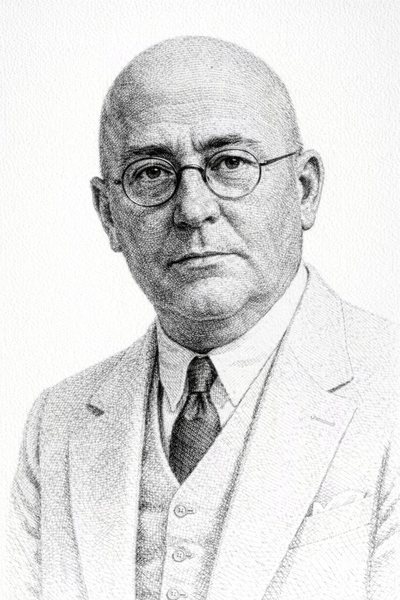
William J. Shaw
William J. Shaw, an industrialist associated with Atlantic, Gulf and Pacific Company (AG&P), served as the Rotary Club of Manila’s eighth president. He had worked as a ship’s busboy to finance his passage to Manila before building a career in engineering, manufacturing, and steel fabrication. Beyond his Rotary presidency, he founded Wack Wack Golf and Country Club in 1931; Shaw Boulevard commemorates his legacy.
Source: Presidential profiles, Rotary Club of Manila (2026)
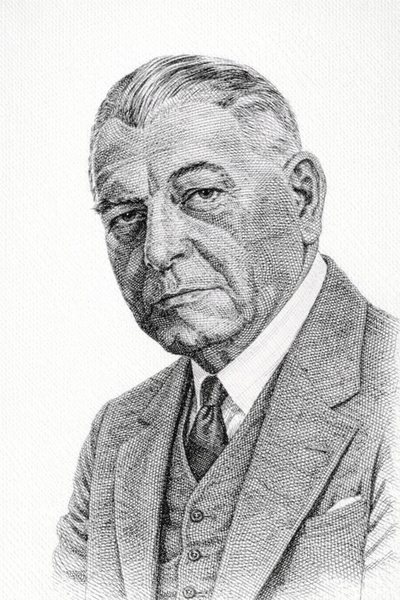
Ewald E. Selph
Ewald E. Selph, a prominent American attorney and senior partner of Ross, Lawrence, Selph & Carrascoso, served as the Rotary Club of Manila’s ninth president. His term coincided with Rotary’s 1927 convention in Ostend, Belgium, where King Albert I affirmed international friendship and brotherhood. The convention also adopted the Aims and Objects plan as recommended practice for club administration and activities.
Source: Presidential profiles, Rotary Club of Manila (2026)
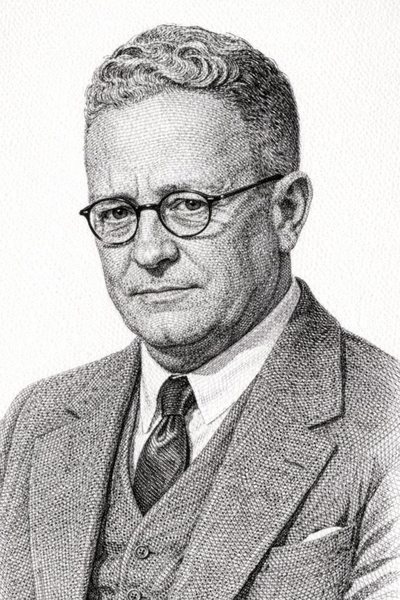
Eugene A. Perkins
Eugene Arthur Perkins, a prominent American attorney and Siamese consul in the Philippines, served two consecutive terms as president of the Rotary Club of Manila. He led the club during its tenth founding anniversary, when membership numbered 112 and included Filipino, American, British, Spanish, Chinese, German, and Japanese members. His presidency marked a decade of Rotary service and international fellowship in Manila.
Source: Presidential profiles, Rotary Club of Manila (2026)
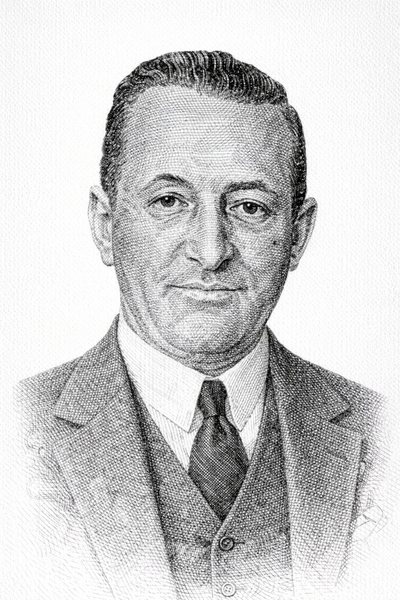
Charles W. Franks
Charles W. Franks, an American colonial administrator who served as secretary to six successive Governor-Generals, led the Rotary Club of Manila during Rotary’s silver anniversary. His term coincided with the 1930 Chicago convention, which drew a record 11,019 delegates from 58 countries. A message from founder Paul Harris urged Rotary to embrace constructive criticism and adapt to changing times.
Source: Presidential profiles, Rotary Club of Manila (2026)
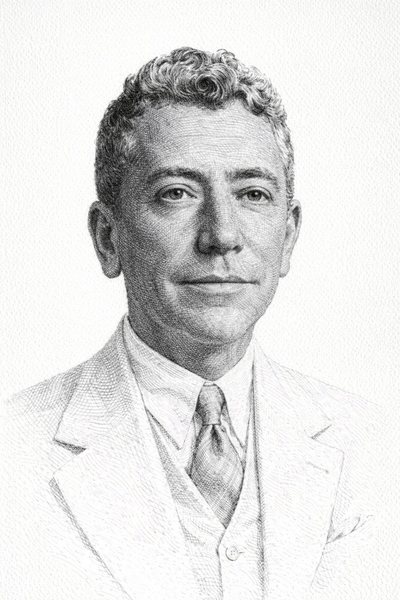
Samuel F. Gaches
Samuel F. Gaches, an American businessman and philanthropist who headed H. E. Heacock & Co., served as the Rotary Club of Manila’s president in 1930-1931. His civic interests included tuberculosis prevention and improved housing. His term coincided with Rotary’s first regional conference for Europe, Africa, and Asia Minor at The Hague and its 22nd annual convention in Vienna, reflecting the movement’s expanding international reach.
Source: Presidential profiles, Rotary Club of Manila (2026)
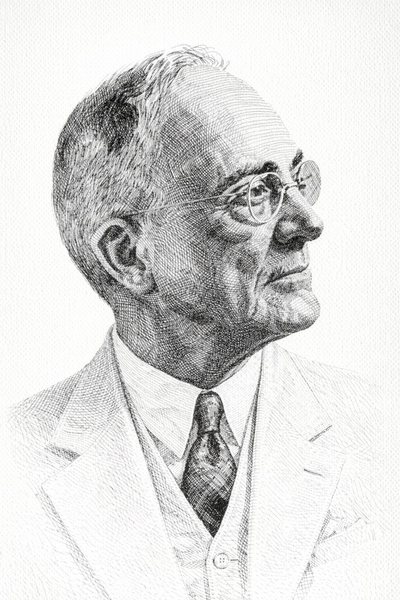
Frank B. Ingersoll
Frank B. Ingersoll, an American lawyer who arrived in the Philippines in 1901 and served as a prosecuting attorney and Manila judge, led the Rotary Club of Manila during the Great Depression. His term coincided with Rotary’s first net annual membership decline: worldwide membership fell by 2,000 and 27 clubs closed. Despite these difficulties, Rotary continued expanding geographically, establishing its first club in Latvia.
Source: Presidential profiles, Rotary Club of Manila (2026)
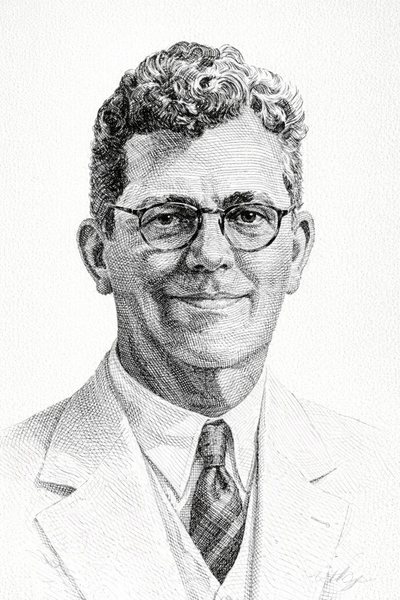
Theodore L. Hall
Theodore “Ted” Hall, an American corporate executive and PLDT vice president, strengthened Rotary education during his Manila presidency through discussions that anticipated “Fireside” meetings. He published 31 career-guidance booklets, distributing 40,000 copies to high school and college students. His term also expanded Rotary’s Philippine presence through the organization of the Cebu club in November 1932 and the Iloilo club in April 1933.
Source: Presidential profiles, Rotary Club of Manila (2026)
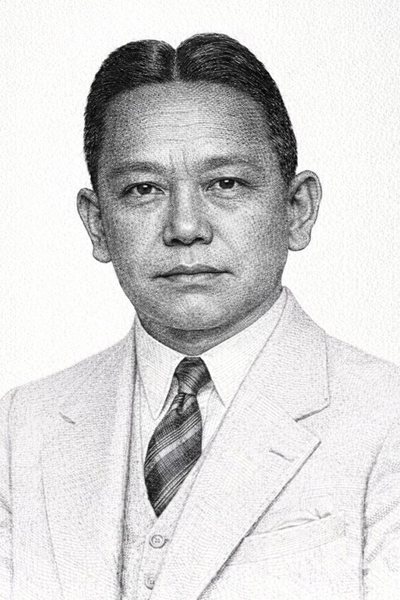
Arsenio Nicasio K. Luz
Arsenio Nicasio “Arsenic” K. Luz, a prominent journalist, businessman, and Manila Carnival director, became the Rotary Club of Manila’s first Filipino president. He launched “Manila Beautiful” to improve Luneta and Dewey Boulevard, advancing the club’s civic beautification efforts. His term also coincided with the inauguration of Revista Rotaria, Rotary’s Spanish-language magazine. Beyond his presidency, Luz helped organize the Boy Scouts of the Philippines.
Source: Presidential profiles, Rotary Club of Manila (2026)
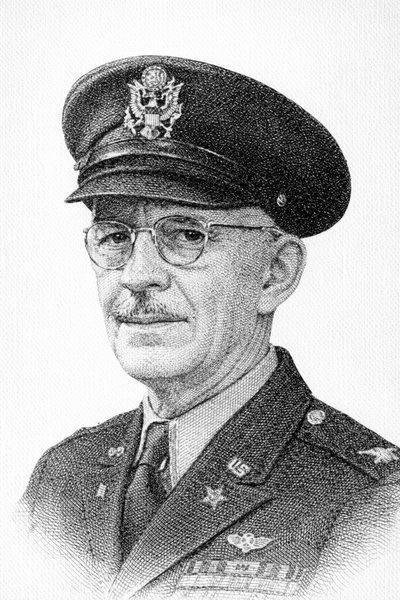
Arthur F. Fischer
Arthur F. Fischer, an American forester, military officer, and longtime Philippine forestry director, served as the Rotary Club of Manila’s seventeenth president. His term featured the Fifth Pacific Regional Conference in February 1935, attended by Rotary founder Paul Harris and international president Robert E. Lee Hill. He also launched a campaign providing surgery for young people with cleft lips, strengthening the club’s humanitarian service.
Source: Presidential profiles, Rotary Club of Manila (2026)
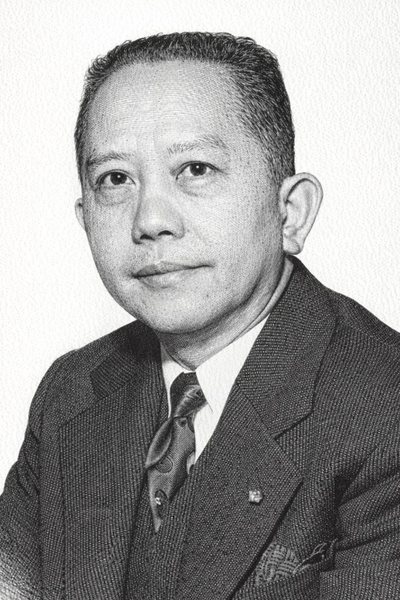
Carlos P. Romulo
Carlos P. Romulo, a Filipino journalist and statesman who later became the first Asian president of the United Nations General Assembly, served as Manila Rotary’s eighteenth president. He sponsored Boys Week in 1935, helping establish it as a national institution. He also revised meeting traditions, moving communal singing from mealtimes to immediately before the guest speaker’s introduction.
Source: Presidential profiles, Rotary Club of Manila (2026) · Balita: Editorial · Balita: A Brave New World
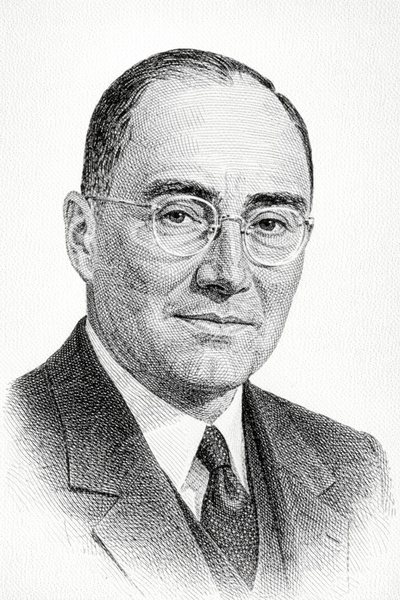
George C. Dankwerth
George C. Dankwerth, an American banker and former Philippine Trust Company president, served as the Rotary Club of Manila’s nineteenth president. He established the Club Service “Sunshine” Committee to support bereaved members and those ill at home or in hospitals. This initiative strengthened fellowship by making personal care and mutual support an organized part of club life.
Source: Presidential profiles, Rotary Club of Manila (2026)
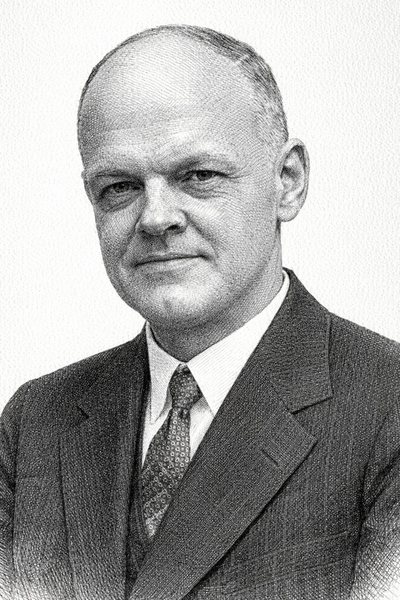
George A. Malcolm
George A. Malcolm, an American Supreme Court justice and founder of the UP College of Law, served as Manila Rotary’s twentieth president. He broadened membership to include more Filipinos and other nationalities, balanced the budget for the first time in five years, and supported blind residents and street cleaners. His term also earned the club Rotary International’s first prize for vocational service.
Source: Presidential profiles, Rotary Club of Manila (2026) · Balita: A Brave New World
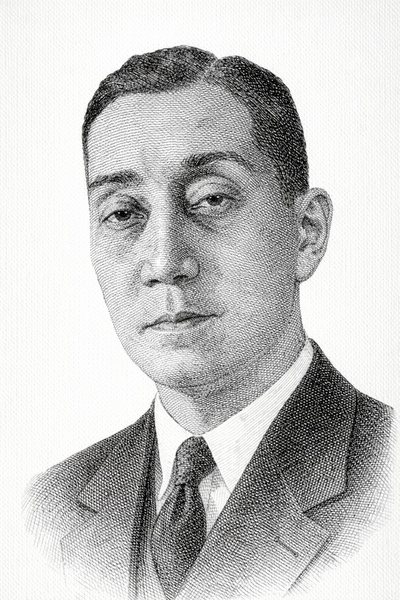
Victor A. Buencamino
Victor Buencamino, a pioneering Filipino veterinarian and former director of the Bureau of Animal Industry, served as Manila Rotary’s twenty-first president. During his term, he addressed street begging in Manila through efforts to identify people needing assistance and return others to their home provinces. His presidency coincided with international Rotary relief efforts following Chile’s devastating 1939 earthquake.
Source: Presidential profiles, Rotary Club of Manila (2026)
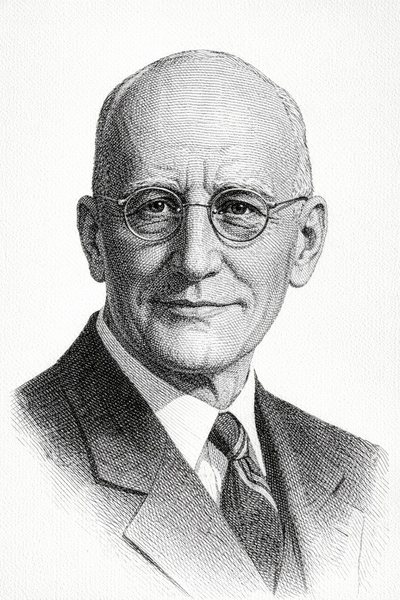
Edward L. Hall
Edward “Ned” L. Hall, an American commercial executive active in Manila’s business and Masonic circles, served as the club’s twenty-second president. His term saw at least 35 active committees and the introduction of a members’ badge rack. Internationally, Rotary allocated $50,000 for Red Cross war relief and approved a relief fund for Rotarians and their families affected by war.
Source: Presidential profiles, Rotary Club of Manila (2026)
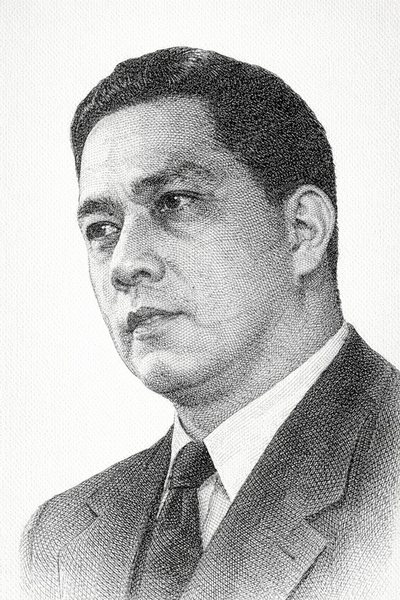
Gil J. Puyat
Gil J. Puyat, a Filipino industrialist, educator, and future Senate president, was Manila Rotary’s youngest president. His first term supported disadvantaged boys, fire victims, and children needing eyeglasses. Returning after World War II, he led the club’s revival with 50 charter members and coordinated assistance for Rotarians and their families, using Rotary International funding and donated supplies to support recovery.
Source: Presidential profiles, Rotary Club of Manila (2026) · Balita: Message from PP Alberto “Bert” Romulo
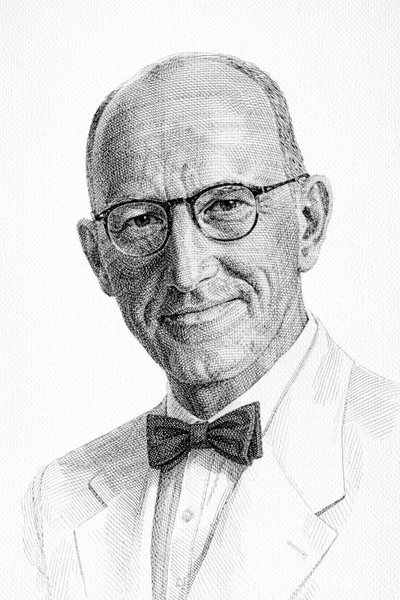
Hugo H. Miller
Hugo H. Miller, an American educator, economics textbook author, and publishing representative, served as Manila Rotary’s twenty-fourth president. His term was cut short by World War II, during which club records were destroyed and regular activities ceased. The club’s final 1941 meeting took place on Corregidor, and General Douglas MacArthur became an honorary member. Miller was later captured and executed by Japanese forces.
Source: Presidential profiles, Rotary Club of Manila (2026)
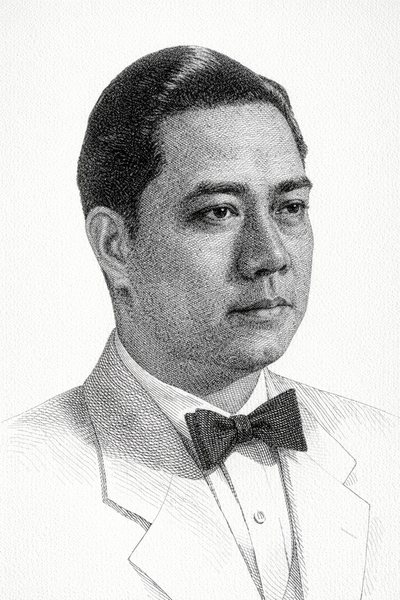
Gil J. Puyat
Gil J. Puyat, a Filipino industrialist, educator, and future Senate president, led Manila Rotary’s postwar revival during his second term. The club rejoined Rotary International with 50 charter members, retaining its original charter number, 478. With ₱10,000 from Rotary International and supplies donated by Philadelphia Rotarians, it assisted members and their families, helping rebuild lives disrupted by war.
Source: Presidential profiles, Rotary Club of Manila (2026)
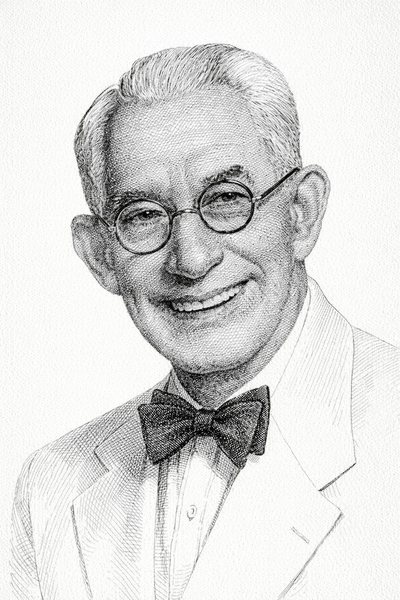
Forrest H. Myers
Forrest H. Myers, an American businessman and longtime Manila resident, became the Rotary Club of Manila’s first American president after World War II. He served during the club’s early postwar recovery, following its reestablishment under Gil J. Puyat. His term coincided with the death of Rotary founder Paul Harris on January 27, 1947, marking a significant moment in the organization’s history.
Source: Presidential profiles, Rotary Club of Manila (2026)
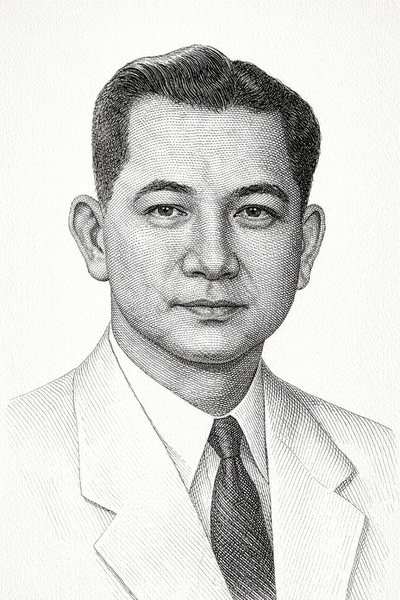
Manuel B. Lim
Manuel B. Lim, a lawyer and Ateneo law dean who later served as Secretary of Education and Secretary of Commerce and Industry, led Manila Rotary’s twenty-seventh presidency. He strengthened Rotary education through assemblies and fireside meetings, promoted a public courtesy campaign distributing 15,000 posters, and welcomed Rotary International President S. Kendrick Guernsey’s official visit.
Source: Presidential profiles, Rotary Club of Manila (2026)
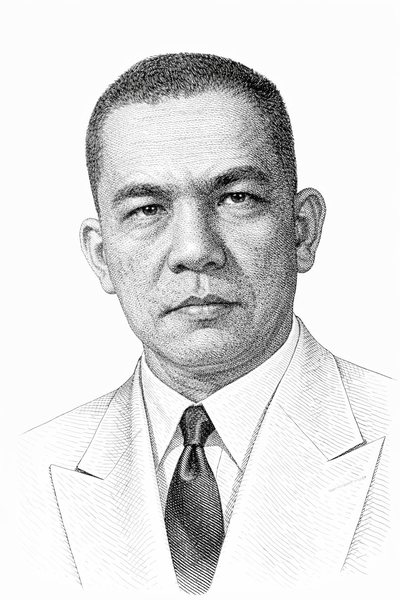
Emilio M. Javier
Emilio M. Javier, a Filipino lawyer, educator, and former vice-presidential candidate, served as Manila Rotary’s twenty-eighth president. During his term, the club supported the creation of a National Traffic Commission and hosted the Sixth District Conference in March 1949. He promoted Rotary’s four avenues of service through his address, “Extending Our Rotary Frontiers,” and spoke at Rotary’s International Assembly in Lake Placid, New York.
Source: Presidential profiles, Rotary Club of Manila (2026)
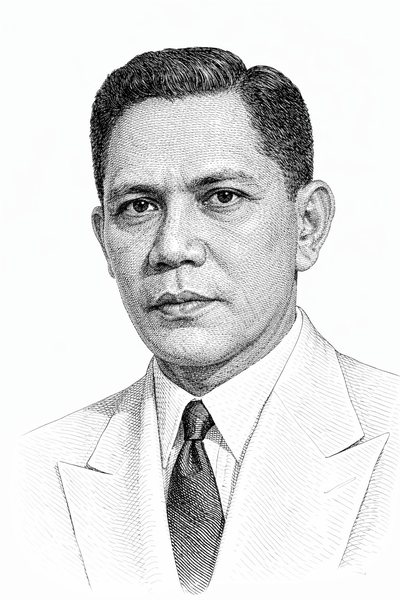
Cornelio A. Balmaceda
Cornelio Balmaceda, a Filipino economist, journalist, and Secretary of Commerce and Industry, served as Manila Rotary’s twenty-ninth president. His term expanded community service through disability placement, city beautification, scholarships, and donations of 102 pairs of eyeglasses. Membership grew from 138 to 153, meetings returned to the Manila Hotel, and the club earned the district governor’s trophy for outstanding work advancing Rotary.
Source: Presidential profiles, Rotary Club of Manila (2026)
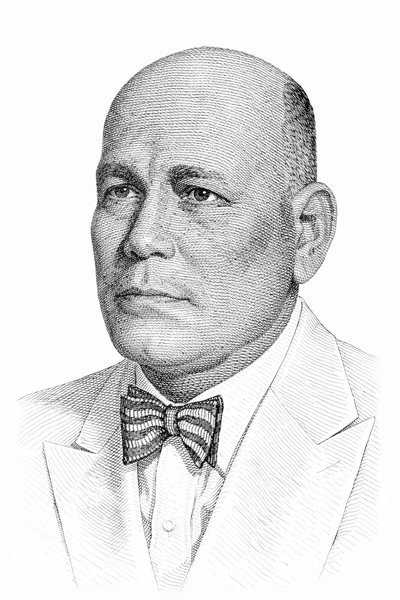
Benito F. Legarda
Benito F. Legarda, a Filipino chemist, businessman, and pioneering chairman of the Board of Chemistry, served as Manila Rotary’s thirtieth president. His term supported children’s corrective surgeries, equipped a Boy Scouts handicraft workshop, and established a playground in La Loma. The club also donated equipment for polio patients at San Lazaro Hospital and provided assistance to Filipino troops in Korea and bereaved military families.
Source: Presidential profiles, Rotary Club of Manila (2026)
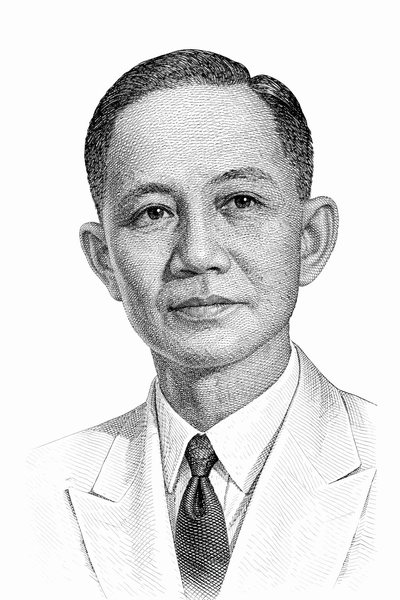
Vicente G. Bunuan
Vicente G. Bunuan, a journalist, former Philippine Press Bureau director in Washington, and Sugar Quota Administrator, served as Manila Rotary’s thirty-first president. His term equipped Boys Town’s vocational workshop with woodworking machinery, installed eight warning signs along Manila and Pasay beaches, and supported the National Boy Scout Song Contest. The club also hosted the 1951 District Assembly, attracting 250 registrants.
Source: Presidential profiles, Rotary Club of Manila (2026)
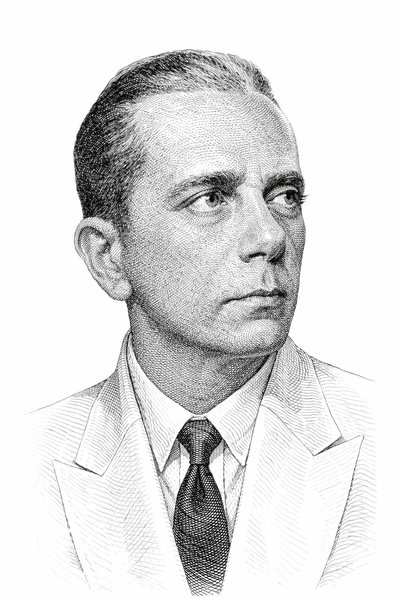
Hans M. Menzi
Hans M. Menzi, a Filipino industrialist and military officer who later published the Manila Bulletin, served as Manila Rotary’s thirty-second president. His term launched the Rotary Cancer Project, using newspapers, radio, and film to promote awareness. The club also supported 600 hospital patients, organized an international youth fellowship camp, and hosted the Tenth District Conference, bringing together representatives from every club in the district.
Source: Presidential profiles, Rotary Club of Manila (2026)
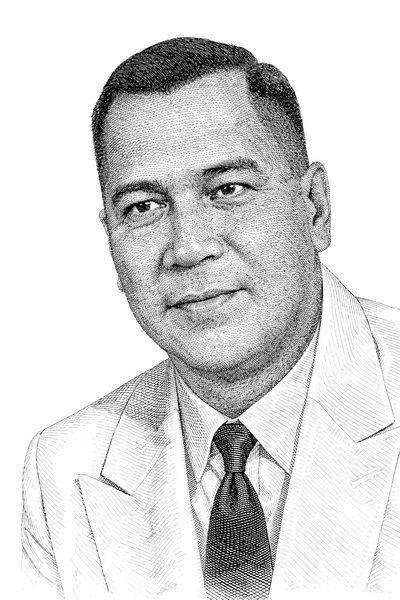
Eduardo Z. Romualdez
Eduardo Z. Romualdez, a Filipino banker who later served as Finance Secretary and Ambassador to the United States, was Manila Rotary’s thirty-third president. His term supported new cottages at Boys Town, surgery for a child with a disability, and a cancer education exhibit at Far Eastern University. The club also celebrated hospitalized soldiers’ birthdays and assisted a Filipino youth delegate attending an international forum.
Source: Presidential profiles, Rotary Club of Manila (2026) · Balita: Message from PP Alberto “Bert” Romulo
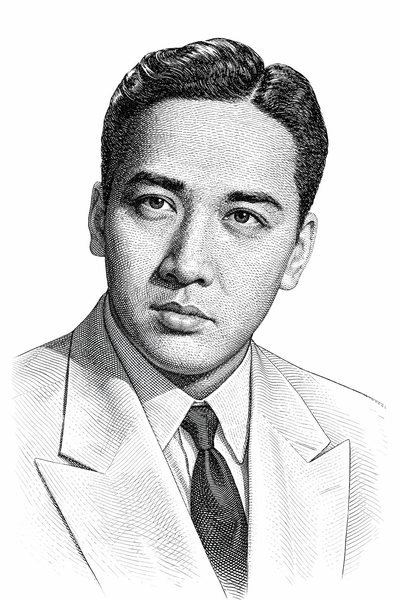
Eugenio J. Puyat
Eugenio J. Puyat, a Filipino industrialist, sports patron, and civic leader, served as Manila Rotary’s thirty-fourth president. His term coincided with Rotary’s golden anniversary, emphasizing youth service, international goodwill, and the Four-Way Test. Worldwide, Rotary chartered a record 487 clubs and awarded 108 international fellowships, reflecting the expanding fellowship and educational mission in which Manila participated.
Source: Presidential profiles, Rotary Club of Manila (2026) · Balita: A LIFE THAT BUILT A NATION
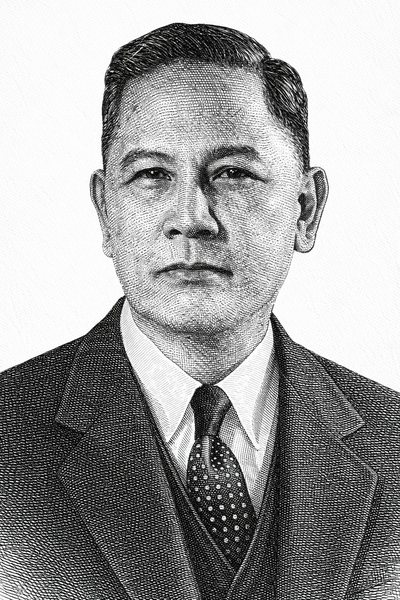
Conrado F. Benitez
Conrado Benitez, an educator, founding Dean of the UP College of Business Administration, and drafter of the 1935 Constitution, served as Manila Rotary’s thirty-fifth president. Under his leadership, the club launched a cerebral palsy education and fundraising campaign to build a rehabilitation clinic for children. His term also saw the inauguration of a new Rotary office at the Manila Hotel and the official visit of Rotary International President A. Z. Baker.
Source: Presidential profiles, Rotary Club of Manila (2026)
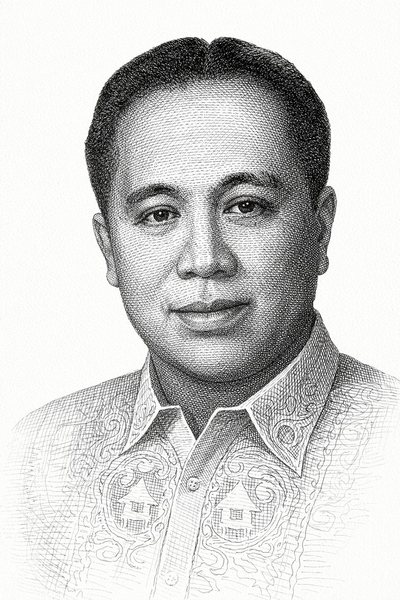
Juan J. Carlos
Juan J. Carlos, an engineer and businessman who headed United Construction Company, served as Manila Rotary’s thirty-sixth president. His term supported hospital facilities, public waiting sheds, and charitable organizations, while membership grew by 27 members, or 15 percent. The club also hosted a district conference, and Carlos constructed the distinctive Rotary Circle in Remedios, Malate, creating a lasting landmark of Rotary’s civic presence.
Source: Presidential profiles, Rotary Club of Manila (2026)
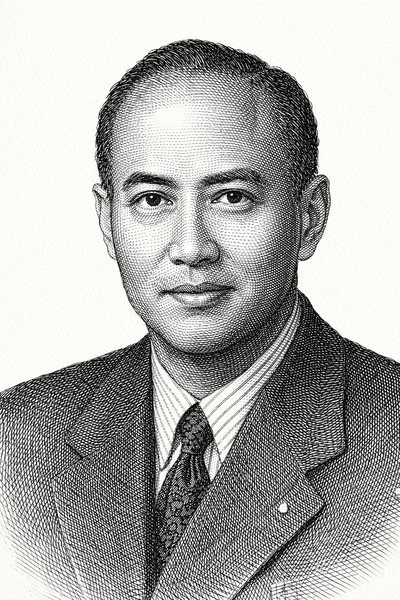
Francisco C. Delgado
Francisco “Paco” C. Delgado, a Filipino businessman and World War II veteran, served as Manila Rotary’s thirty-seventh president. He made Balita a weekly publication, established the Past Presidents’ Gallery, and increased membership by 25, or 13 percent. His term also brought streetlights to the Quirino Grandstand frontage and special meetings highlighting government institutions, including one aboard the SS President Wilson with President Carlos P. Garcia.
Source: Presidential profiles, Rotary Club of Manila (2026)
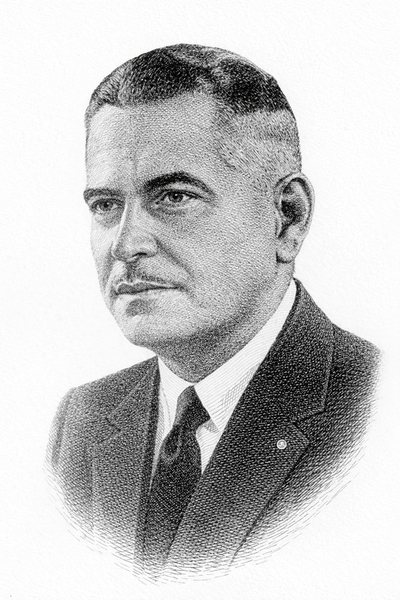
Joaquin B. Preysler
Joaquin “Jack” B. Preysler, a Filipino businessman and civic leader, served as Manila Rotary’s thirty-eighth president. During his term, the club built a 320-meter promenade at Luneta, installed ornamental lights near Manila Cathedral, and supported six charitable institutions through Christmas donations. He also secured animal donations for Manila Zoo and earned the club “100% Rotary Foundation Club” recognition.
Source: Presidential profiles, Rotary Club of Manila (2026)
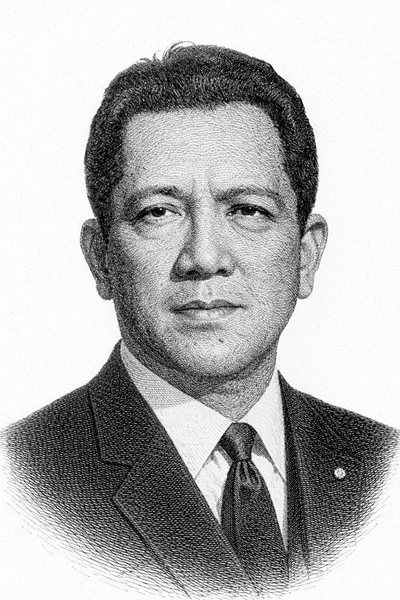
Ramon C. Ordoveza
Ramon C. Ordoveza, a Filipino businessman and civic leader, served as Manila Rotary’s thirty-ninth president. He secured ₱20,000 for a two-story “Rotary Wing” at the Philippine Cancer Society’s national headquarters, supported ten charitable institutions, and provided medical assistance to four patients. His term also saw publication of an updated Rotary songbook and Balita earn its first recorded net profit.
Source: Presidential profiles, Rotary Club of Manila (2026)
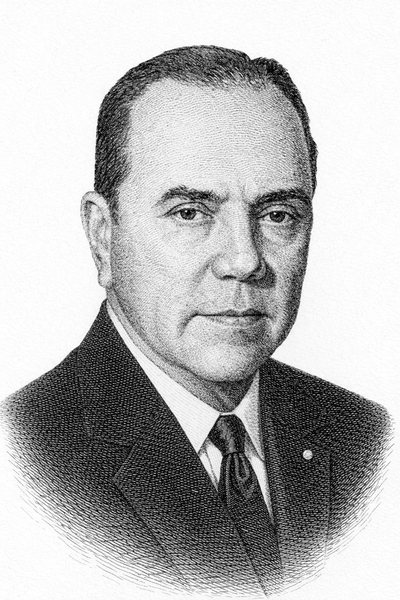
Jose M. Barredo
Jose “Joe” M. Barredo, Jr., a Filipino businessman and civic leader, led Manila Rotary during a year of extensive disaster relief. He organized “Operation Rotary Ark,” a joint effort benefiting 25,000 flood-affected families. His term also supported a working boys’ camp, a playground at Heart of Mary Villa, assistance for fire victims, and contributions to tuberculosis, mental health, and cerebral palsy programs.
Source: Presidential profiles, Rotary Club of Manila (2026)
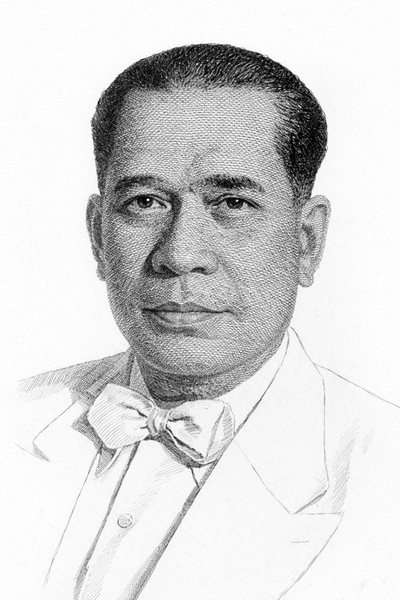
Emilio M. Abello
Emilio M. Abello, a Filipino lawyer, diplomat, and former Executive Secretary, served as Manila Rotary’s forty-first president. He introduced a Filipino translation of the Four-Way Test, distributed bilingual cards and stickers, and added “Sidelights” to Balita. His term also welcomed Rotary International President Joseph Abey and ended early upon his appointment as Philippine Ambassador to the United States.
Source: Presidential profiles, Rotary Club of Manila (2026) · Balita: Message from PP Alberto “Bert” Romulo
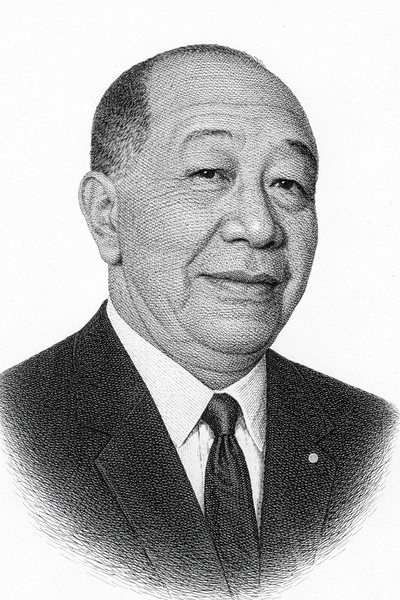
Jose Y. Orosa
Jose Y. Orosa, the first Filipino president of H.E. Heacock and former NAMARCO general manager, succeeded Emilio Abello as Manila Rotary’s forty-second president. He hosted the nineteenth District Conference with 700 attendees, supported charitable institutions and Mindanao flood victims, and advanced free eye care. His term also facilitated acceptance of the Manila Rotary Welcome Arch at Manila International Airport.
Source: Presidential profiles, Rotary Club of Manila (2026)
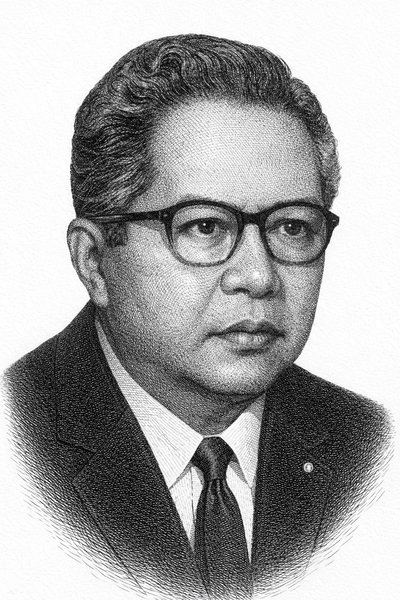
Teodoro T. Evangelista
Teodoro “Teddy” Evangelista, an educator, lawyer, and president of Far Eastern University, served as Manila Rotary’s forty-third president. His term emphasized children’s welfare, sponsoring medical treatment for two children in need and providing playground equipment to six charitable institutions. The club also distributed Christmas gifts to twelve institutions and funded a Working Boys Camp in Baguio City with ₱4,500.
Source: Presidential profiles, Rotary Club of Manila (2026)
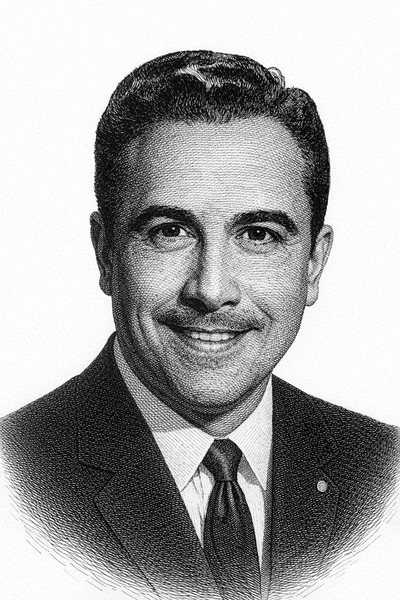
Herbert C. Hendry
Herbert “Herb” C. Hendry, an American telecommunications executive who led Globe Mackay Cable and Radio Corporation, served as Manila Rotary’s forty-fourth president. His term produced Luneta’s “Fountain of Fellowship,” promoted road safety through stickers and school posters, and supported health charities. He also introduced a pictorial Four-Way Test in newspapers and inducted 43 new members, bringing membership to 301.
Source: Presidential profiles, Rotary Club of Manila (2026)
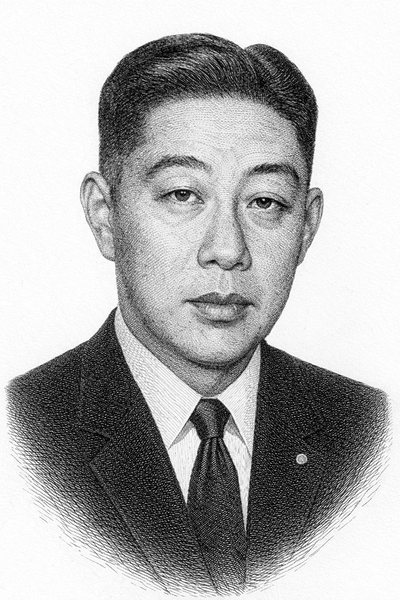
David C. SyCip
David “Dave” C. SyCip, a Filipino industrialist, banker, and advocate of regional economic cooperation, served as Manila Rotary’s forty-fifth president. He organized Operations Palusong to clear typhoon debris, equipped Philippine Science High School, and raised ₱59,403 for the Roxas Promenade. His term also supported hospitals and orphanages and earned recognition for outstanding vocational service through an employer-employee relations program.
Source: Presidential profiles, Rotary Club of Manila (2026)
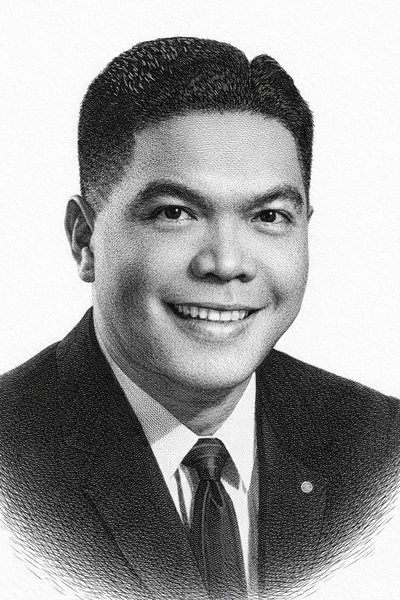
Francisco V. Del Rosario
Francisco “Toting” V. del Rosario, a Filipino corporate executive and diplomat, served as Manila Rotary’s forty-sixth president. He sponsored 50 houses for Taal eruption victims through Operation Damayan, launched the club’s baccalaureate scholarship program, and established its Speakers’ Bureau. His term also supported eye operations for disadvantaged students, orphanages, pedestrian safety, and the 1965 District Interact Club Convention.
Source: Presidential profiles, Rotary Club of Manila (2026) · Balita: A LIFE THAT BUILT A NATION | Francisco Tomas Vivencio del Rosario and the Quiet Architecture of a Life That Endures
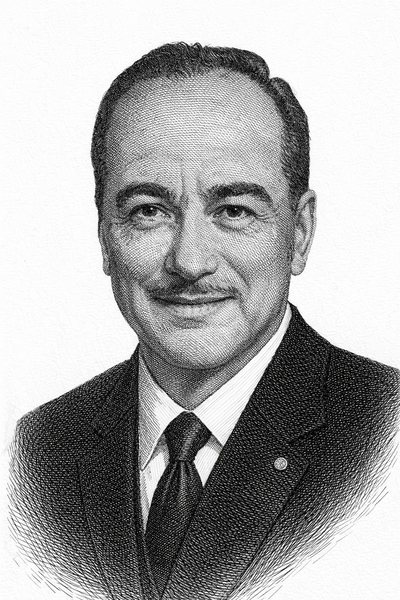
Jose M. Olbes
Jose “Joe” M. Olbes, a Filipino insurance executive who headed Insular Life and the FGU Insurance Group, served as Manila Rotary’s forty-seventh president. His Christmas Drive provided food, medicines, clothing materials, and ₱350 each to seven charitable institutions. The club also contributed to District 380’s “Milk for the Children of India” project and secured donated supplies for the district conference in Baguio.
Source: Presidential profiles, Rotary Club of Manila (2026) · Balita: The Pro Patria Journalism Awards: The Rotary Club of Manila's Enduring Tribute to Truth, Press Freedom, and Nation-Building
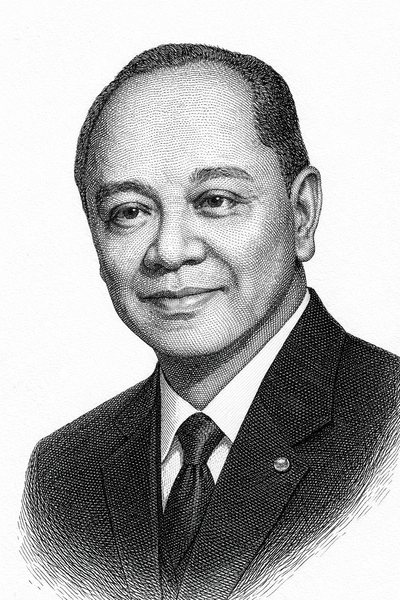
Gil R. Carlos
Gil R. Carlos, a Filipino lawyer and corporate law author, served as Manila Rotary’s forty-eighth president. He inducted 26 members, improved club facilities, and recorded perfect attendance among 68 members. His term provided 567 eyeglasses to schoolchildren, raised ₱4,000 for the Christmas Drive, and supported the Mount Samat memorial shrine and Filipino civic assistance personnel in South Vietnam.
Source: Presidential profiles, Rotary Club of Manila (2026) · Balita: The Pro Patria Journalism Awards: The Rotary Club of Manila's Enduring Tribute to Truth, Press Freedom, and Nation-Building
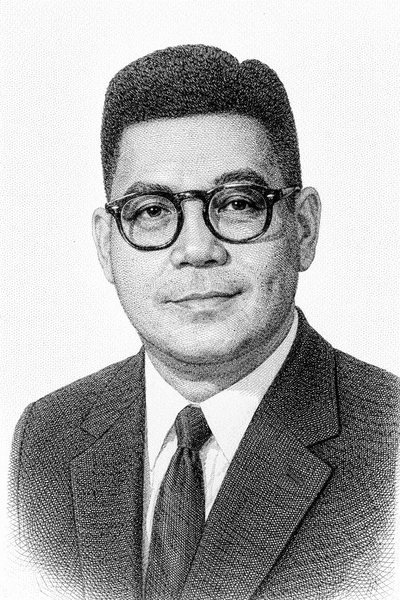
Luciano E. Salazar
Luciano “Sally” E. Salazar, a corporate lawyer who later became SyCipLaw’s managing partner, served as Manila Rotary’s forty-ninth president. He led its Golden Jubilee, published the Golden Book chronicling fifty years of service, and oversaw the ₱90,000 transformation of Remedios Circle into Rotary Circle. His term also aided Ruby Tower earthquake victims, distributed Christmas gifts, and hosted a district assembly and leadership forum.
Source: Presidential profiles, Rotary Club of Manila (2026)
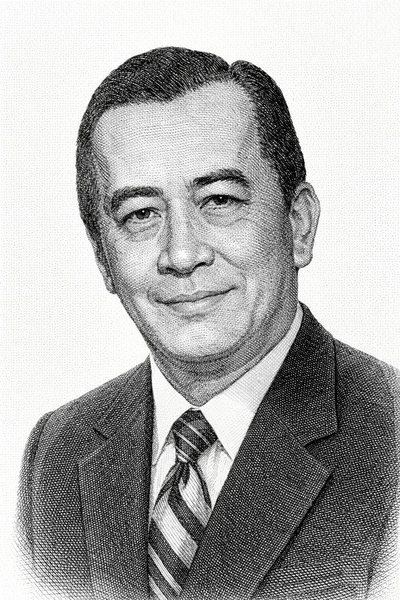
Antonio Roxas-Chua
Antonio “Tony” Roxas-Chua, a Filipino-Chinese sugar tycoon, banker, and civic leader, served as Manila Rotary’s fiftieth president. He supported the World Youth Assembly Trust Fund and Manila Boy Scouts, donated lumber for a dump-truck ramp, and strengthened the club’s administration through revised membership fees. His term also expanded the “Journalist of the Year” awards, increasing prizes and introducing a third-place award.
Source: Presidential profiles, Rotary Club of Manila (2026)
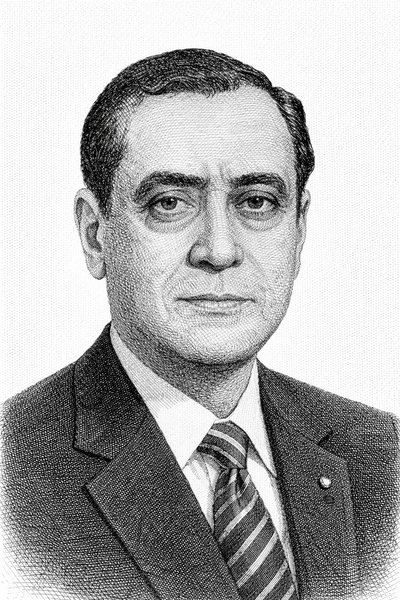
Alfonso M. Ayesa
Dr. Alfonso “Doc” Ayesa, a physician and former president of the Philippine Obstetrical and Gynecological Society, served as Manila Rotary’s fifty-first president. His term mobilized typhoon relief, established the club’s first Rotaract club at Philippine Christian College, and sponsored two Interact clubs. The club also contributed ₱5,000 toward a cerebral palsy rehabilitation clinic and published an illustrated manual for public utility drivers.
Source: Presidential profiles, Rotary Club of Manila (2026)
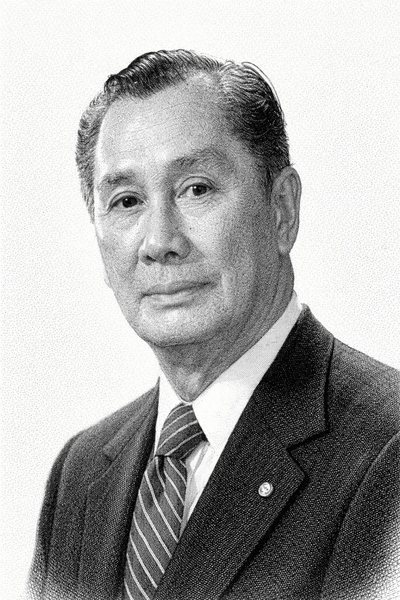
Carlos D. Arguelles
Carlos “Carling” Arguelles, a Filipino architect and educator known for modernist landmarks, served as Manila Rotary’s fifty-second president. Guided by “Total Self-Involvement,” his term supported artificial limbs for disadvantaged patients, typhoon relief in Leyte, and youth music and sports programs. The club also welcomed its first Japanese member since World War II, strengthening international fellowship.
Source: Presidential profiles, Rotary Club of Manila (2026)
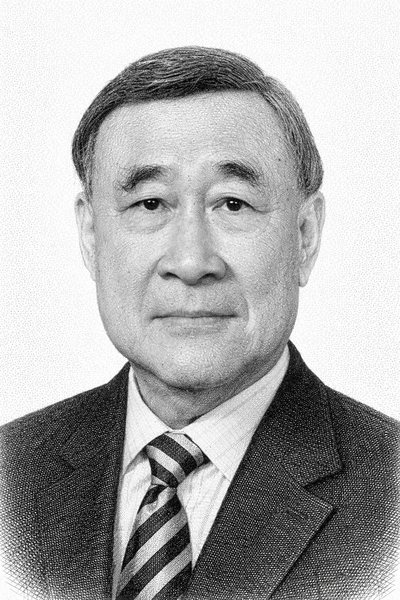
Wilfrido C. Tecson
Wilfrido “Willie” C. Tecson, a banker and Solidbank co-founder, served as Manila Rotary’s fifty-third president. Through Oplan Pakikiramay, he mobilized relief for Central Luzon and helped establish UP-PGH’s Child and Adolescent Psychiatric Ward. His term also provided water and sanitation facilities in Barrio Sucad, Pampanga, funded Don Bosco scholarships, and increased club membership by 54, or 22 percent.
Source: Presidential profiles, Rotary Club of Manila (2026)
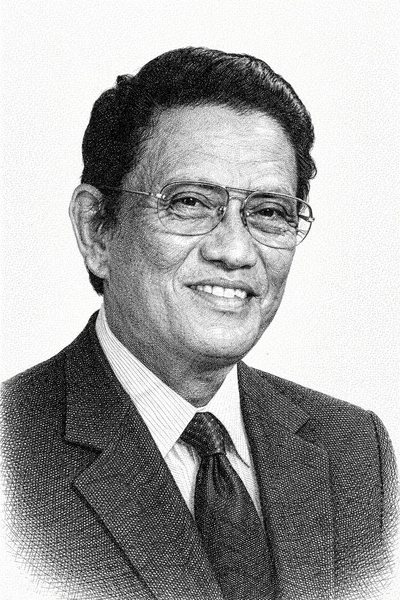
Florentino N. Santos
Dr. Florentino “Flor” N. Santos, a Filipino surgeon and medical educator, served as Manila Rotary’s fifty-fourth president. His term advanced “Operation: Opportunity,” providing career guidance to over 57,000 high school graduates, and hosted the 1974 District Conference with more than 1,000 delegates. The club also distributed 550 eyeglasses, supported fifteen charitable institutions, and donated gardening equipment for community upkeep in Malate.
Source: Presidential profiles, Rotary Club of Manila (2026)
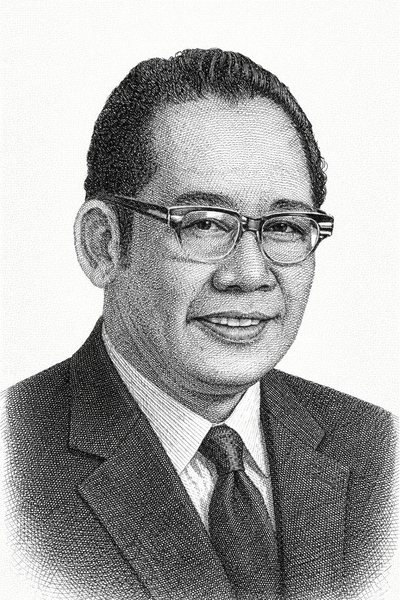
Chester G. Babst
Chester “Chet” G. Babst, a banker who headed Pacific Banking Corporation and the Bankers Association of the Philippines, served as Manila Rotary’s fifty-fifth president. He launched “Operation Employment,” a career guidance initiative that earned Rotary International’s Significant Achievement Award, and introduced cleanliness awards for public buildings. His term also welcomed 43 members, supported scholarships and flood relief, and organized the Rotary Club of Raha Sulayman.
Source: Presidential profiles, Rotary Club of Manila (2026)
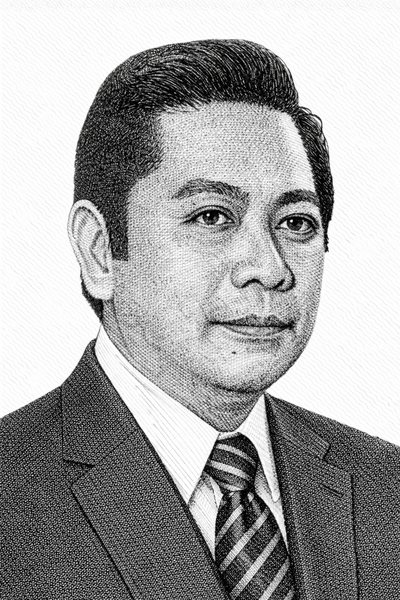
Teofilo G. Reyes Jr.
Teofilo “Fil” G. Reyes Jr., a Filipino businessman, industrialist, and chamber of commerce leader, served as Manila Rotary’s fifty-sixth president. He inaugurated the Ten Outstanding Workers of the Republic Awards and launched “Operation Hanapbuhay” for career guidance. His term also supported homeless boys, charitable institutions, and livelihood opportunities in Tondo, while establishing the FEU Rotaract Club and a sisterhood with Kowloon East.
Source: Presidential profiles, Rotary Club of Manila (2026)
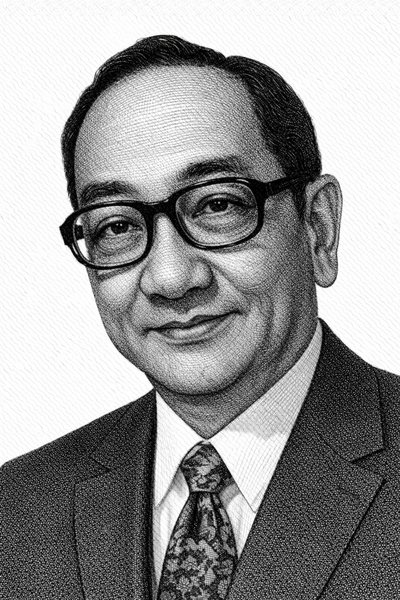
Buenaventura U. V. Angtuaco
Dr. Buenaventura “Benny” U. V. Angtuaco, a physician and former dean of UST’s Faculty of Medicine and Surgery, served as Manila Rotary’s fifty-seventh president. His term expanded medical outreach, distributed 457 eyeglasses, and promoted graduate employment through “Operation Placement.” He also organized three Interact clubs and the Rotary Club of Panday Pira, strengthened international sisterhood ties, and added sixteen Paul Harris Fellows.
Source: Presidential profiles, Rotary Club of Manila (2026)
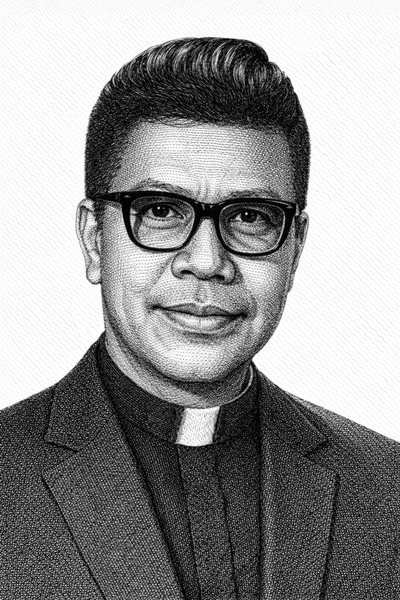
Fr. Francisco G. Reyes, OFM
Fr. Francisco “Frank” G. Reyes, a Filipino Franciscan priest, served as Manila Rotary’s fifty-eighth president. His term renovated Boys Town cottages, supported rehabilitation centers and displaced Manobo communities, and provided 403 pairs of eyeglasses to disadvantaged children. He also hosted District 382’s first conference and raised a then-record ₱241,242 for service projects, combining community welfare with youth leadership development.
Source: Presidential profiles, Rotary Club of Manila (2026)
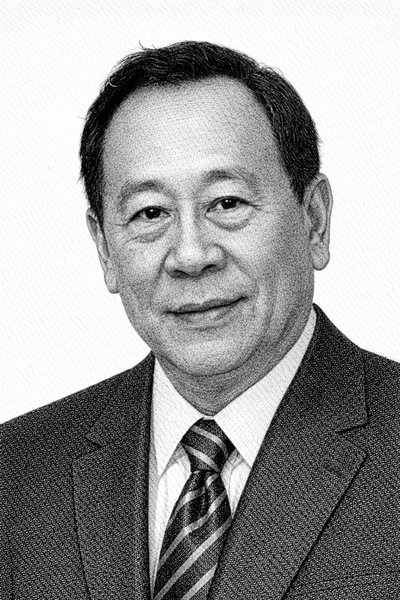
Alberto G. Romulo
Alberto “Bert” G. Romulo, an accountant and lawyer who later became senator and foreign affairs secretary, served as Manila Rotary’s fifty-ninth president. He marked its sixtieth anniversary with a joint district conference and the Diamond Book. His term established the RCManila Foundation, completed Malate’s Tulungan Center, and supported medical missions, market cleanliness, employment training, and relief for fire victims.
Source: Presidential profiles, Rotary Club of Manila (2026) · Balita: STEWARD OF CONTINUITY | Alberto Gatmaitan Romulo and the Discipline of Public Service
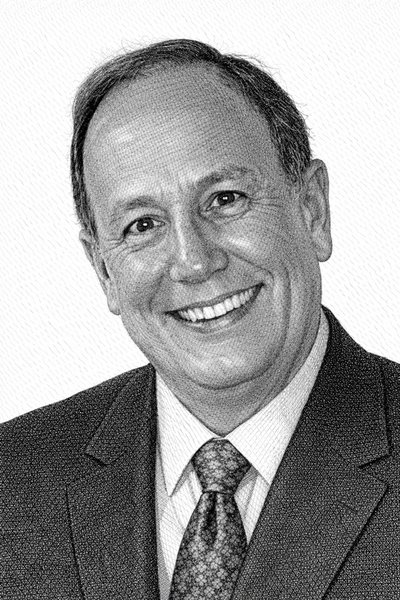
Francisco M. Ortigas III
Francisco “Paqui” M. Ortigas III, a Filipino businessman who later served as ambassador to Mexico, led Manila Rotary as its sixtieth president. His term expanded membership beyond 400 and supported medical and surgical missions across Luzon and the Visayas, including Bohol. The club also partnered with the Bureau of Posts on stamps commemorating Rotary’s seventy-fifth anniversary and welcomed eight new Paul Harris Fellows.
Source: Presidential profiles, Rotary Club of Manila (2026)
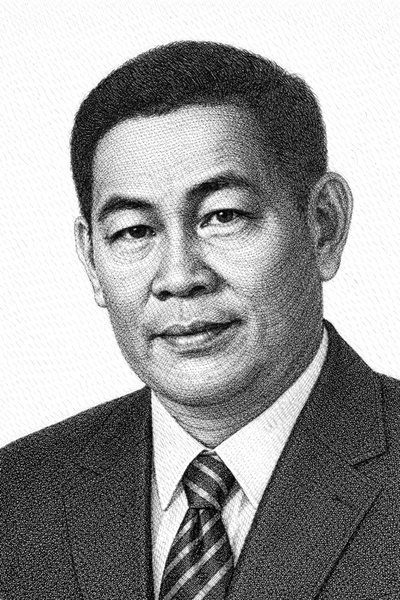
Marcelo S. Balatbat
Marcelo “Liloy” S. Balatbat, a businessman and former Secretary of Commerce and Industry, served as Manila Rotary’s sixty-first president. His term provided typhoon relief in Cagayan and Isabela, funded lighting around the GOMBURZA monument, and supported early cancer detection for women. He also promoted road safety, sponsored a mini-marathon for newsboys, and organized the Rotary Club of Intramuros.
Source: Presidential profiles, Rotary Club of Manila (2026) · Balita: RCManila Foundation, Inc.: A Legacy of Service and Impact
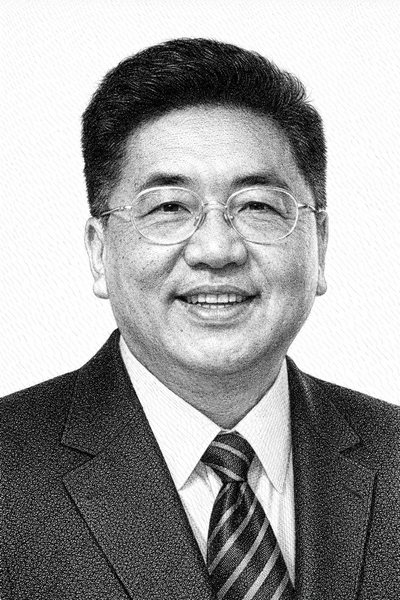
Reynaldo A. Concepcion
Reynaldo “Rene” A. Concepcion, a Filipino industrialist and corporate executive, served as Manila Rotary’s sixty-second president. His term brought membership to 403 and provided medical assistance to 1,869 disadvantaged patients. The club also planted 600 mahogany trees in Tondo, published an illustrated safe-driving manual, supported charitable institutions, and honored twelve outstanding workers through the TOWER Awards.
Source: Presidential profiles, Rotary Club of Manila (2026)
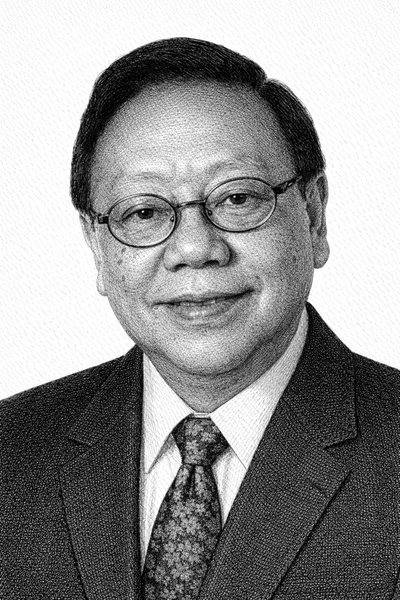
Vicente J. Carlos
Vicente “Vince” J. Carlos, a lawyer who later became Philippine Tourism Secretary, served as Manila Rotary’s sixty-third president. His term rehabilitated fifty communal toilets at the National Penitentiary, earning Rotary recognition, and raised ₱135,200 for medical missions. He also renovated Rotary Circle, organized the Rotary Club of Manila San Miguel and PLM’s Rotaract Club, and strengthened international sister-club ties.
Source: Presidential profiles, Rotary Club of Manila (2026)
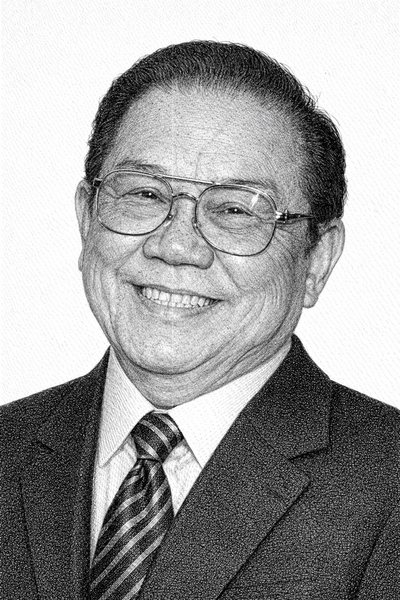
Aurelio H. Reyes Jr.
Aurelio “Relly” H. Reyes, Jr. a businessman and Philippine Racing Club director, served as Manila Rotary’s sixty-fourth president. He established a supply bank for medical missions, launched a blindness-prevention campaign, and published a history of the TOWER Awards. His term also sponsored Newsboy Sports Day, forged sister-club ties with Bangkok, and increased membership by 44, or twelve percent.
Source: Presidential profiles, Rotary Club of Manila (2026)
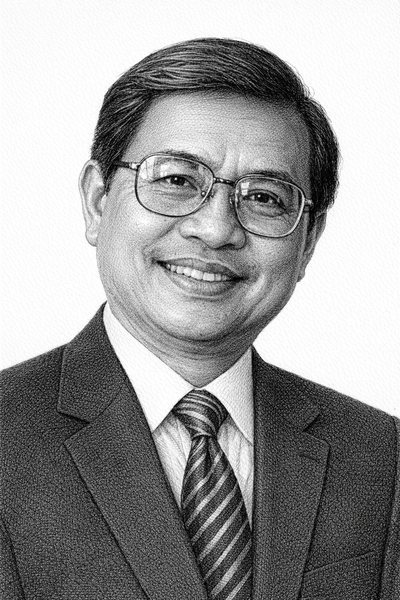
Santiago F. Dumlao Jr.
Santiago “Santi” F. Dumlao Jr., a corporate lawyer and financial executive who later headed FINEX, served as Manila Rotary’s sixty-fifth president. He hosted Rotary’s Asia Regional Conference, attended by Mother Teresa, and launched the club’s first National Issues Forum and teacher development training for 104 public-school beneficiaries. His term returned meetings to Manila Hotel and added 55 members and fifteen Paul Harris Fellows.
Source: Presidential profiles, Rotary Club of Manila (2026) · Balita: A Heart for Healing, A Life of Service · Balita: RCManila Foundation, Inc.: A Legacy of Service and Impact
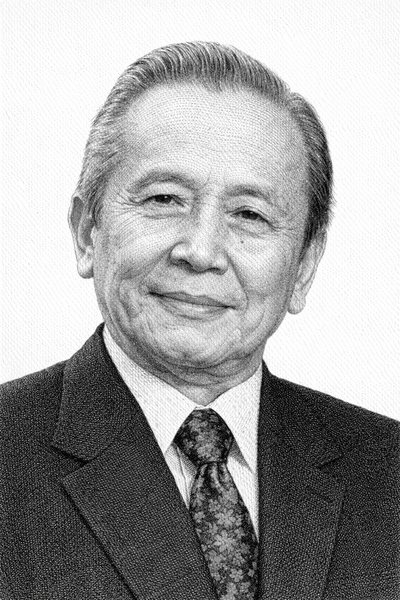
Romulo M. Del Rosario
Romulo “Romy” M. del Rosario, a civil engineer who later served as DPWH Undersecretary, led Manila Rotary as its sixty-sixth president. He revived the Journalism Awards, supported victims of election and People Power violence, and helped rehabilitate Radio Veritas’s transmitter. His term also improved the Rotary Center in Paco, supported livelihood projects, and raised ₱200,000 for the Foundation for the Rehabilitation of Street Children.
Source: Presidential profiles, Rotary Club of Manila (2026)
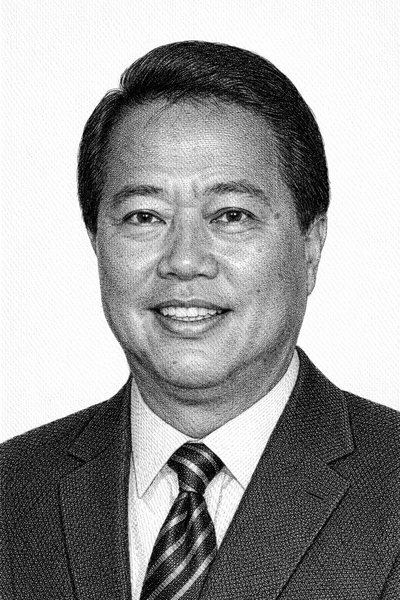
Edgardo P. Reyes
Edgardo “Ed” P. Reyes, a corporate executive and real estate developer associated with Gonzalo Puyat & Sons, served as Manila Rotary’s sixty-seventh president. He launched “Sagip Kabataan” and shifted scholarships toward vocational training, benefiting 300 Tondo youths in its first year. His term also supported medical missions for police and military personnel, established international sister-club ties, and added 44 members and twelve Paul Harris Fellows.
Source: Presidential profiles, Rotary Club of Manila (2026)
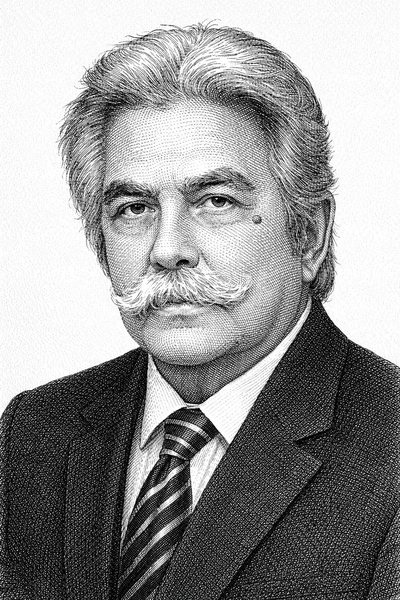
Jose Antonio Santos
Dr. Jose “Joe” Antonio Santos, a general surgeon and UST medical professor, served as Manila Rotary’s sixty-eighth president. He organized medical missions serving 2,156 disadvantaged patients, facilitated eye care for 7,917 people, and supported childhood vaccination. His term also raised ₱650,000 for vocational scholarships, promoted teacher training, established a youth exchange with Nagasaki, and hosted the 1988 District Conference.
Source: Presidential profiles, Rotary Club of Manila (2026)
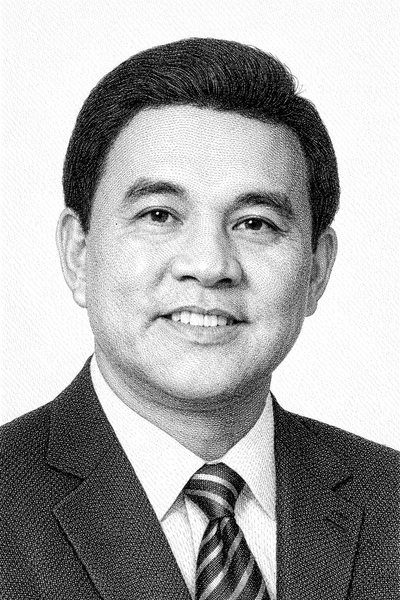
Arsenio M. Bartolome III
Arsenio “Archit” M. Bartolome III, a banker and corporate executive, served as Manila Rotary’s sixty-ninth president. He inaugurated the Sagip Kabataan Center and opened an eye operating room at the Rotary Center in Paco. His term also strengthened sister-club ties with Seoul, supported youth competitions and Scouting, and welcomed 45 members and eleven new Paul Harris Fellows.
Source: Presidential profiles, Rotary Club of Manila (2026) · Balita: From Tondo to the Top: The Integrity, Resilience, and Vision of Arsenio Mabalay Bartolome III
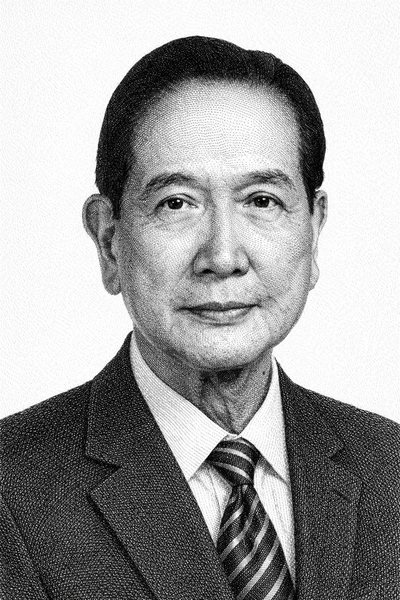
Ricardo R. dela Cruz
Ricardo “R.R.” R. de la Cruz, a public relations pioneer and former student leader, served as Manila Rotary’s seventieth president. His term delivered five medical missions benefiting approximately 4,570 disadvantaged patients and launched “Operation: Light a Candle,” providing eye care to 1,000 people. He also introduced a community medical fund, supported typhoon relief, and organized Christmas assistance for 550 families in Paco.
Source: Presidential profiles, Rotary Club of Manila (2026)
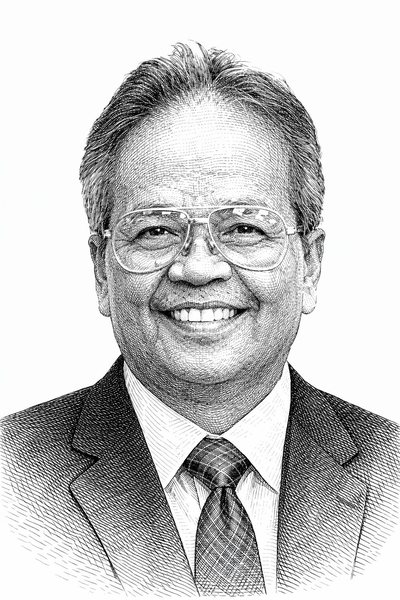
Artemio V. Panganiban
Artemio “Art” V. Panganiban, a lawyer who later became the Philippines’ twenty-first Chief Justice, served as Manila Rotary’s seventy-first president. He raised ₱22 million for 182 projects addressing hunger, health, environmental conservation, and literacy. His term mobilized earthquake, typhoon, and Pinatubo relief, established Baguio’s Tent City, and hosted 2,695 district conference delegates, earning the club a Most Outstanding Club citation.
Source: Presidential profiles, Rotary Club of Manila (2026) · Balita: LIBERTY AND PROSPERITY | The Making of Chief Justice Artemio Villaseñor Panganiban Jr.
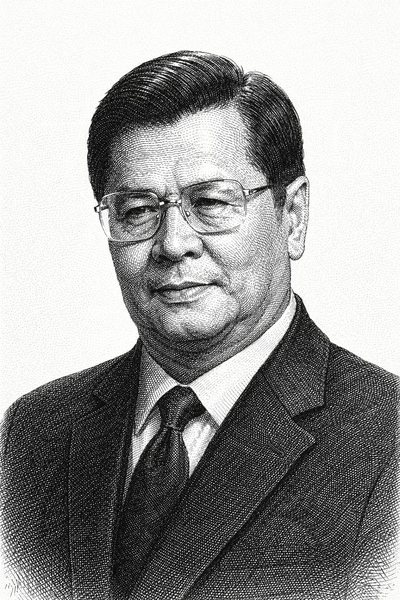
Francisco S. Roman
Francisco “Frankie” S. Roman, a lawyer, businessman, and international Scouting leader, served as Manila Rotary’s seventy-second president. He launched the Mt. Pinatubo Rehabilitation Project, helping farmers cultivate rice in lahar-covered fields and earning Rotary International recognition. His term also established the RCM Eye Bank Foundation for research and corneal transplants, sponsored the Rotary Club of Tondo and eight Interact clubs, and created a justice committee.
Source: Presidential profiles, Rotary Club of Manila (2026)
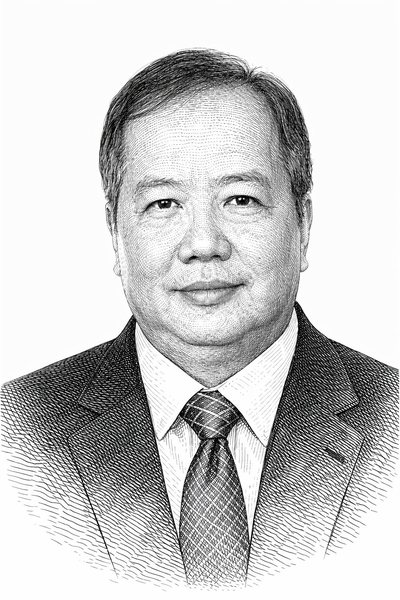
Crispino P. Reyes
Crispino “Babes” P. Reyes, a lawyer, educator, and president of Central Colleges of the Philippines, served as Manila Rotary’s seventy-third president. His term sent relief missions to Bataan and Southern Leyte, facilitated an ambulance donation to the Philippine Heart Center, and secured 38 motorcycles for the Newsboys Project. He also funded scholarships and vocational training, supported Manila beautification, and strengthened fellowship among past presidents.
Source: Presidential profiles, Rotary Club of Manila (2026)
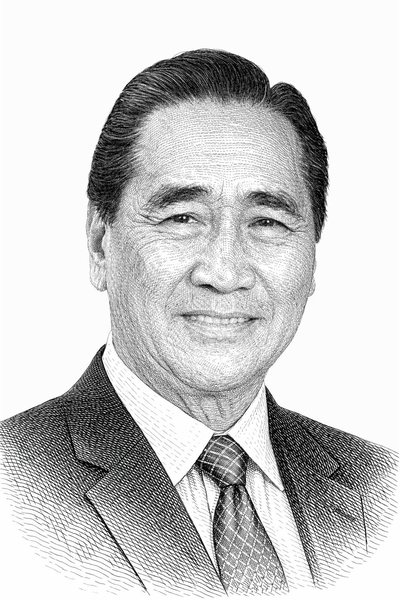
Leocadio M. de Asis
Leocadio “Edgie” de Asis, a lawyer, businessman, and wartime veteran, served as Manila Rotary’s seventy-fourth president. He marked its diamond anniversary by authoring Crusade of Service: 75 Years of Rotary Club of Manila. His term supported eye clinics serving 3,057 patients, immunization of 34,753 children and mothers, vocational scholarships for thirty youths, teacher leadership training, and tree planting in Mehan Garden.
Source: Presidential profiles, Rotary Club of Manila (2026)
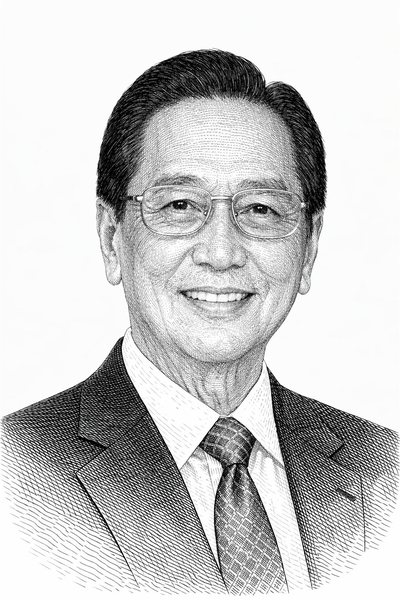
Juanito N. Ferrer
Juanito “Jannet” N. Ferrer, a civil engineer, military veteran, and former DPWH Secretary, served as Manila Rotary’s seventy-fifth president. His term expanded vision screening, inaugurated an eye operating room in Sampaloc, and launched the RCM Drug Abuse Prevention Foundation. He also supported thirty scholars, facilitated donations of firetrucks and an ambulance, and organized the Rotaract Club of Eastern Telecommunication.
Source: Presidential profiles, Rotary Club of Manila (2026)
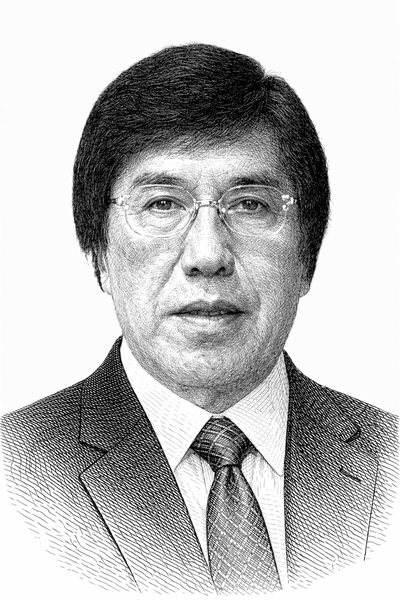
Aniceto G. Saludo Jr.
Aniceto “Dong” G. Saludo Jr., a lawyer, corporate executive, and legislator, served as Manila Rotary’s seventy-sixth president. He raised typhoon relief funds, inaugurated an eye operating room at Ospital ng Tondo, and supported cardiac care for disadvantaged patients. His term revived the TOWER Awards, increased membership by thirteen percent, and introduced 84 new Paul Harris Fellows, earning Rotary International recognition.
Source: Presidential profiles, Rotary Club of Manila (2026)
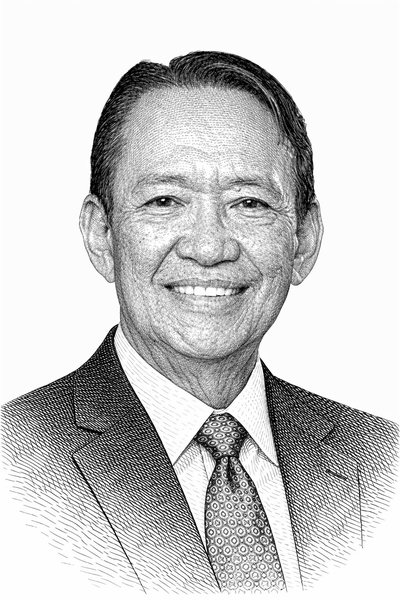
Domingo S. Guevara Jr.
Domingo “Boy” S. Guevara Jr., a businessman and corporate executive associated with Guevent Investments, served as Manila Rotary’s seventy-seventh president. He initiated the first Urban Peace Forum, supported youth vocational training through “Train Now, Pay Later,” and facilitated firetruck and ambulance donations from Japan. His term also strengthened international sister-club ties, supported Pasig River rehabilitation fundraising, and introduced the RCM Presidential Golf Cup.
Source: Presidential profiles, Rotary Club of Manila (2026) · Balita: Baptized by Steel, Guided by Faith: The Life Journey of Domingo San Buenaventura Guevara Jr.
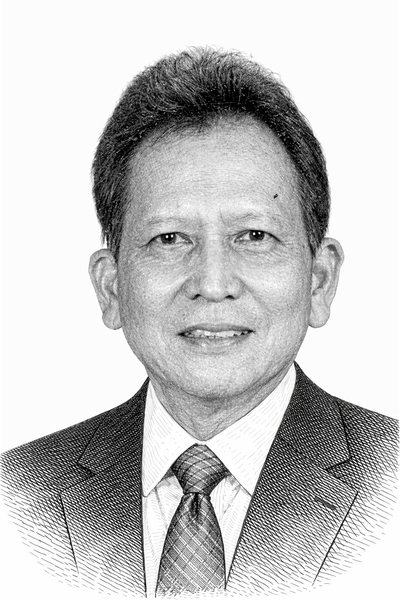
Nestor M. Sevilla
Nestor “Netoy” M. Sevilla, a lawyer and businessman in customs brokerage, served as Manila Rotary’s seventy-eighth president. He led Philippine centennial celebrations and gathered seven presidential aspirants at a club meeting. His term also supported a four-day medical mission to Camiguin, distributed anti-drug comic books nationwide, updated the club’s Speakers Bureau, and welcomed twenty-nine new Paul Harris Fellows.
Source: Presidential profiles, Rotary Club of Manila (2026)
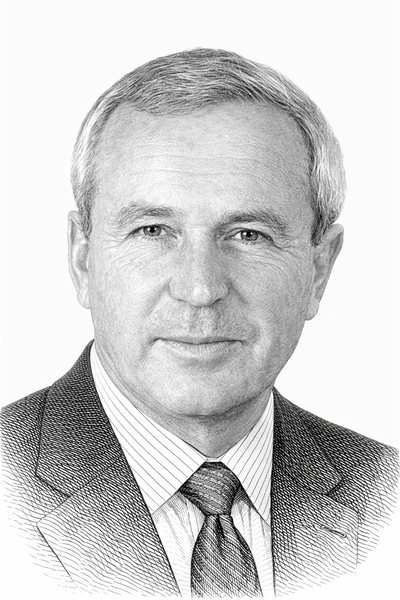
Peter H. Wohlrab
Peter H. Wohlrab, a German business executive with an international industrial career, served as Manila Rotary’s seventy-ninth president. His term inaugurated the “Pagkalinga sa Mata” Eye Center and provided free eye care to 1,494 disadvantaged patients. He also hosted the District Family Olympics, supported management training for educators and leadership development for youths, and introduced electronic membership cards for attendance tracking.
Source: Presidential profiles, Rotary Club of Manila (2026)
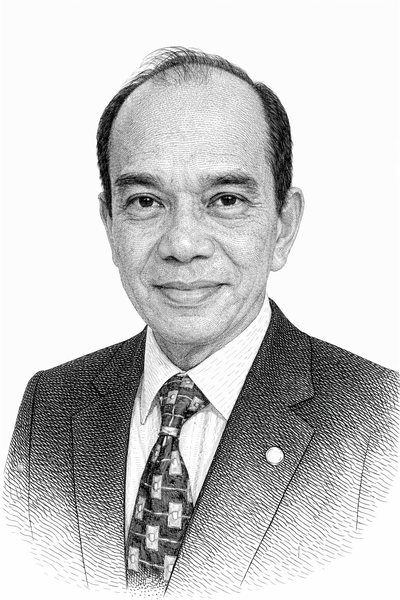
Fortunato I. Gupit Jr.
Fortunato “Tito” I. Gupit Jr., a legal scholar, author, and educator, served as Manila Rotary’s eightieth president. He launched the “Clean River Zone” project with a US$40,000 Unilever grant and an internationally supported anti-poverty initiative. His term also promoted tree planting, environmental scholarships, healthcare and legal partnerships, and welcomed thirty-five new Paul Harris Fellows.
Source: Presidential profiles, Rotary Club of Manila (2026)
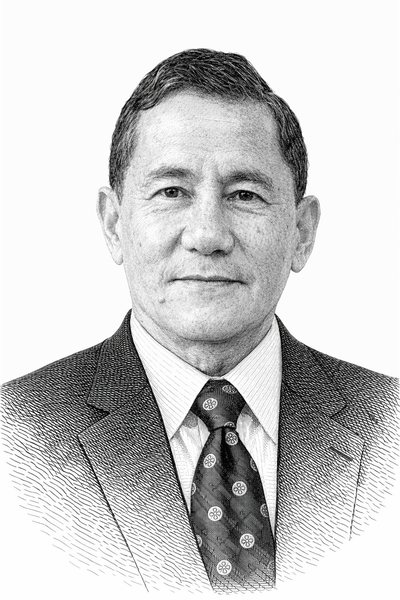
Sebastian B. Arrastia
Sebastian “Buster” B. Arrastia, a civic leader active in environmental and educational service, served as Manila Rotary’s eighty-first president. His term promoted waste management and San Juan River cleanups, organized a job fair, and supported teacher training. The club also provided eye care to 158 patients in Negros Oriental, funded vocational scholarships for 100 beneficiaries, and welcomed seventeen Paul Harris Fellows.
Source: Presidential profiles, Rotary Club of Manila (2026)
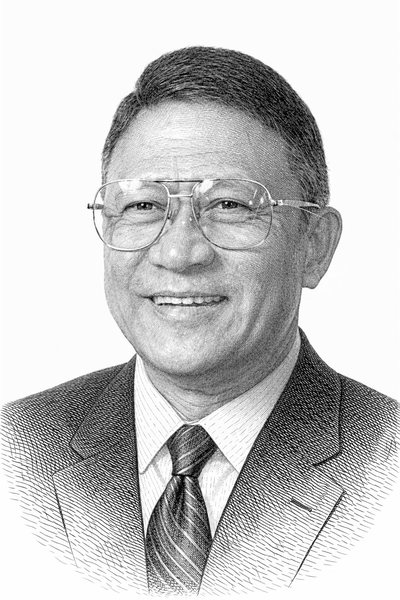
Edgardo E. Tumangan
Edgardo “Ed” E. Tumangan, a lawyer and business executive, served as Manila Rotary’s eighty-second president. He adopted a youth entrepreneurship program with the International Labor Organization and supported a job fair that secured 121 immediate hires. His term also provided medical care to 2,255 patients and eye services to 3,496 people, inaugurated a hearing center, and introduced the Gawad Agham journalism award.
Source: Presidential profiles, Rotary Club of Manila (2026)
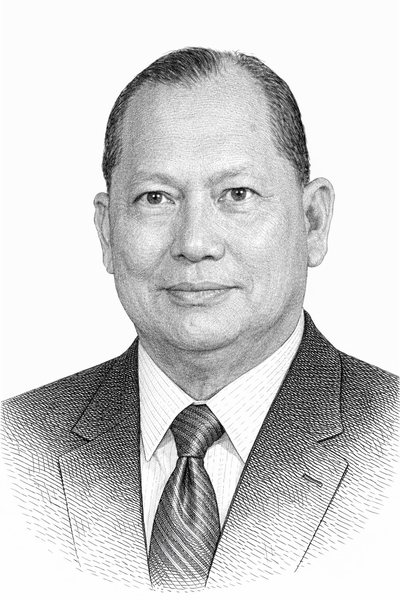
Oscar M. de Baybay
Oscar “OB” M. de Baybay, a civic leader involved in healthcare and youth development, served as Manila Rotary’s eighty-third president. His term organized eighteen medical missions benefiting over 3,200 patients, secured an ultrasound donation commitment for Sorsogon Provincial Hospital, and supported technician training. He also funded cataract surgeries, raised support for Sagip Kabataan and leukemia care, and launched the Philippine Youth Business Foundation.
Source: Presidential profiles, Rotary Club of Manila (2026)
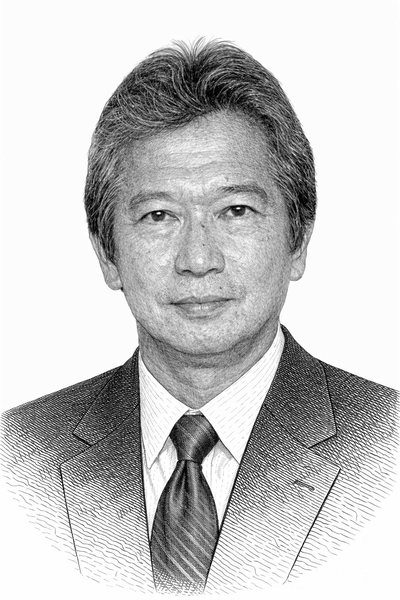
Renato A. Ampil
Renato “Boy” A. Ampil, a customs broker and former Customs Commissioner, served as Manila Rotary’s eighty-fourth president. He launched the US$600,000 Gift of Life program for hospital equipment and technician training in Sorsogon. His term also delivered medical missions, supported a child’s heart surgery, funded Sagip Kabataan, and partnered on an occupational and speech therapy clinic, closing with a ₱2.2 million surplus.
Source: Presidential profiles, Rotary Club of Manila (2026)
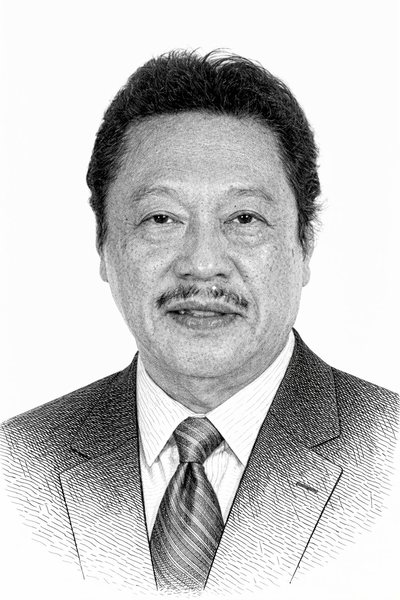
Alejandro L. Yap Jr.
Alejandro “Alex” L. Yap Jr., a civic leader active in Rotary service, served as Manila Rotary’s eighty-fifth president. His term delivered medical missions serving nearly 4,000 patients and committed ₱1 million toward a 100-unit Rotary Village in Taguig. He also partnered with Kowloon East on occupational therapy and community facilities, and launched the club’s annual Tourism Awards.
Source: Presidential profiles, Rotary Club of Manila (2026)
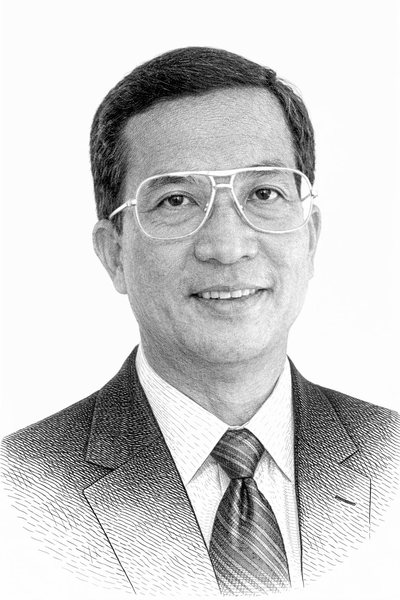
Cesar C. Ubaldo
Dr. Cesar C. Ubaldo, a physician and civic leader involved in healthcare outreach, served as Manila Rotary’s eighty-sixth president. He inaugurated Habitat for Humanity’s Rotary Village in Taguig, launched the Commitment to Justice Awards, and revived the TOWER Awards. His term also established sister-club ties with Tokyo Tama, supported medical information initiatives, and partnered with DepEd to honor public school principals.
Source: Presidential profiles, Rotary Club of Manila (2026)
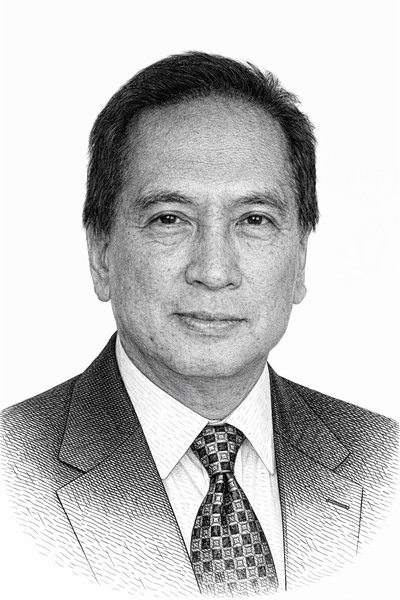
Francis E. Juico
Francis E. Juico, a civic leader active in community service, served as Manila Rotary’s eighty-seventh president. His term delivered medical missions to Rizal, Bulacan, and Palawan, supported livelihoods in Aurora, and completed training for 54 medical equipment technicians. He also established partnerships for school support and English proficiency, and completed the club’s Presidents Portraits Gallery, helping preserve its institutional history.
Source: Presidential profiles, Rotary Club of Manila (2026)
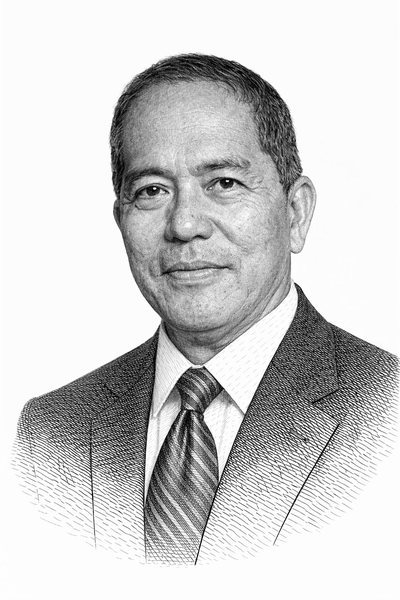
Bienvenido E. Laguesma
Bienvenido “Benny” E. Laguesma, a lawyer and veteran public servant who served as Labor Secretary, became Manila Rotary’s eighty-eighth president. His term supported 23 heart surgeries in Bohol, medical and sight conservation missions, and therapy services at Hospicio de San Jose. He also turned over Rotaryville homes to 96 families in Taguig, advanced youth leadership initiatives, and earned district recognition for outstanding club leadership.
Source: Presidential profiles, Rotary Club of Manila (2026)
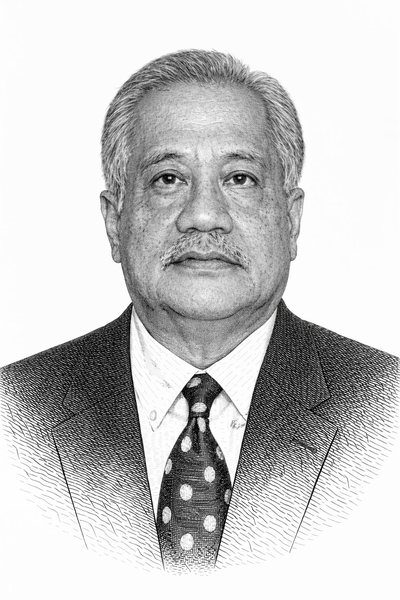
Romeo B. Batino
Romeo “Romy” B. Batino, a lawyer, labor law specialist, and educator, served as Manila Rotary’s eighty-ninth president. His term donated computers to two Tondo schools, conducted medical missions, and provided ₱100,000 for typhoon recovery in Iloilo. He also supported a proposed water storage project in China, strengthened ties with the Rotary Club of Guam, and secured a 25-year lease for the club’s Ermita office.
Source: Presidential profiles, Rotary Club of Manila (2026)
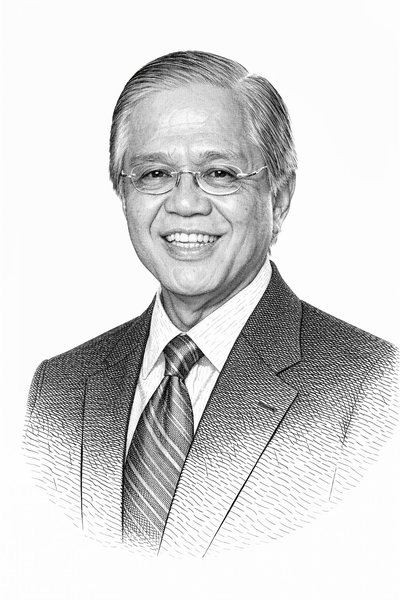
Benjamin S. Santos
Benjamin “Ben” S. Santos, a former Philippine Insurance Commissioner, served as Manila Rotary’s ninetieth president. His term supported cleft surgeries through Operation Restore Hope, livelihood workshops at Hospicio de San Jose, and medical equipment repairs at Jose Reyes Memorial Medical Center. The club also provided wells and water purifiers for resettled families, funded educational initiatives, and supported Typhoon Ondoy relief and Pasig River rehabilitation.
Source: Presidential profiles, Rotary Club of Manila (2026)
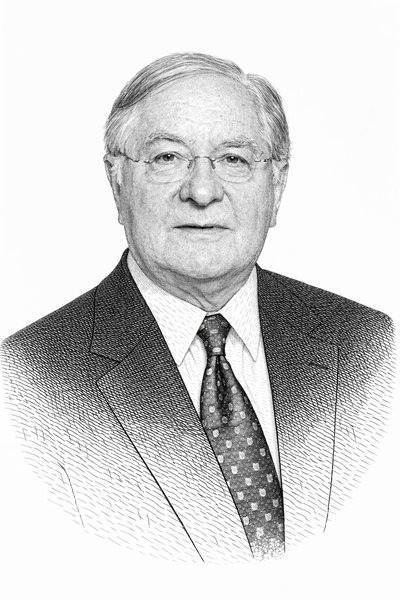
Gert A. Gust
Dr. Gert A. Gust, an international civil servant and labor specialist with the International Labor Organization, served as Manila Rotary’s ninety-first president. His term supported youth entrepreneurship training, raised ₱315,060 for school sanitation, and relaunched “Pagkalinga sa Mata” for free eye care. The club also supported sheltered workshops at Hospicio de San Jose and mobilized assistance for disaster victims in Pakistan and Japan.
Source: Presidential profiles, Rotary Club of Manila (2026)
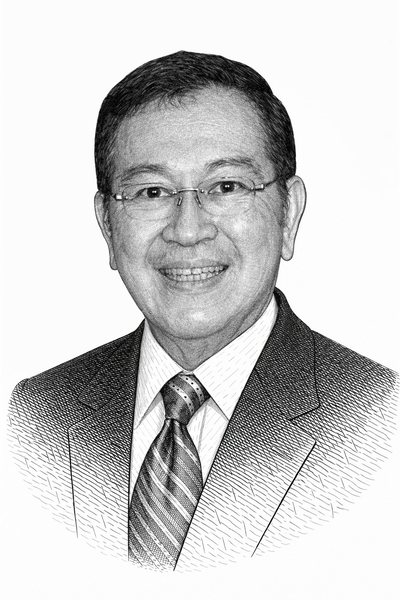
Urbano S. Caasi Jr.
Urbano “Banit” S. Caasi Jr., a Filipino architect and civic leader, served as Manila Rotary’s ninety-second president. He launched the Scientific Invention or Discovery Awards with DOST and the Intellectual Property Office. His term also supported medical missions treating 378 patients, renewed the Rotary Eye Center partnership, rehabilitated school restrooms, and provided assistance to newborns and Hospicio de San Jose.
Source: Presidential profiles, Rotary Club of Manila (2026)
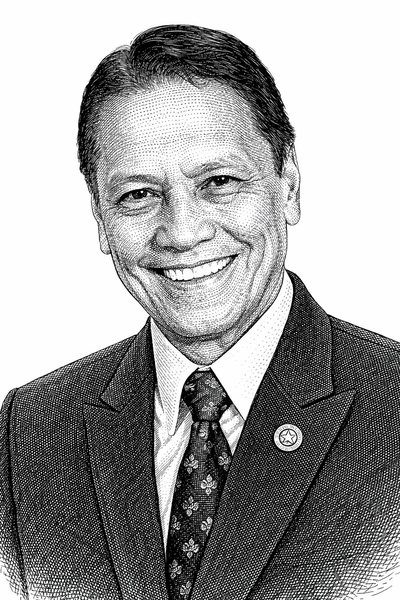
Roberto M. Pagdanganan
Roberto “Obet” M. Pagdanganan, a former Bulacan governor and Tourism Secretary, served as Manila Rotary’s ninety-third president. His term advanced scientific innovation awards, sponsored literacy education in Masbate, and supported flood relief benefiting 1,250 people in Bulacan. The club also conducted three medical missions, donated medical books, rehabilitated school restrooms, and welcomed thirteen Paul Harris Fellows.
Source: Presidential profiles, Rotary Club of Manila (2026) · Balita: The Cooperative Dreamer: Faith, Resilience, and the Enduring Light of Roberto Mamangon Pagdanganan
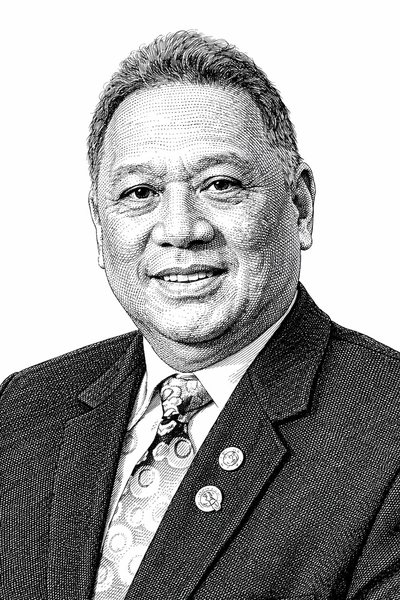
Rodolfo P. Bediones
Rodolfo “Rudy” P. Bediones, a civic leader involved in humanitarian and youth development initiatives, served as Manila Rotary’s ninety-fourth president. He rallied the club to raise ₱27 million for disaster relief, providing Ormoc with 100 motorized fishing boats and 1,000 solar lanterns. His term also delivered medical missions, facilitated an orphanage’s school vehicle donation, and welcomed thirty Paul Harris Fellows.
Source: Presidential profiles, Rotary Club of Manila (2026)
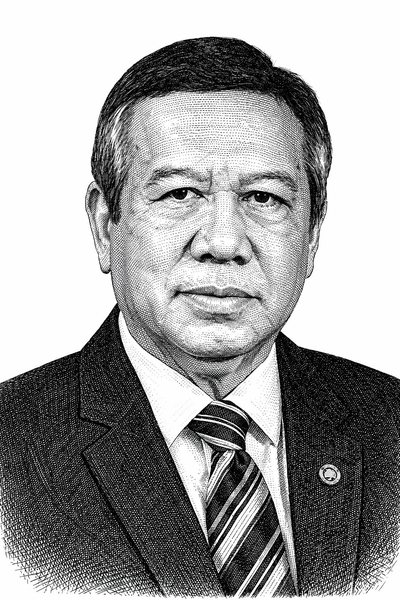
Franklin A. Evaristo
Franklin “Frank” A. Evaristo, a longtime Alay Lakad Foundation president and former Philippine Jaycees national president, served as Manila Rotary’s ninety-fifth president. His term committed ₱12 million to housing for Yolanda survivors, turning over the first thirty homes with partner organizations. The club also rehabilitated schools, distributed 600 solar lanterns, provided boats for schoolchildren’s transport, and delivered relief to typhoon-affected families.
Source: Presidential profiles, Rotary Club of Manila (2026)
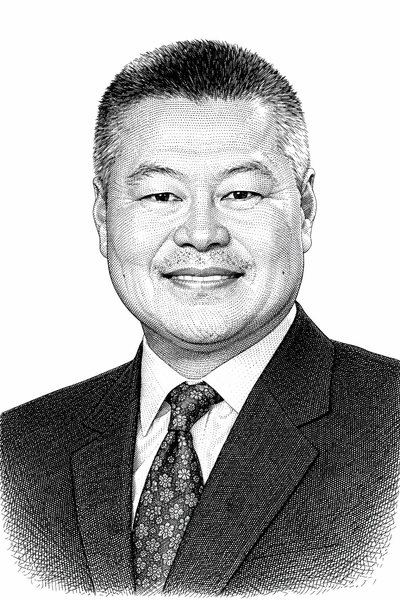
Eusebio V. Tan
Eusebio “Ebot” V. Tan, a corporate lawyer and former ACCRALAW managing partner, served as Manila Rotary’s ninety-sixth president. His term supported thirty homes for Yolanda survivors in Iloilo and a livelihood grocery in Cadiz City. He also funded a school library in Leyte, launched the RC Manila Eye Center, organized a breast cancer medical mission, and raised US$41,617 for The Rotary Foundation.
Source: Presidential profiles, Rotary Club of Manila (2026)
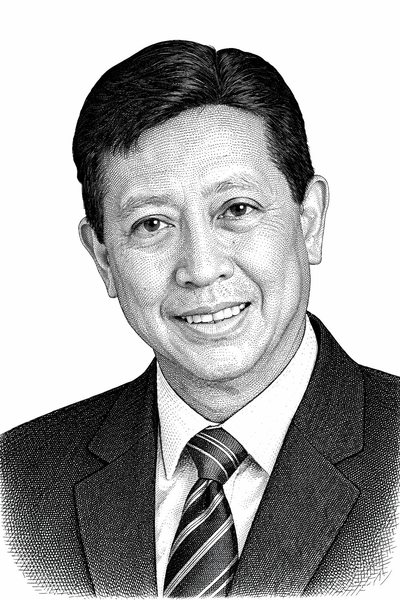
Teodoro J. Ocampo
Teodoro “Teddy” J. Ocampo, an educator and former National University president, served as Manila Rotary’s ninety-seventh president. He raised ₱3.9 million for a 26-house village in Nueva Ecija and supported building repairs and solar panels at Hospicio de San Jose. His term also secured free heart surgeries for two children, provided youth sports equipment, and organized the Rotaract Club of De La Salle-College of Saint Benilde.
Source: Presidential profiles, Rotary Club of Manila (2026)
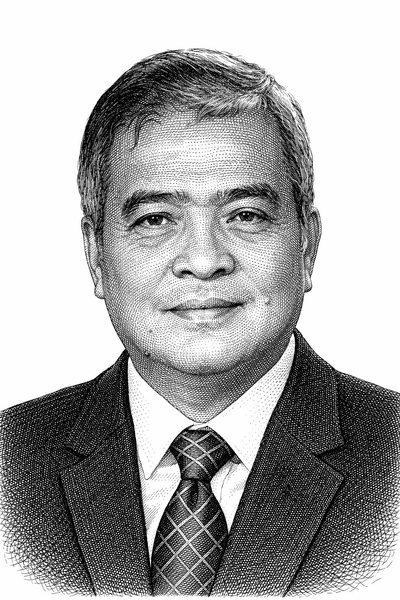
Jose Jaime C. Policarpio Jr.
Jose Jaime “Jimmie” C. Policarpio Jr., a lawyer and former Presidential Legislative Liaison Office secretary, served as Manila Rotary’s ninety-eighth president. He advanced centennial preparations, revitalized the club website, and launched support for soldiers and civilians affected by the Marawi conflict. His term also strengthened youth service, supported children’s healthcare and education, and earned him the district’s Overall Most Outstanding President award.
Source: Presidential profiles, Rotary Club of Manila (2026)
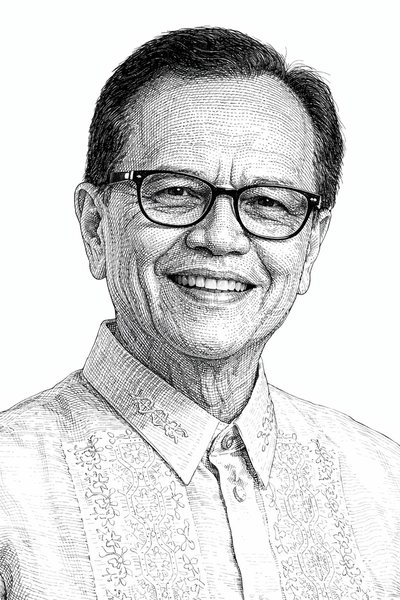
Jesus M. Pineda Jr.
Jesus “Susing” M. Pineda Jr., a banker and civic leader, served as Manila Rotary’s ninety-ninth and Centennial President. He led its hundredth-anniversary celebrations while advancing educational assistance for disadvantaged college students and community learning through “Sari-Saring Aralan.” His term also supported children’s heart care, shelter and livelihood initiatives, and Manila Bay rehabilitation, while commemorating the club’s legacy through stamps, a centennial book, and gala festivities.
Source: Presidential profiles, Rotary Club of Manila (2026) · Heritage Library: The Centennial, 2018–2019 · Balita: Messages for TOWER Awards 2025
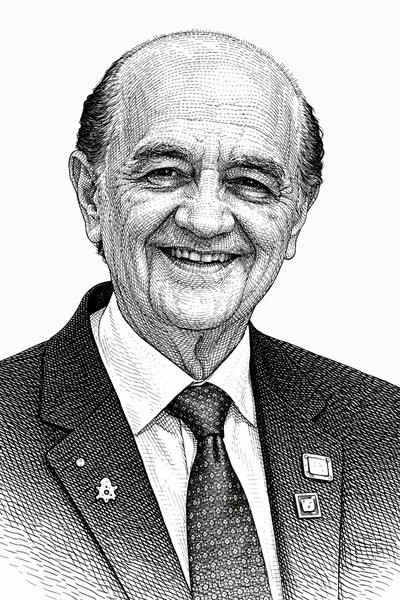
Joaquin C. Rodriguez
Joaquin “Jackie” C. Rodriguez, a businessman and philanthropist, served as Manila Rotary’s hundredth president. His presidential agenda emphasized environmental protection through the Rotary Environmental and Ecological Strategem (TREES), linking conservation with livelihoods and public education. He also proposed an Ambassador of Goodwill program to strengthen international club partnerships and a voluntary bequest program to sustain the club’s community service.
Source: Presidential profiles, Rotary Club of Manila (2026) · Balita: OXYGEN AND FIRE | Joaquin Capen Rodriguez’s Life of Ambition, Integrity, and Stewardship
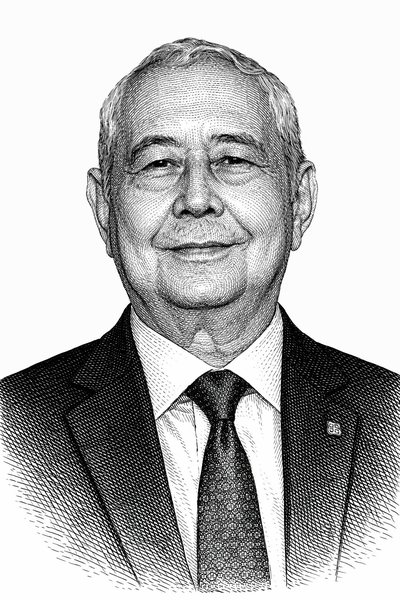
Robert L. Joseph Jr.
Robert “Bobby” Lim Joseph Jr., a tourism industry leader, businessman, and Latvia’s honorary consul general, served as Manila Rotary’s 101st president. Leading during the COVID-19 pandemic, he championed environmental rehabilitation through the “Save Manila Bay” initiative and strengthened cooperation with government partners. His leadership and the club’s service projects earned him the district’s Most Outstanding Club President recognition.
Source: Presidential profiles, Rotary Club of Manila (2026) · Balita: The Leon Lambert Legacy: Herminio Santos Esguerra's Quiet Power and Enduring Grace
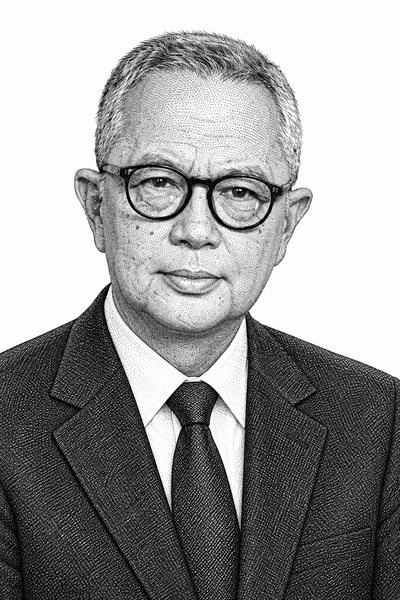
Felix Francisco S. Zaldarriaga
Felix Francisco “Chito” S. Zaldarriaga, a businessman and Philippine Ecozones Association leader, served as Manila Rotary’s 102nd president. His term emphasized education and service partnerships, including scholarship initiatives with the Dualtech Training Center Foundation. By supporting technical training and expanding access to vocational education, he helped connect disadvantaged young people with opportunities for employment and productive careers.
Source: Presidential profiles, Rotary Club of Manila (2026)
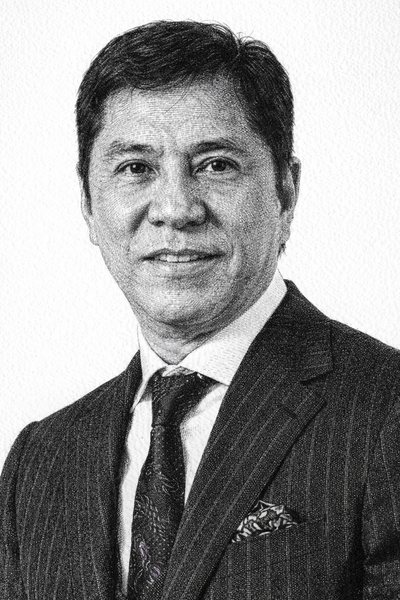
Herminio S. Esguerra
Herminio “Hermie” S. Esguerra, a businessman and founder of the Herma Group, served as Manila Rotary’s 103rd president. His term completed over 170 projects, including 395 floating trash barriers for the Pasig River and over sixty cleft surgeries with Operation Smile. He revived the club’s Rotary Youth Leadership Awards after 31 years, while the club earned 43 district awards and a Rotary International Platinum Citation.
Source: Presidential profiles, Rotary Club of Manila (2026) · Balita: The Leon Lambert Legacy: Herminio Santos Esguerra's Quiet Power and Enduring Grace
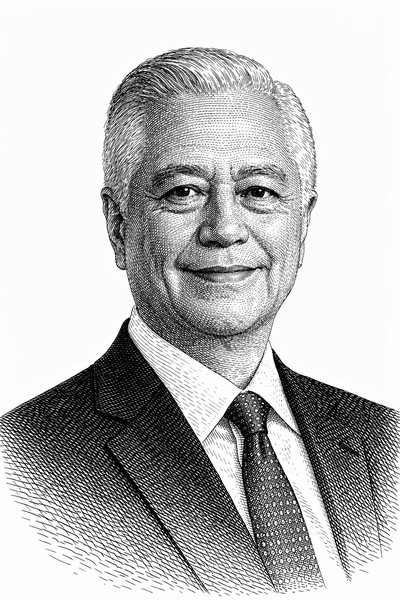
Rafael M. Alunan III
Rafael “Raffy” M. Alunan III, a businessman and former Tourism and Interior secretary, served as Manila Rotary’s 104th president. He led its 105th-anniversary celebrations and community support initiatives while advocating action against childhood malnutrition and stunting. His term also promoted environmental awareness through club assemblies and encouraged Rotary’s international leadership to advance peace and conflict resolution.
Source: Presidential profiles, Rotary Club of Manila (2026) · Balita: Country Above Self: The Officer and the Gentleman - The Life and Legacy of Rafael Moreno Alunan III
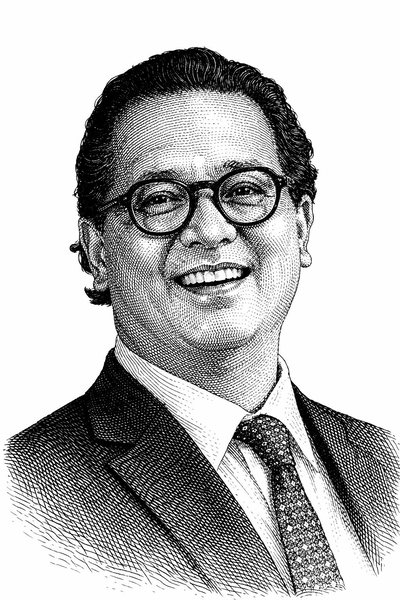
Eduardo V. Enriquez III
Eduardo “Jujut” V. Enriquez III, a veteran banking executive and advocate for small-business financial inclusion, served as Manila Rotary’s 105th president. His term prioritized environmental protection, marginalized communities, and health partnerships. He supported childhood malnutrition screening through Abbott, Pasig River initiatives, and international fellowship, while presiding over the 2025 Pro Patria Journalism Awards and promoting an inclusive, adaptable club.
Source: Presidential profiles, Rotary Club of Manila (2026) · Balita: A Gavel’s Last Echo
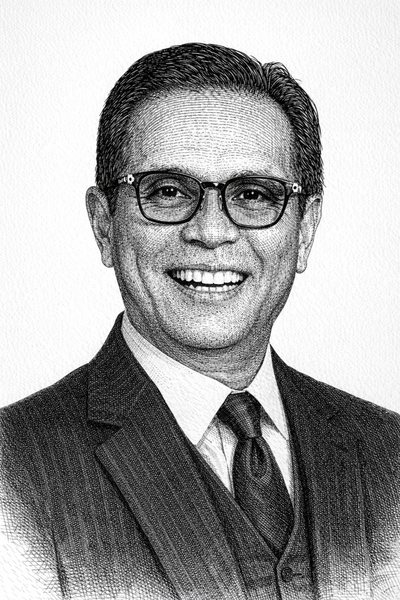
Raoul C. Creencia
Raoul C. Creencia, a lawyer, educator, and former Government Corporate Counsel, led Manila Rotary under “Our Destiny. Our Legacy. Rotary.” His term strengthened partnerships, including two sister-club agreements and collaboration with RC Kangjin-Tamjin on a global grant for neonatal care equipment at UP-PGH. Club initiatives also included a medical mission, gift-giving in Calumpit, and a Four-Way Test Marker at Hospicio de San Jose.
Source: Presidential profiles, Rotary Club of Manila (2026) · Balita: 36th Weekly Membership Meeting Editorial · Balita: Inaugural Address
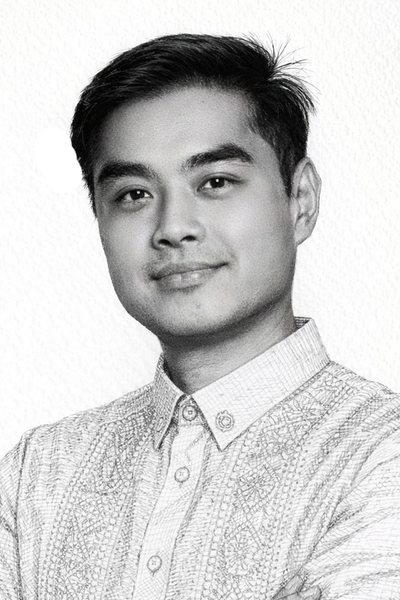
Reginald T. Yu
Reginald “Reggie” T. Yu, a business executive and industry association leader, serves as Manila Rotary’s 107th president under “T.U.R.N.: Toward a Unified Rotary Nation.” His term began with the club’s historic board oath-taking at the Rizal Monument. Initiatives include chartering its 26th daughter club, delivering Calumpit flood relief, convening a police performance symposium, assessing community needs in Mindoro and Lanao, planting trees with MWSS, and revitalizing participation in meetings and fellowships.
Source: Presidential profiles, Rotary Club of Manila (2026) · Balita: When History Calls: How the Rotary Club of Manila Reimagined a 107-Year Legacy · Balita: RCM Sponsors Its 26th Daughter Club