

A River Runs Through It: The Rotary Club of Manila’s Ocular Inspection of the Pasig River Trash Barriers
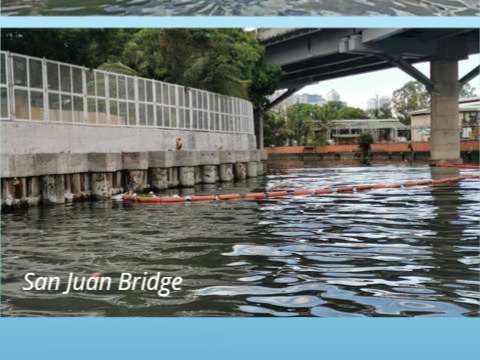
On May 26, 2025, fourteen RCM members inspected the floating trash barriers the Club donated to PRCMO-DENR in 2022.

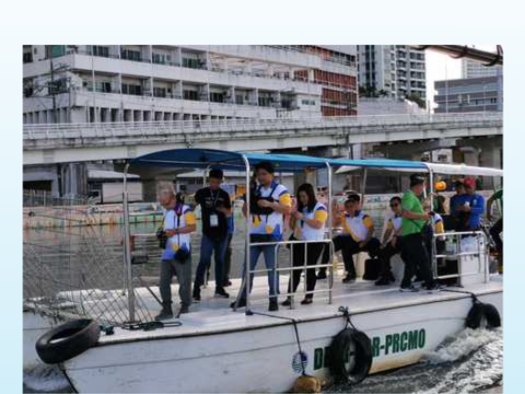
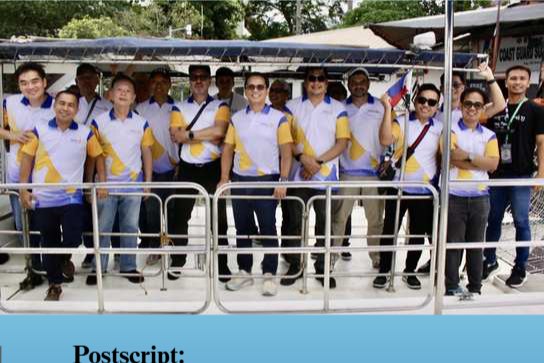
MANILA, May 26, 2025 – Beneath the gauzy veil of early morning haze, the ancient Pasig River stirred gently, whispering secrets between its sunlit ripples. At precisely 7:00 AM, fourteen members of the Rotary Club of Manila, clad in their iconic blue, yellow, and white shirts, gathered at the Lawton Ferry Station in Ermita — quietly determined, calmly resolute, and united by a cause far larger than themselves.
The gathering was more than symbolic. It was the living embodiment of a promise — a commitment etched into public record in 2022 when RCM donated floating trash barriers to the Pasig River Coordinating and Management Office (PRCMO) under the DENR. This morning marked a critical checkpoint: a periodic ocular inspection as stipulated in the Memorandum of Agreement. It was not just a tour. It was a renewal of vows made to the city’s ailing artery.

A Convergence of Purpose
The journey to this day had begun weeks earlier, through a quiet yet purposeful courtesy call made on May 14 to PRCMO’s newly appointed Regional Executive Director, Atty. Michael Rey Matias. Project Chair PP Hermie Esguerra, Director Albert Alday, and Club Secretary Aries Balanay, in the dignified and earnest way Rotarians often move, secured not only logistical cooperation but also reaffirmed RCM’s shared mission with the government: to transform the river into a cleaner, more sustainable resource for future generations.

A Morning Aboard Trash Boats
The inspection began at Lawton, with a pre-departure briefing conducted by Mr. William Gutoman, Cluster Coordinator, whose knowledge of the river’s current conditions helped frame the day’s objectives.

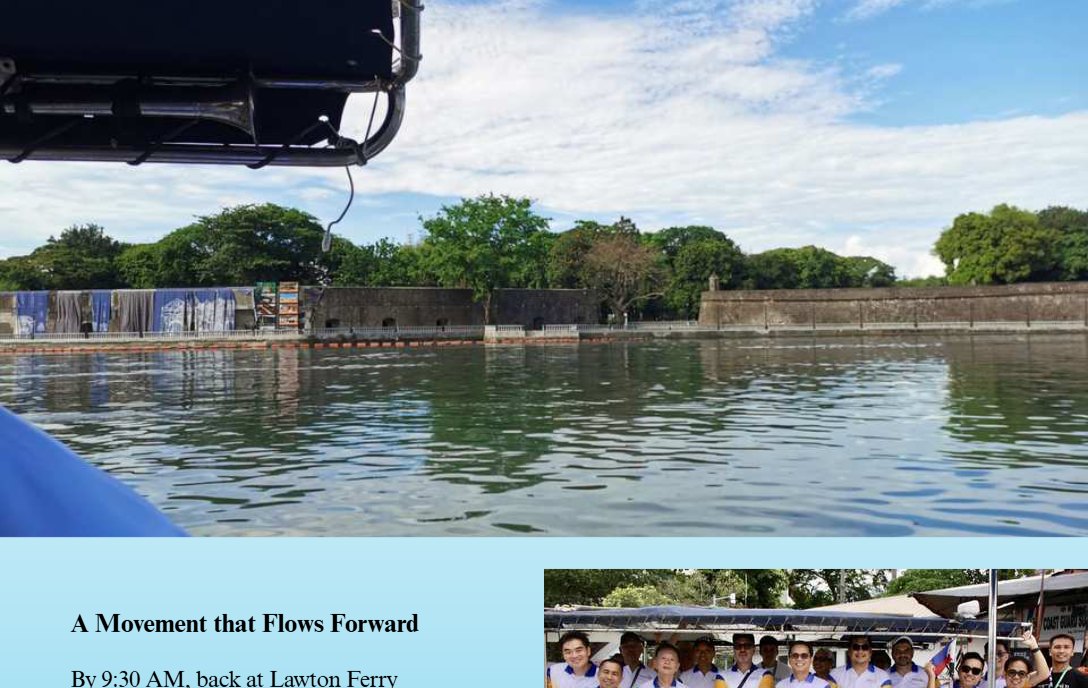
Then, aboard two PRCMO trash boats, each carrying no more than fifteen passengers, the convoy set off — down the waters once romanticized in poems, then derided in despair, and now slowly, gloriously, returning to life.
At 7:15 AM, the boats glided past Del Pan Bridge in Tondo, the gentle hum of the engines harmonizing with the sound of Manila slowly awakening. By 7:25, they approached the Pasig River Esplanade Phase 3 in Intramuros, where centuries of heritage stood watch over modern efforts of redemption. A pause at Binondo-Intramuros Bridge at 7:30 offered a glimpse into the delicate intersection of old Chinatown commerce and new civic willpower.

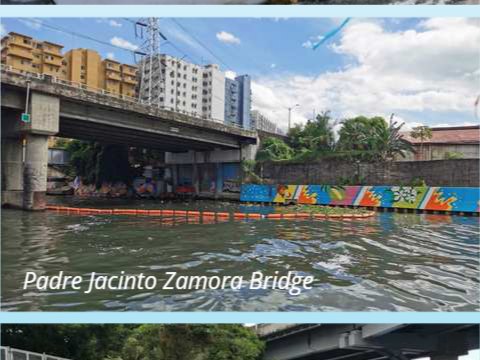
As the boats passed MacArthur Bridge and Padre Jacinto Zamora Bridge, one could sense the shifting narrative of this river — not merely a carrier of waste but now a vessel of hope.
By 8:30 AM, the confluence with the San Juan River in Sta. Ana shimmered under the late morning sun, a visual metaphor for the joining of efforts: government and civil society, local leadership and community volunteers.

The furthest point, Sevilla Bridge in Mandaluyong, was reached by 8:50 AM, tides permitting. There, the members saw firsthand the wear and resilience of the floating barriers. Some had clearly held strong, standing guard against the river’s endless flow of detritus; others bore the scars of storms, requiring reinforcement.
What Still Must Be Done

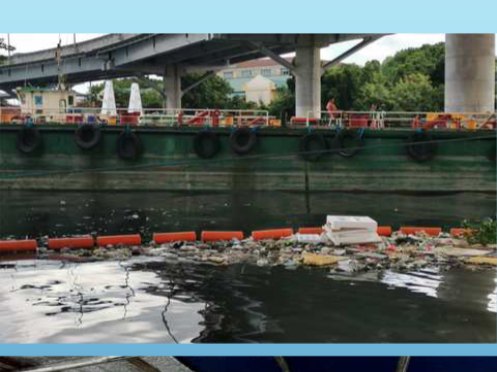
It was not all triumph. The barriers, while effective in many areas, were not impervious to time or tide. Maintenance, expansion, and more robust waste management strategies were urgently needed. The river still carried with it the collective neglect of decades past, and while the progress was undeniable, so too was the work that lay ahead.
By 9:10 AM, the boats began their return voyage, passing again the bridges and boulevards, this time with eyes sharper and hearts heavier. The river had spoken — not in words, but in the quiet language of accumulated plastics and broken bamboo, of murky patches and glimmering banks. And the Rotary Club of Manila listened.

A Movement that Flows Forward
By 9:30 AM, back at Lawton Ferry Station, the fourteen Rotarians disembarked not just from boats, but from a journey that reaffirmed their place in this long arc of environmental redemption. Their presence was not performative; it was participative, woven into the ongoing story of the Pasig.

In the grand theater of urban renewal, the Pasig River is both stage and actor, a lifeline in flux. And on this particular Monday morning, the Rotary Club of Manila did not merely inspect a project. They bore witness to a living legacy — and to the belief that healing, like a river, must flow steadily forward, one barrier at a time.
Postscript: In the coming weeks, the Rotary Club of Manila will submit its full report to PRCMO-DENR, including observations, recommendations, and proposals for strengthened collaboration. The work continues. As rivers flow, so too must the efforts of those who care.


 Editorial
 Candles in the Dark: A Chronicle of Leadership, Hope, and Enterprise
 An Afternoon of Diplomacy, Partnership, and Rotary Purpose: Joint Meeting of RC Manila, RC Makati, and RC Makati Premier District Welcomes U.S. Ambassador MaryKay Carlson