
86,400,000
The editor reflects on why every child's first 1,000 days are critical to lifelong health, development, and productivity.
Yes, that's a huge figure. No, it is in no way related to any ongoing constitutional processes, investigation by law enforcement authorities, infrastructure project, or restitution required of potential state witnesses. But let the number sink in; say it aloud and let each sibilant, fricative, and plosive glide from your mouth as you say: /ˈeɪti sɪks ˈmɪljən fɔːr ˈhʌndrəd ˈθaʊzənd/. Sounds consequential, right?
That number is very significant indeed as 86,400,000 seconds are equivalent to 1,440,000 minutes or 24,000 hours or 1,000 days. Every single second, from the moment of conception to the second birthday of every human person, impacts the rest of that person's life. The first two years of life leave a profound effect on children's future – on their brain development, their health, their happiness, their ability to learn in school, their well-being and even the amount of money they can earn as adults. A child's first 1,000 days lay the foundation for healthy growth and development and basically determine the development of their body, brain, metabolism, and immune system.
Research showed that children's brains can create a million new neural connections every single second throughout this formative stage, a pace never repeated again.
According to research, a child's development and future potential as a human being rest on the three pillars of healthy eating; consistent, responsive interactions with caregivers; and a nurturing and caring environment. The physical, social, emotional, and cognitive development of a young person can suffer when one or more of these supports are lacking, which can lead to the loss of possibilities that are every child's birthright.
Of these three, proper nutrition is the more urgent, as a woman's physical condition, even prior to conception, impacts her health and that of her child from the first of these 86,400,000 seconds. What she eats impacts her health, the quality of breast milk she will produce, and the initial stages of development of the fetus in her womb. Good nutrition during pregnancy and early childhood plays a foundational role in enabling a child to grow, learn, and thrive. It can be said, therefore, that proper nutrition provides the fuel that drives a child's early development.
As the brain grows more quickly during this period than at any other time in a person's life, consistency is key: children need the right nutrients at the right time to feed their brain's rapid development.

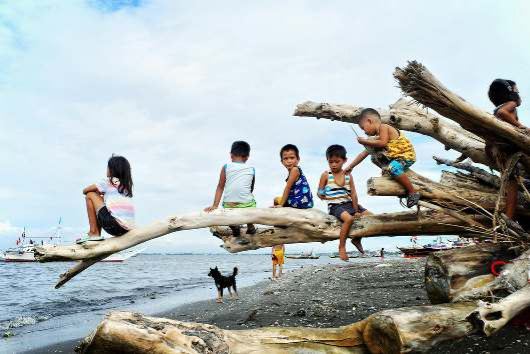
In these first 1,000 days, the child moves through the stages of pregnancy, infancy and toddlerhood. At any of these stages during this window, the child's developing brain is vulnerable to poor nutrition, either through the lack or paucity of key nutrients the brain requires or through a chronic and prolonged exposure to hunger caused by food insecurity. Think of a nursing mother whose staple diet during pregnancy and post-partum is instant noodles and rice, or a toddler sleeping hungry because the family had very little food to go around and you see a snapshot of this vulnerability.
Undernutrition during the first 1,000 days is associated with stunting, defined by the World Health Organization (WHO) as having more than two standard deviations below the median "height-for-age". While "nature", or genetics, plays a huge role in a person's height, "nurture", or nutrition and environment, can play the decisive role. Stunting or impaired growth leads to adverse functional consequences on the child including poor cognition and educational performance, low adult wages, lost productivity and, when accompanied by excessive weight gain later in childhood, an increased risk of nutrition-related chronic diseases in adult life.
Each one of these 86,400,000 seconds counts because any deficit at this stage is largely irreversible. A child cannot recover height in the same way that they can regain weight; the pace of the brain's cognitive and neural development slows. The child will be affected by any deficiencies for the rest of his or her life and it cannot be undone when the youngster is older.
The UNICEF recognizes that early childhood offers a critical window of opportunity to shape the trajectory of children's holistic development and build a foundation for their future. Nourishing their developing brains and fueling their growing bodies is tantamount to ensuring the achievement of their full potential. Aside from proper nutrition, they also need health care, protection from harm, a sense of security, opportunities for early learning, and responsive caregiving – like talking, singing and playing – with parents and caregivers in a loving environment.
Ensuring the proper development of a child in the first 1,000 days helps ensure that person's well-being in adulthood, which in turn ensures a healthy and productive citizenry. This is why many countries are heavily invested in providing support to expectant families and those with young children by continually innovating and retooling their existing programs. A review commissioned by the British government in 2021 surveyed what other countries had been doing around that time, to wit: France has a long-established system of multidisciplinary care for mothers and young children in over 5,000 community centers that offer free services to all, with as little bureaucracy as possible. Ireland is digitizing maternal health records as part of a larger 'e-health' strategy that has improved patient outcomes. In the Netherlands, midwives deliver primary care for most low-risk pregnancies in a system that prioritizes continuity of care. New Zealand's 'Sure Start' program integrates information and services for pregnancy and infant care from various platforms into a single website. The USA has established Children's Cabinets and Early Childhood Councils to coordinate services and develop common outcomes. 'Chile Crece Contigo' is a national start for life programme in Chile which has achieved significant reductions in the proportion of two year old children with developmental delay.
Our Guest of Honor and Speaker, a former Senator of the Republic, former Supreme Knight of the Knights of Rizal, and a District Governor Nominee in the world of Rotary, is uniquely positioned to tell the Rotary Club of Manila what the Philippine government is doing and what else needs to be done. More importantly, he will tell us how the entire country can come together to champion proper nutrition and care and combat stunting. Let's give him the best part of 7,200 seconds of this day.

 Joey Lina: A Lifetime of Service Above Self
 Hope in Action: Chel Diokno Inspires Rotary Club of Manila to Lead Through Service and Nation-Building
 Second Regular Board Meeting