

Art, Imagination and the Soul of a Nation
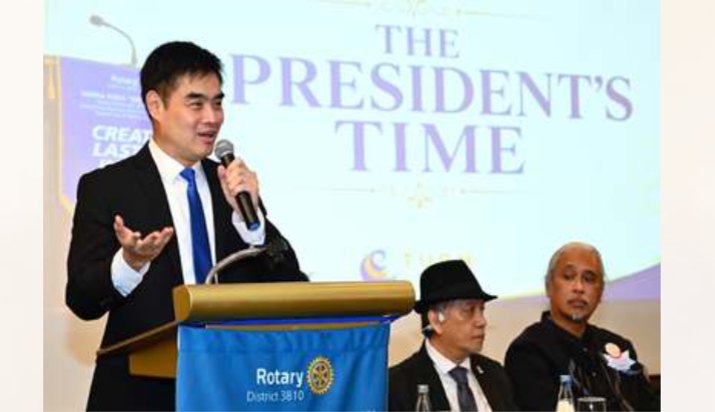
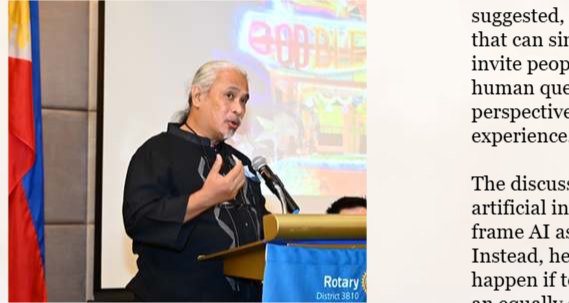
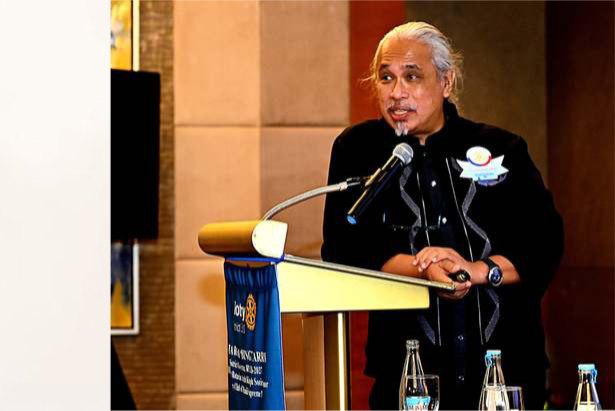
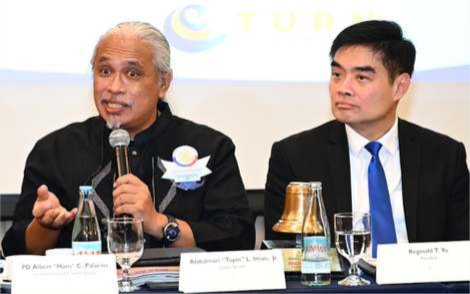
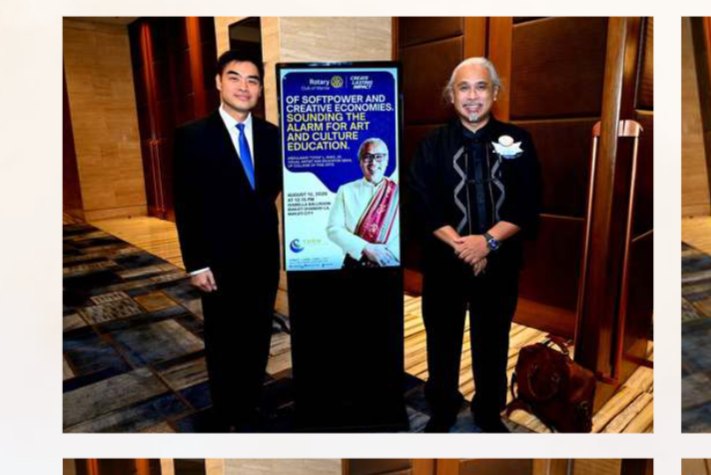
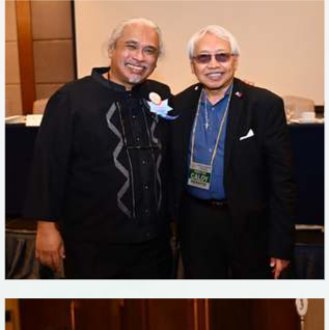
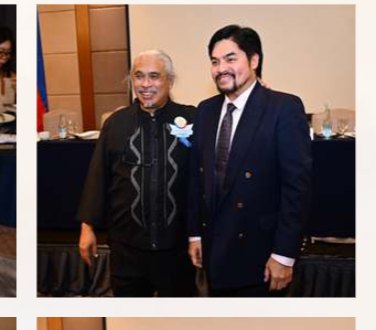
UP College of Fine Arts Dean Abdulmari "Toym" Imao Jr. spoke on art, culture, creativity and education at RCM's 6th Weekly Membership Meeting.

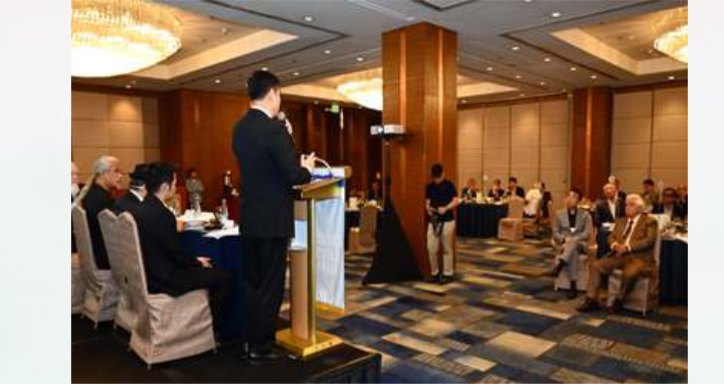
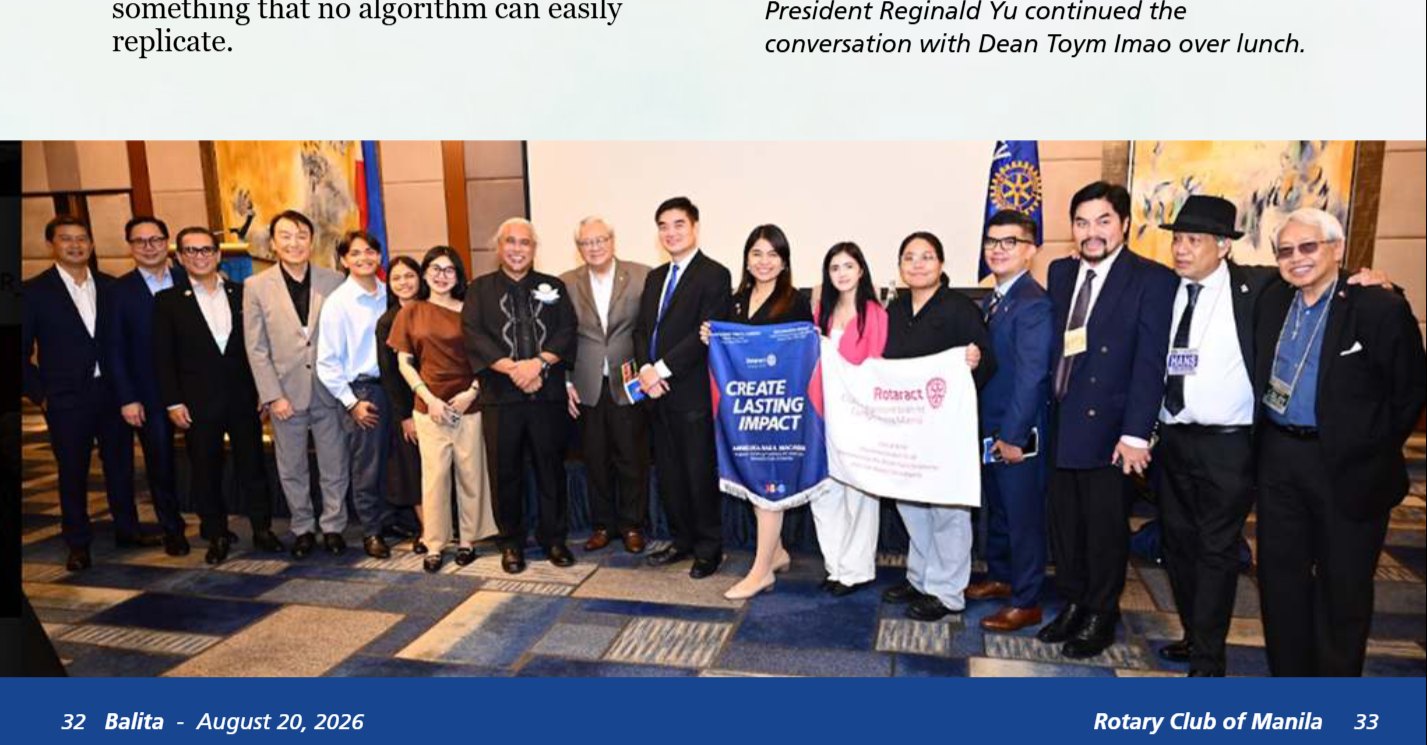
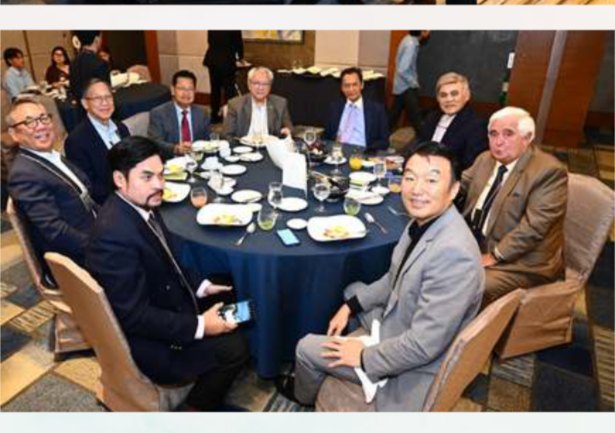
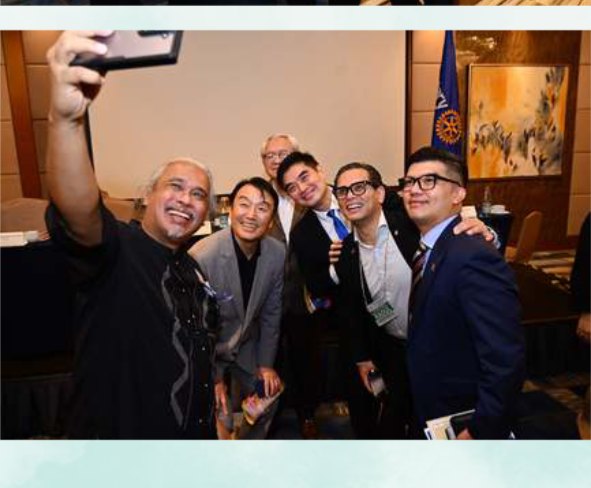
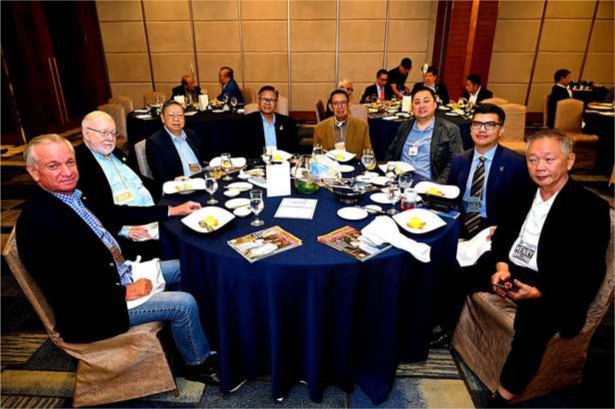
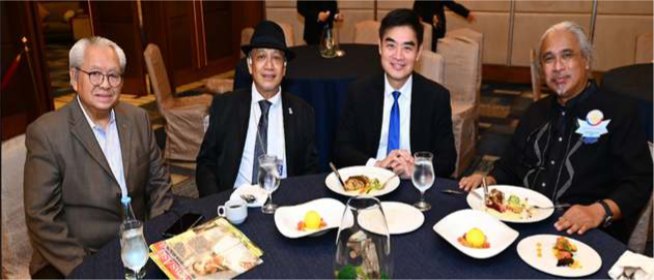
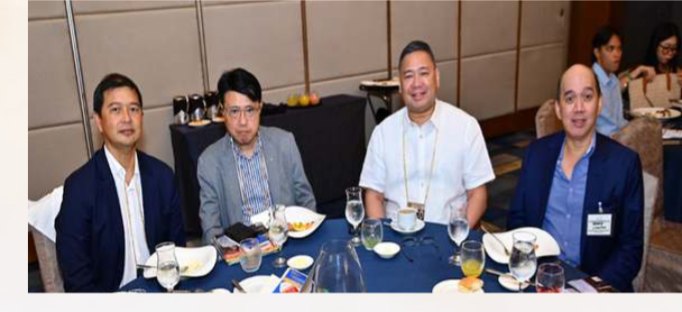
THE Rotary Club of Manila (RCM) took a refreshing departure from the political and national policy discussions that had characterized its recent weekly gatherings as it turned the spotlight on art, culture, creativity and education during its 6th Weekly Membership Meeting, held on August 13, 2026, at Isabella C of the Makati Shangri-La.
With distinguished visual artist and educator Dean Abdulmari "Toym" D. Imao, Jr., Dean of the University of the Philippines College of Fine Arts, as Guest of Honor and Speaker, the afternoon explored a different but equally important dimension of nation-building: the role of imagination, cultural identity and the creative economy in shaping the Philippines’ future. The meeting asked what happens when creativity is pushed to the margins of education and how artificial intelligence may affect the Filipino imagination and the country's ability to tell its own stories.

The meeting opened with the familiar traditions of Rotary, including the invocation, Philippine National Anthem, RCM Hymn and the Four-Way Test, with the RCM World-Famous Music Chorale lending its voices to the gathering. The Club also celebrated the birthdays of Rotarians Ray Davis, John Simon, Mike Guarin, Val Aboy and Joey Garcia.
Introducing Imao was Past Director Hans Palacios, whose connection to the speaker carried a personal dimension: Palacios' sister is married to Imao's brother, Kim. The familial connection lent warmth to an introduction of a speaker whose artistic and academic career has spanned sculpture, painting, public installation, theater, film and cultural advocacy.

Imao opened his presentation in a lighthearted manner, describing his rapid tour through his artistic portfolio as a kind of “speed dating.” Images of installations, historical works, public art and experiments with popular culture flashed before the audience as he explained his belief that art should not be confined to galleries and museums, but should reach ordinary Filipinos in the spaces where they live and encounter their own history.
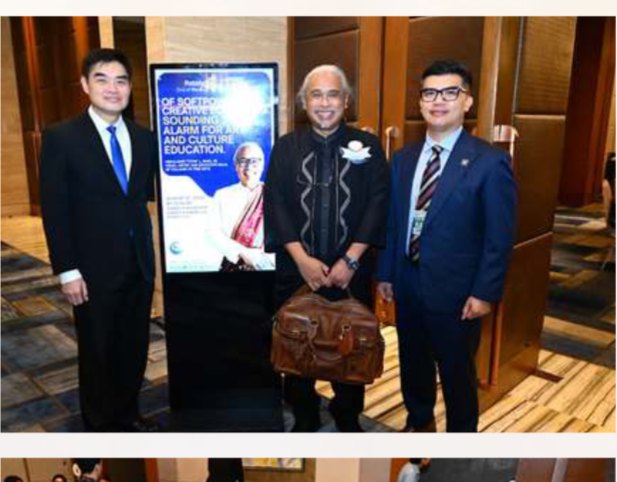
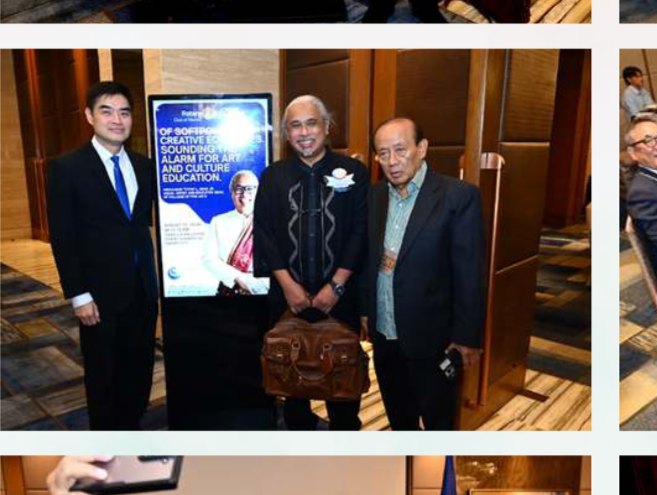
The tone soon deepened. In his presentation, “Of Softpower and Creative Economies: Sounding the Alarm for Art and Culture Education Reform,” Imao raised a fundamental question that extended well beyond the arts: What kind of Filipino is the country educating for the future?

He warned that arts and cultural education are increasingly being pushed toward the margins of the Philippine educational system. Proposals to restructure general education, he said, could dilute the independent place occupied by Art Appreciation and other humanities subjects. For Imao, simply integrating art into other subjects cannot replace the sustained encounter with literature, culture and artistic expression that develops imagination, empathy, cultural literacy, critical thinking and a deeper sense of identity and nationhood.
To illustrate the point, Imao turned to literature. A student encountering Romeo and Juliet in childhood, he observed, does not read it in quite the same way upon reaching college, after experiencing rejection, failure, longing and perhaps love. Likewise, The Little Prince acquires different meanings as readers mature. The humanities, he suggested, are therefore not subjects that can simply be “finished”; they invite people to return to enduring human questions with the deeper perspective that comes from lived experience.

The discussion inevitably arrived at artificial intelligence, but Imao did not frame AI as an enemy to be resisted. Instead, he warned of what could happen if technology advances without an equally strong grounding in culture and creativity. Without that foundation, he said, AI risks becoming dehumanizing, homogenizing and even culturally colonizing. If Filipinos become merely consumers of technologies trained largely on narratives produced elsewhere, the country risks diminishing the visibility of its own stories, languages and ways of seeing the world.
Imao then broadened the discussion from education to economics, arguing that culture itself can become a source of national power. He pointed to Singapore's investments in creativity, museums and cultural institutions following the 1997 Asian financial crisis, and to South Korea's sustained support for writers, artists, filmmakers, television and entertainment. The global phenomenon of Korean popular culture, he noted, grew from an ecosystem that treated creative industries as a serious long-term national investment rather than an ornamental sector.

For the Philippines, Imao maintained that the fundamental problem is not a lack of creative talent. Filipinos have long demonstrated their ability to sing, perform, design, animate, write, build and improvise across the world. What is needed is the infrastructure, education and institutional support that will allow that creativity to flourish.
One of the afternoon's most memorable metaphors was the jeepney. Its origins may be American, its engine Japanese, and the religious imagery on its dashboard reflective of centuries of Spanish Catholic influence, yet its exuberant colors, lettering, humor and ornamentation are unmistakably Filipino. In Imao's telling, the jeepney became an illustration of the country's creative genius: the ability to absorb different influences and transform them into something distinctly its own.

As Dean of the UP College of Fine Arts, Imao also discussed initiatives to strengthen the country's cultural infrastructure, including efforts toward an institution devoted to art conservation and another focused on art and cultural education, with the aspiration of providing dedicated training for public-school teachers. His larger argument was clear: the Philippines cannot hope to develop a thriving creative economy while weakening the educational foundations that produce creators, audiences and cultural memory.
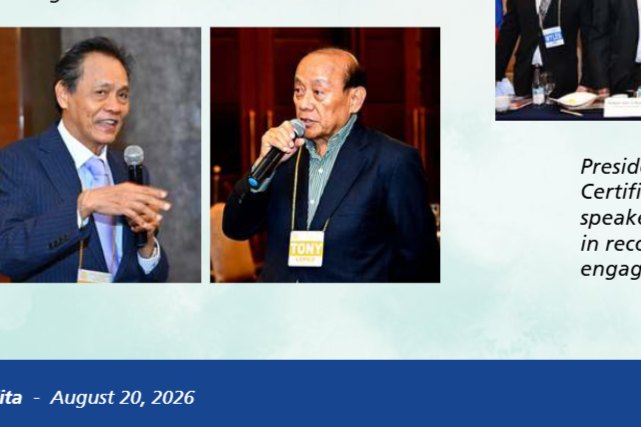
The open forum brought the subject closer to home for several Rotarians. Past Director Tony Lopez, in particular, was visibly moved as he recalled his childhood days making illustrations for newspapers to earn additional income. His recollection transformed the discussion from an academic argument about creative education into something personal, demonstrating how art can become livelihood, opportunity and a formative part of one's life.

Toward the conclusion of his presentation, Imao offered perhaps his most evocative reflection of the afternoon through an unlikely subject: vinyl records. He described the ritual of taking a record from its sleeve, cleaning it, preparing the turntable, lowering the needle, dimming the lights and deliberately sitting down to listen. In an age when almost any song can be summoned instantly from a phone, the apparent inconvenience of that ritual was precisely its point. The waiting, the vibrations and the deliberate act of listening reconnect people with something increasingly threatened by the relentless acceleration of modern life: their humanity.
It was an appropriate ending to a meeting that had deliberately slowed the pace of RCM's recent conversations. The Club had not turned away from national affairs. Rather, it had approached nation-building through another door. A nation, the discussion suggested, is defined not only by its laws, elections, institutions, budgets and political debates, but also by the songs its children remember, the stories passed from one generation to another, the films through which it sees itself, the architecture it preserves and the imagination through which its people envision a better future.

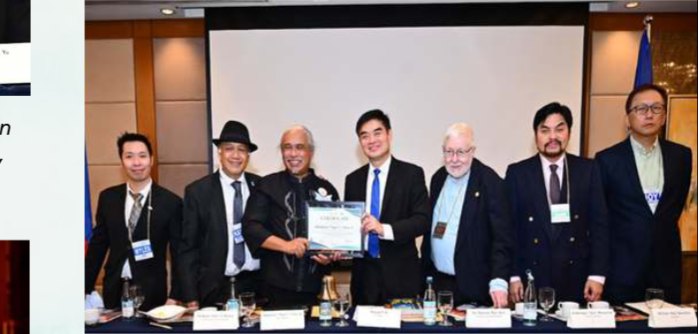
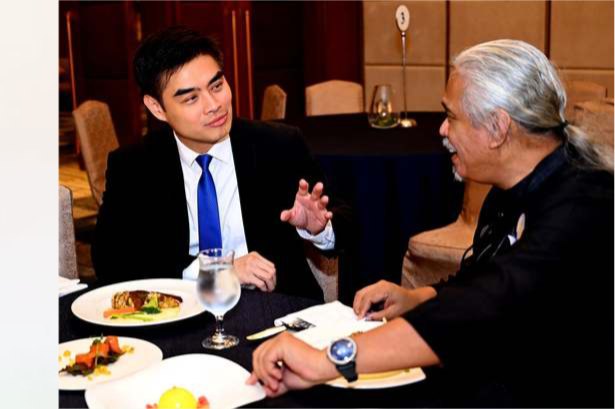
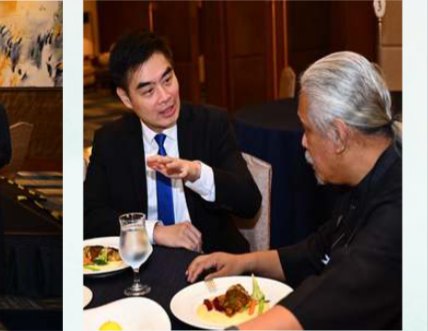
Following the formal meeting, RCM President Reginald Yu continued the conversation with Imao over lunch, extending the exchange on art, education, Filipino identity and the implications of technological change.
The 6th Weekly Membership Meeting ultimately offered RCM members a different lens through which to view service and nation-building. Amid the urgency of politics, economics and public affairs, Imao's message underscored that a prosperous country without memory risks losing its identity, while technological advancement without imagination can produce efficiency without meaning. A society that continues to teach its people to imagine, create, question, remember and tell their own stories, however, preserves something that no algorithm can easily replicate.

For one Thursday afternoon at the Makati Shangri-La, the Rotary Club of Manila stepped away from the noise of the headlines and listened instead to the quieter but enduring language of art, culture and the Filipino imagination.

 The Weight of a Promise
 Atty. Amando Virgil D. Ligutan
 RC Manila’s Third Regular Board Meeting and Second Planning Meeting