

Fighting Malnutrition: Rotary Club of Manila's Commitment to a Healthier Future for Filipino Children
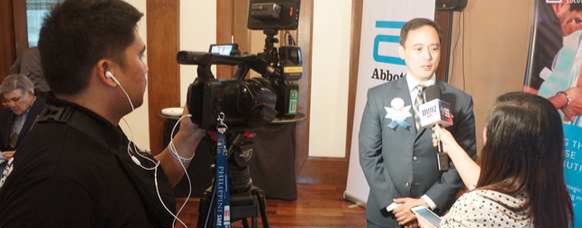
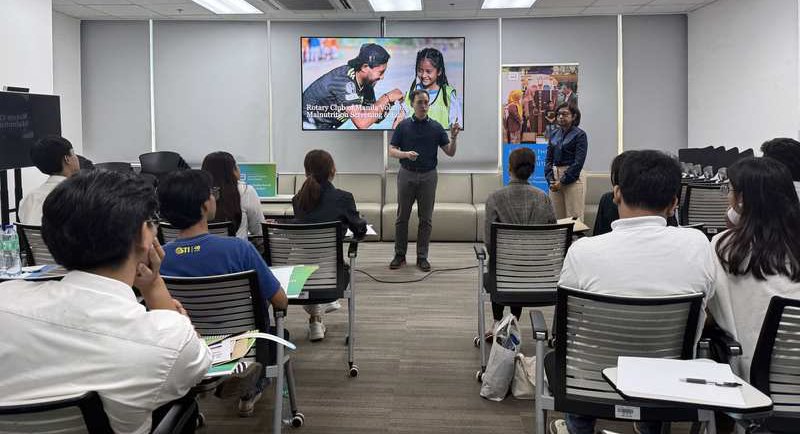
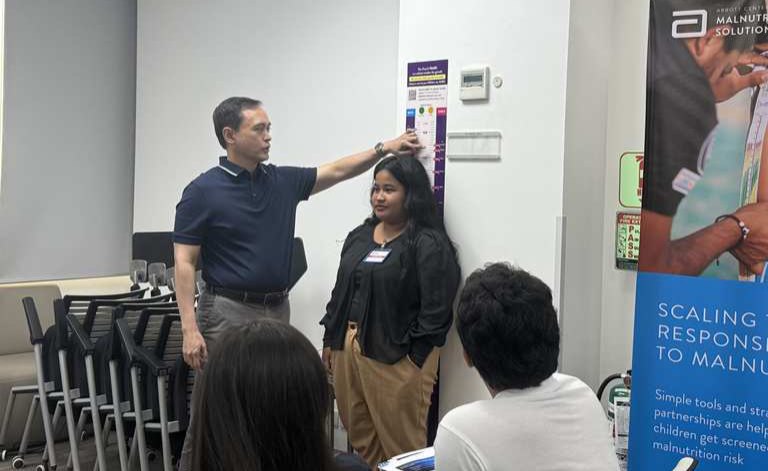
At its 16th Weekly Membership Meeting on November 28, 2024, the club heard Abbott's Dr. Jose Rodolfo V. Dimaano, Jr. speak on malnutrition.

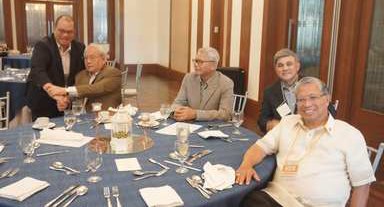
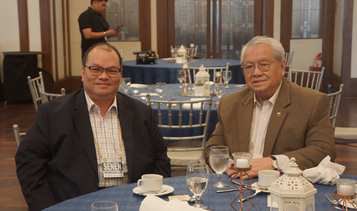
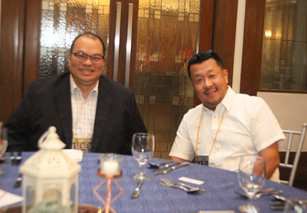
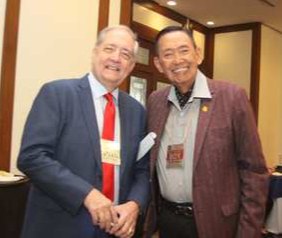
ON THURSDAY, November 28, 2024, the Rotary Club of Manila (RCM) held its 16th Weekly Membership Meeting at the prestigious Manila Polo Club, marking another significant moment in its ongoing mission to make a positive impact in the lives of Filipinos and the global community. The meeting, attended by esteemed members and guests, featured a guest speaker whose expertise in the field of nutrition and public health resonated deeply with the club’s values of service above self.
Opening the Meeting with Dedication and Purpose

The event began promptly at 12:30 PM with a warm welcome from President Jujut Enriquez, who called the meeting to order. The day’s proceedings began with an invocation by Rtn. Dr. Paul Koh, setting the tone for reflection and gratitude. The National Anthem and the Rotary Club of Manila Hymn, beautifully performed by the RCM World Famous Music Chorale, followed, reminding everyone present of their shared purpose to serve humanity.
As tradition dictates, Vice-President Joel Valdes led the assembly in reciting the Four-Way Test, reinforcing the ethical principles that guide Rotarians in their service. Deputy Sergeant-at-Arms Dr. John Cutter then acknowledged the distinguished guests, ensuring that everyone present felt valued and appreciated.

The atmosphere was celebratory as the meeting recognized the birthdays of Rtn. Ricky Laurel (Nov. 24), PD Tony Lopez (Nov. 25), and Rtn. Raymond Alberto (Nov. 26), with the RCM World Famous Music Chorale singing a heartfelt rendition of the Maligayang Bati / Happy Birthday song.
A Message of Hope and Health: Guest Speaker Dr. Jose Rodolfo V. Dimaano, Jr.

The centerpiece of the meeting was the guest address delivered by Dr. Jose Rodolfo V. Dimaano, Jr., MD, the Nutrition Medical Director for Asia Pacific at Abbott. Dr. Dimaano’s expertise and his organization’s efforts to address malnutrition worldwide were of particular significance, given the challenges faced by children and families in the Philippines and across the globe. His speech was both a call to action and a message of hope, as he outlined the gravity of malnutrition and the collaborative efforts required to address this pressing issue.
Dr. Dimaano emphasized that malnutrition remains a global health burden, affecting one in three people worldwide, across all ages and socio-economic classes. He pointed to startling statistics, noting that 148 million children under the age of five are stunted, and 462 million adults are underweight—issues that continue to undermine human potential and hinder economic development.
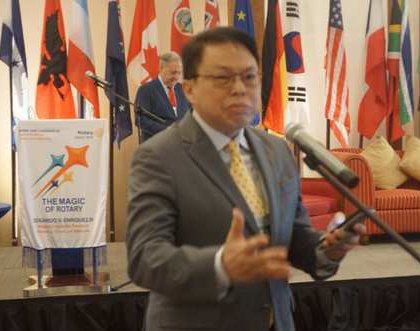
In the Philippines, malnutrition rates remain alarmingly high, with 29.6% of children under five years old suffering from stunting, and 19.1% classified as underweight. This crisis not only affects children's health but also their future, as stunted growth leads to reduced educational attainment, impaired cognitive development, and lower earning potential. Dr. Dimaano explained how these factors perpetuate cycles of poverty and hinder national progress.
A Focus on Stunting: The Path to Change
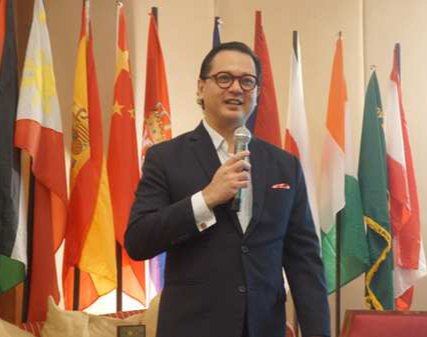
Dr. Dimaano drew particular attention to stunting, which he described as one of the most severe consequences of malnutrition, particularly in young children. The statistics from the Philippines and other regions of Asia are particularly troubling: 13 of the 17 regions in the country report stunting rates above 30%, a level that the World Health Organization considers high.
The Philippines is not alone in its struggle. Dr. Dimaano pointed out that across Asia, Latin America, the Middle East, and Sub-Saharan Africa, countries are grappling with high rates of malnutrition, particularly stunting, which affects cognitive development and productivity. However, he also offered hope, stressing that nutrition projects aimed at reducing stunting offer some of the most effective interventions for improving economic and social outcomes, particularly in countries like the Philippines, where such programs can make a dramatic difference.
Government and Global Solutions: Collaborative Efforts to Address Malnutrition
Dr. Dimaano highlighted the vital role of government programs in addressing the malnutrition crisis. The Department of Science and Technology-Food and Nutrition Research Institute (DOST-FNRI) has been a leading force in tackling undernutrition, with programs like the Malnutrition Reduction Program (MRP) targeting infants and young children. The PINO Strategy, a critical component of this program, aims to provide nutritional support to children aged 6 to 23 months, particularly through rice-mongo-based complementary foods, along with nutrition education for mothers and caregivers.
Abbott, the global healthcare leader represented by Dr. Dimaano, is also playing a central role in this fight. Through its Abbott Center for Malnutrition Solutions, the company is working to identify, treat, and prevent malnutrition on a systems level. Abbott’s efforts are focused on maternal, infant, and young child health, improving access to care for the under-resourced, and promoting healthy aging. Abbott’s 2030 Sustainability Plan aims to impact 3 billion people annually by the decade’s end, transforming care for malnutrition, chronic diseases, and infectious diseases worldwide. The company’s commitment to leveraging science and innovation in the fight against malnutrition aligns perfectly with the goals of Rotary International, which continues to champion sustainable development and health worldwide.
A Call to Action: Building a Sustainable Future
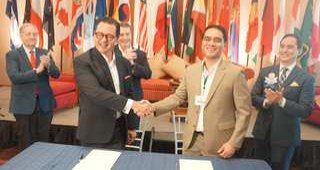
In his concluding remarks, Dr. Dimaano reiterated that sustainability begins with health. Good health is the foundation for thriving individuals and strong communities. At Abbott, sustainability is not just about business—it’s about delivering long-term impact through innovative healthcare solutions that will improve the lives of people everywhere.
For Rotary Club of Manila members, this powerful message resonated deeply. As a service club that consistently focuses on addressing the critical needs of the community, members were reminded of the importance of continuing to work together—locally and globally—to create sustainable change.
Closing Remarks and Certificates of Appreciation
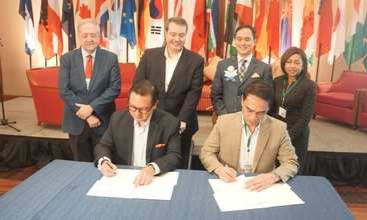
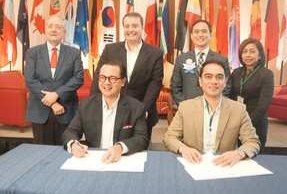
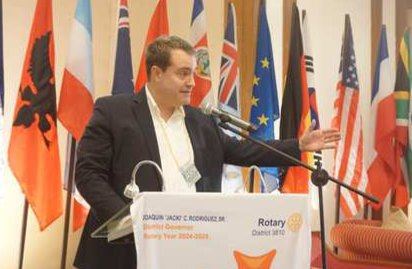
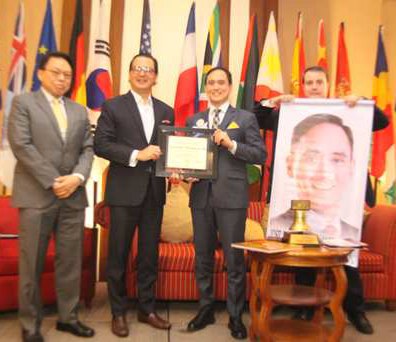
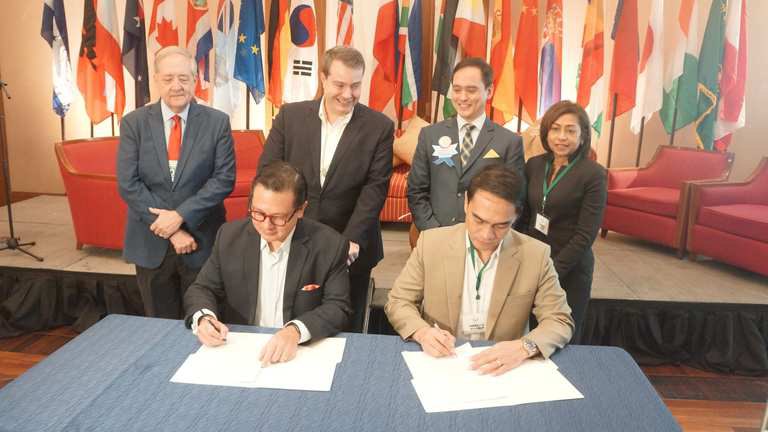
After Dr. Dimaano’s inspiring address, the meeting opened for an engaging open forum, where members had the opportunity to ask questions and discuss further steps in addressing malnutrition. President Jujut Enriquez closed the meeting by presenting Dr. Dimaano with a Certificate of Appreciation for his invaluable insights and contribution to the cause of better health and nutrition. The meeting adjourned with a renewed sense of purpose, with members of the Rotary Club of Manila reaffirming their commitment to the ideals of service above self and the pursuit of a healthier, more sustainable future for all.

As the Rotary Club of Manila continues its work in the Philippines and around the world, this week’s meeting underscores the critical role of nutrition in building a brighter future. By supporting initiatives like Abbott’s Center for Malnutrition Solutions and government-led programs, Rotarians are empowered to make a difference in the lives of children and families, paving the way for a healthier, more prosperous tomorrow.





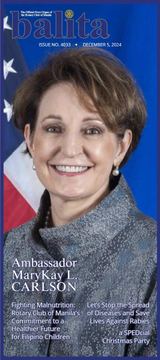
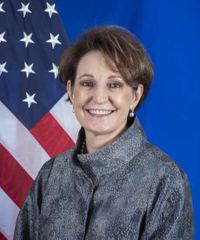 Her Excellency MaryKay L. Carlson
 Santiago Trillana Academy Concert Chorus