

Innovation in Aviation: Navigating the Future of Air Travel
The future of Philippine aviation lies in sustainable aviation, digital innovation, infrastructure modernization, regional connectivity and resilience.
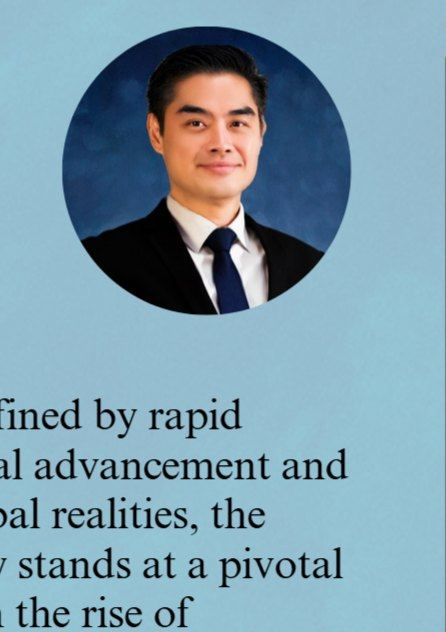
IN an era defined by rapid technological advancement and shifting global realities, the aviation industry stands at a pivotal crossroads. With the rise of sustainable technologies, digital transformation, and evolving passenger demands, the future of air travel is being reshaped at an unprecedented pace. For the Philippines, a nation deeply reliant on aviation for tourism, trade, and connectivity, embracing innovation is not merely an option—it is an imperative.
The aviation industry has always been a symbol of human ingenuity, bridging distances and cultures with remarkable efficiency. However, the challenges it faces today are unlike any in its history. From the lingering aftereffects of the pandemic to mounting environmental pressures, the call for bold and transformative solutions has never been louder.
At the forefront of this evolution is sustainable aviation. The global industry is shifting toward greener skies, with airlines investing heavily in sustainable aviation fuel (SAF), fuel-efficient aircraft, and carbon offset programs. In the Philippines, where aviation accounts for a significant portion of tourism-generated revenue, the push for eco-conscious practices must accelerate.
The integration of new-generation, fuel-efficient fleets is a step in the right direction, but the industry must go further. Developing infrastructure for SAF production, collaborating with global sustainability initiatives, and modernizing airports to reduce emissions are essential to meeting the growing demands for eco-friendly travel.
Another game-changer is digital innovation. As airlines worldwide embrace artificial intelligence, biometrics, and contactless technology, passenger experiences are being redefined. Seamless check-ins, AI-powered customer service, and data-driven operational efficiency are no longer futuristic concepts—they are today’s realities. For the Philippines, upgrading airport systems and integrating smarter, more automated solutions will not only enhance convenience but also strengthen the country’s position as a regional aviation hub.
The future of Philippine aviation also hinges on infrastructure modernization. The long-standing congestion at Ninoy Aquino International Airport (NAIA) has been a chronic bottleneck. The long-awaited development of New Manila International Airport (NMIA) in Bulacan and the expansion of Clark International Airport offer glimmers of hope. However, infrastructure development must go beyond capacity expansion—it requires smarter air traffic management systems, enhanced interconnectivity between regional airports, and investments in logistics technology to boost cargo efficiency.
Moreover, regional connectivity is a vital frontier. While major airports receive the bulk of attention, secondary and tertiary airports remain underutilized. Investing in the development and modernization of these smaller hubs can unlock new economic opportunities, particularly in tourism-dependent regions. Expanding domestic routes and enhancing inter-island connectivity will be essential in driving inclusive economic growth.
Finally, the rise of aviation resilience and safety innovations in the face of climate change and geopolitical uncertainties is paramount. From advanced weather prediction technologies to strengthened cybersecurity measures, ensuring passenger safety amid evolving risks is a non-negotiable priority.
As Captain Stanley Ng, President of Philippine Airlines, addresses the Rotary Club of Manila at its 28th Weekly Membership Meeting, the dialogue will undoubtedly highlight the pressing need for the Philippine aviation sector to remain competitive, sustainable, and resilient.
Yet, beyond the strategies and industry insights, the message is clear: the future of Philippine aviation lies in its willingness to innovate. The skies ahead are boundless, but only those prepared to embrace transformation will soar.

 Capt. Stanley Kua Ng
 Behind the Badge: General Torre’s Untold Story of the Duterte Arrest