

Energizing the Nation
The President welcomes Energy Secretary Sharon Garin and writes on energy security, renewable energy, infrastructure and collaboration.

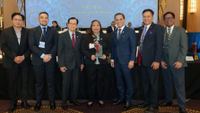
AT our weekly membership meeting today, we are honored to welcome the Department of Energy Secretary Sharon Garin as Guest of Honor and Speaker — a timely engagement as the country continues to confront pressing energy and power challenges.
Energy has become one of the defining concerns of modern governance and national development. It powers industries, transportation, businesses, hospitals, schools, communication systems, and homes. As the Philippine economy continues to grow and modernize, the demand for reliable, affordable, and sustainable energy has never been greater.
At the same time, the country faces serious challenges. Rising global fuel prices, geopolitical tensions, climate-related disruptions, increasing electricity demand, and infrastructure limitations continue to place pressure on the nation’s energy systems. The Philippines also remains vulnerable because of its dependence on imported fuel, making it highly sensitive to fluctuations in global energy markets.
The recent global fuel crisis demonstrated how international conflicts and supply disruptions can immediately affect fuel prices, electricity costs, inflation, and overall economic stability. These realities have made energy security a top national priority.
Energy security means ensuring the uninterrupted availability of energy at affordable and stable prices. For the Philippines, this requires long-term planning, diversified energy sources, modern infrastructure, and resilient power systems capable of supporting national growth.
Fortunately, the country possesses enormous opportunities alongside its challenges. The Philippines is rich in renewable energy resources, including geothermal, solar, wind, and hydroelectric power. In fact, the country remains one of the world’s leading producers of geothermal energy.
The government, through the Department of Energy, has been pursuing policies aimed at diversifying the nation’s energy mix and accelerating the development of renewable energy projects. Solar farms, wind facilities, hydroelectric projects, and battery energy storage systems are increasingly becoming part of the country’s long-term energy strategy. These initiatives are important not only for environmental sustainability but also for national resilience. Expanding renewable energy helps reduce dependence on imported fuel, improve long-term price stability, strengthen energy security, and create new investment and employment opportunities.
Infrastructure modernization is likewise a critical component of the government’s energy agenda. Reliable power generation alone is insufficient without efficient transmission and distribution systems. Investments in smart grids, energy storage, disaster-resilient infrastructure, and expanded transmission networks are essential to ensuring stable and reliable electricity across the archipelago.
Innovation also plays an increasingly important role in shaping the future of energy. Emerging technologies such as artificial intelligence-driven grid systems, electric mobility, advanced battery storage, and distributed renewable systems are transforming how energy is produced, managed, and consumed.
Equally important is the need for inclusive development. Reliable electricity remains essential for education, healthcare, agriculture, communication, and livelihood opportunities, especially in rural and geographically isolated communities. Expanding energy access therefore contributes directly to social progress and poverty reduction.
The participation of the Secretary of Energy in today’s weekly meeting highlights the importance of constructive dialogue among government, business leaders, professionals, and civic organizations. The challenges facing the energy sector cannot be addressed by government alone.
Progress requires collaboration, innovation, responsible leadership, and long-term vision.
The Rotary Club of Manila has long served as a platform for meaningful conversations on issues affecting national development. Today’s engagement reflects Rotary’s continuing commitment to civic leadership, informed dialogue, and service to the nation.
As the Philippines navigates a rapidly evolving global energy landscape, the need for sound policy, sustainable solutions, and resilient infrastructure becomes even more urgent. The country’s future growth and competitiveness will depend significantly on its ability to secure reliable, affordable, and sustainable energy for generations to come.
In the end, energy powers more than economies and industries.
It powers national progress itself.

 Atty. Sharon S. Garin
 The Unsung Heroes of Industry