

When Power Meets Accountability
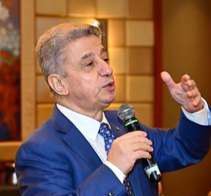
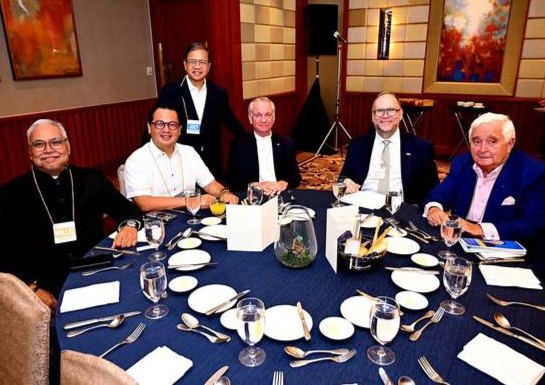
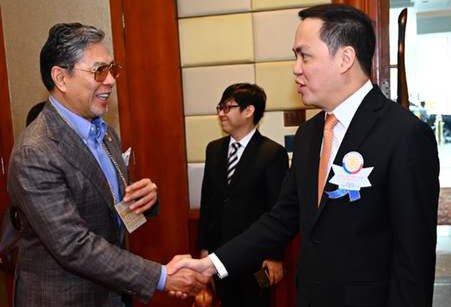
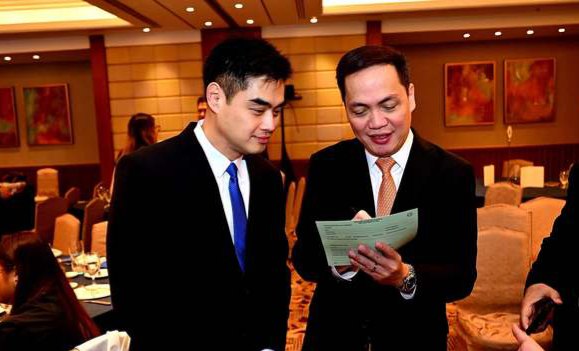
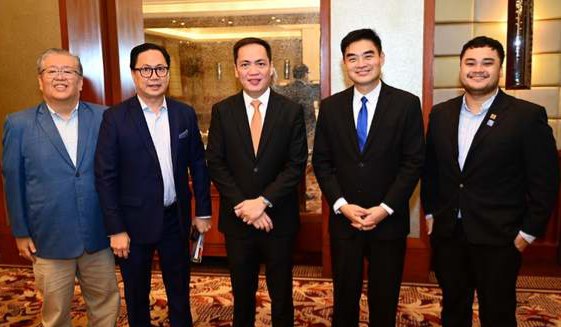
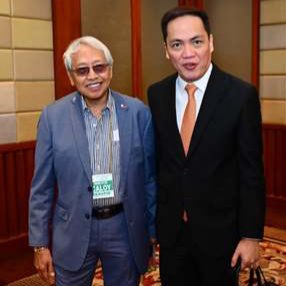
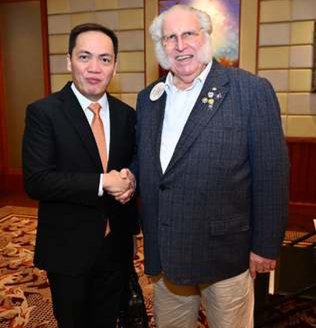
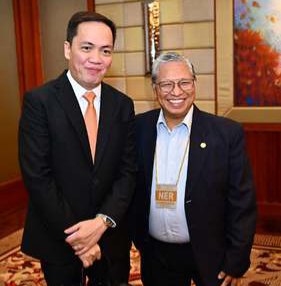
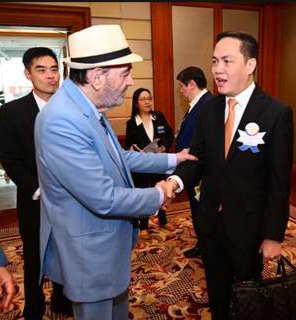
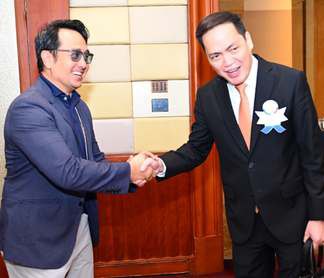
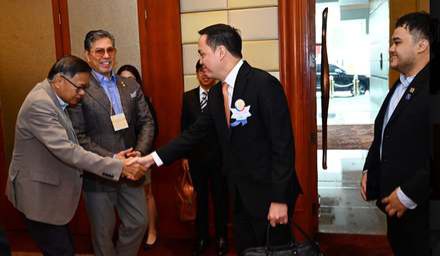
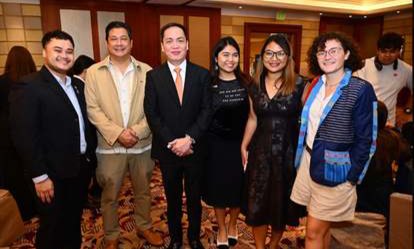
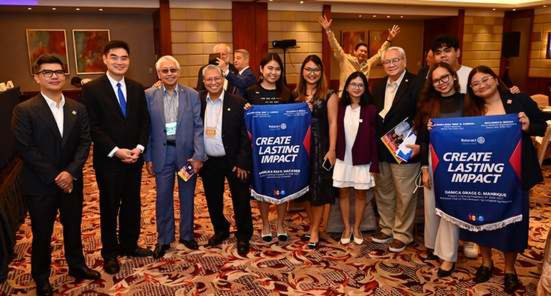
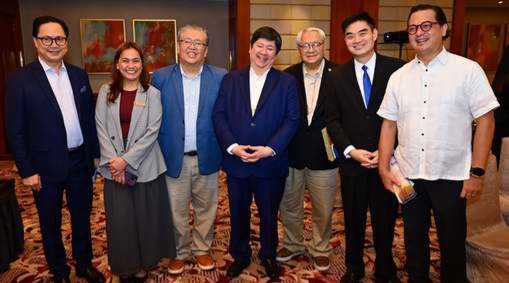
Atty. Amando Virgil D. Ligutan, a private prosecutor in the impeachment proceedings against Vice President Sara Duterte, addressed the Club's 7th Weekly Membership Meeting on August 20, 2026.
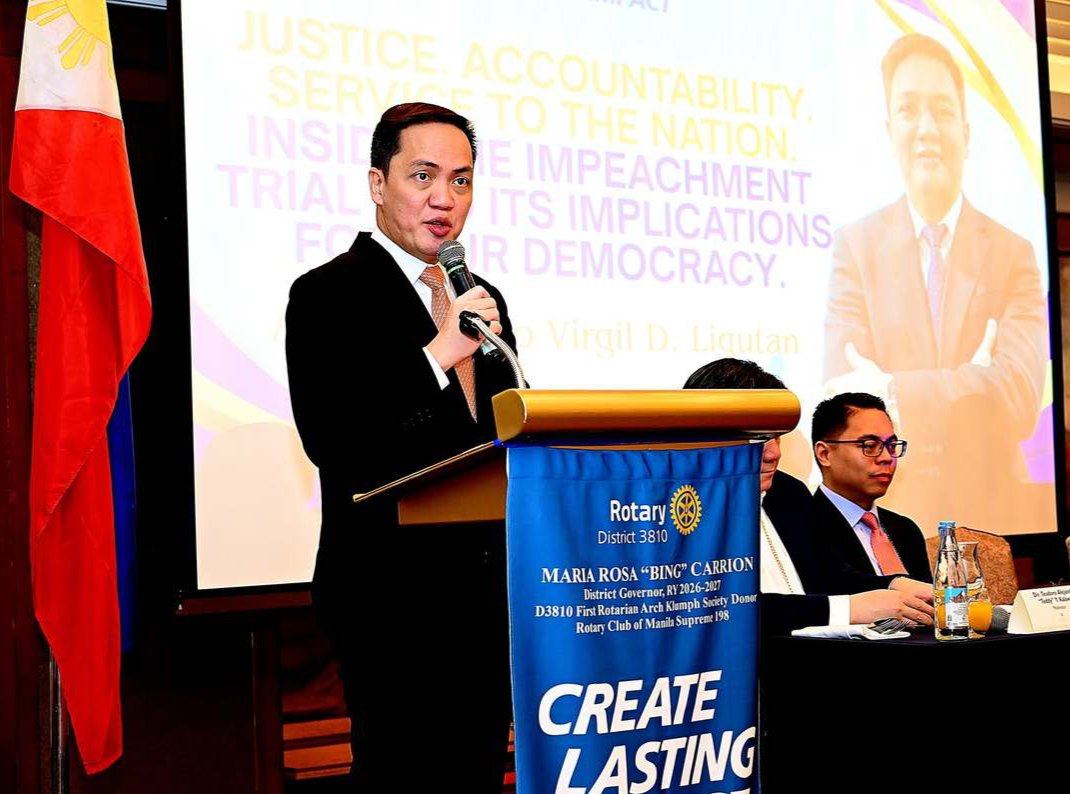
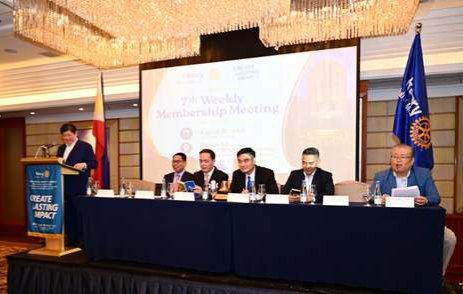
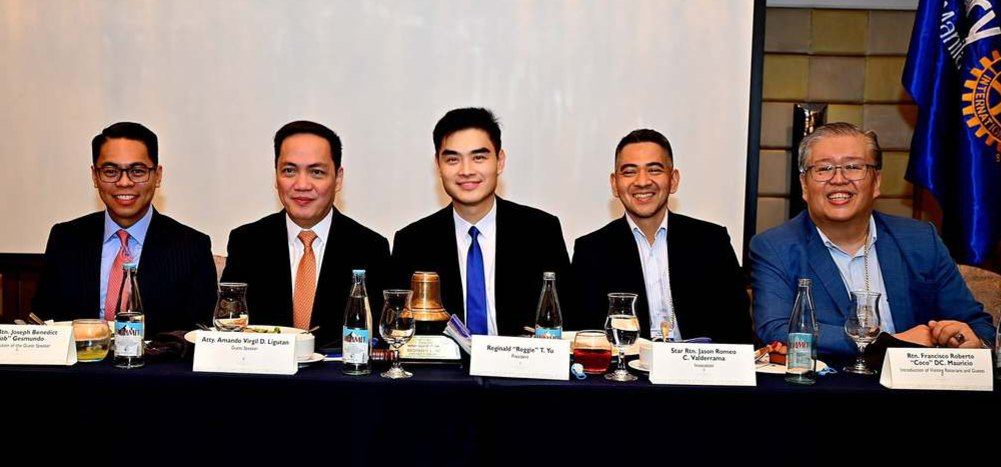
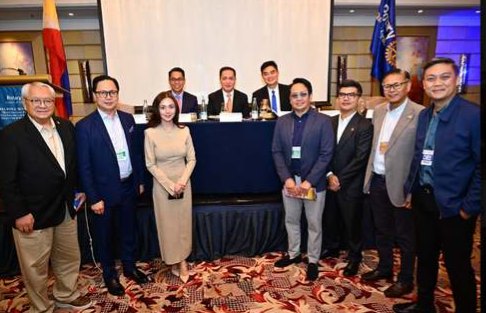
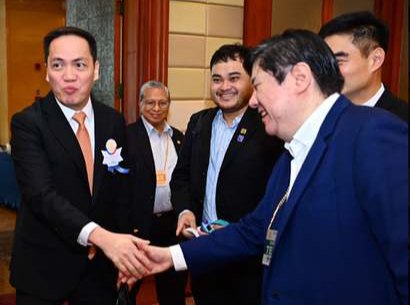
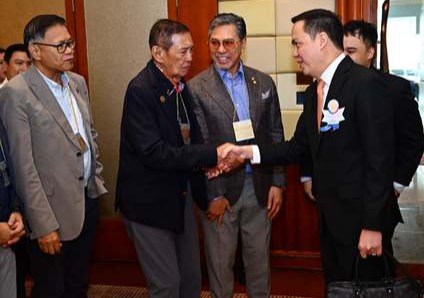
The Rotary Club of Manila placed one of the country's most consequential constitutional issues at the center of its civic forum on August 20, 2026, as Atty. Amando Virgil D. Ligutan, Private Prosecutor of the House Prosecution Panel in the impeachment proceedings against Vice President Sara Duterte, addressed the Club's 7th Weekly Membership Meeting of Rotary Year 2026–2027 at Makati Shangri-La, Manila.
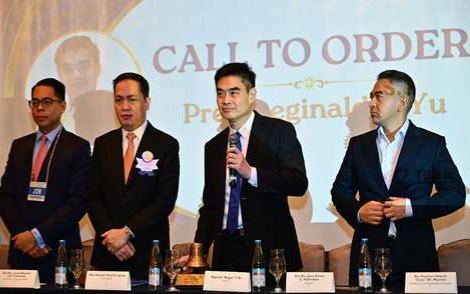
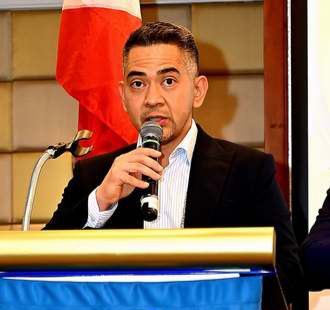
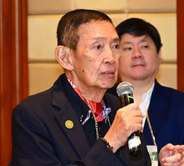
With RCM Director Atty. Teodoro Alejandro Y. Kalaw IV serving as moderator, the gathering moved beyond the personalities and political divisions surrounding the impeachment and into a broader examination of accountability, public trust, equality before the law, and the resilience of Philippine democratic institutions.
Ligutan opened his address by acknowledging the Rotary Club of Manila as an institution whose members have, for generations, helped shape the country's civic, economic, and moral landscape. An invitation to speak before Rotary, he said, demanded more than the delivery of prepared remarks; it required an accounting of one's principles, beliefs, and convictions.
He then described the Philippines as being at an important crossroads, confronting profound questions about governance, accountability, and the durability of democracy.
According to Ligutan, these questions transcend partisan politics because they test whether institutions are strong enough to withstand scrutiny, whether leaders are willing to accept oversight, and whether democratic systems remain capable of correcting themselves.
"Accountability is not politics even when politics tries to make it look that way," he said, describing it instead as a democratic necessity and impeachment as one of the constitutional mechanisms through which it is enforced.
Ligutan stressed that impeachment should neither be treated as spectacle nor as an instrument for merely targeting political opponents. Rather, he described it as a serious constitutional inquiry into the conduct of officials occupying the highest levels of government.
At its core, he said, impeachment asks a solemn question: Are the country's highest officials still worthy of the public trust?
A Call That Changed the Course of His Career
Beyond the constitutional arguments, Ligutan gave RCM members a personal account of how he became involved in the impeachment proceedings.
He recalled receiving a telephone call from a priest sometime in December 2024 asking whether he would help file an impeachment complaint against Vice President Duterte.
Ligutan said he did not hesitate.
He subsequently represented a group of priests, nuns, civic leaders, and lawyers seeking accountability from the Vice President. When the first impeachment proceeding was dismissed, Ligutan said the setback gave him time to reflect more deeply on the gravity of his responsibility and the reasons behind his decision to pursue the case.
Months later, the group approached him again.
"Attorney, will you lawyer for us once more?" he recalled being asked.
Again, his answer was yes.
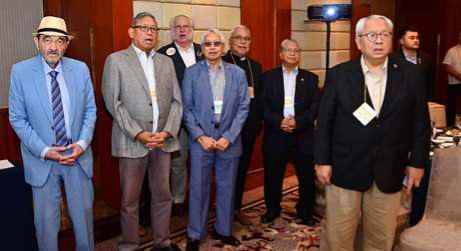
For Ligutan, accountability could not be optional, seasonal, or dependent upon convenience. It demanded persistence and sacrifice, particularly when those being subjected to scrutiny occupied positions of considerable power.
He argued that the impeachment therefore represented more than a trial of Vice President Duterte. It was also a test of the country's systems, democratic norms, expectations of leadership, and collective commitment to truth.
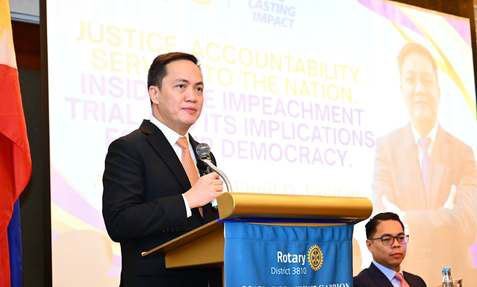
Even the senator-judges who would sit in judgment, Ligutan argued, faced their own institutional test: whether they would permit transparency, withstand political pressures, and remain faithful to both the letter and spirit of the Constitution.
A Dream Born During the Estrada Impeachment
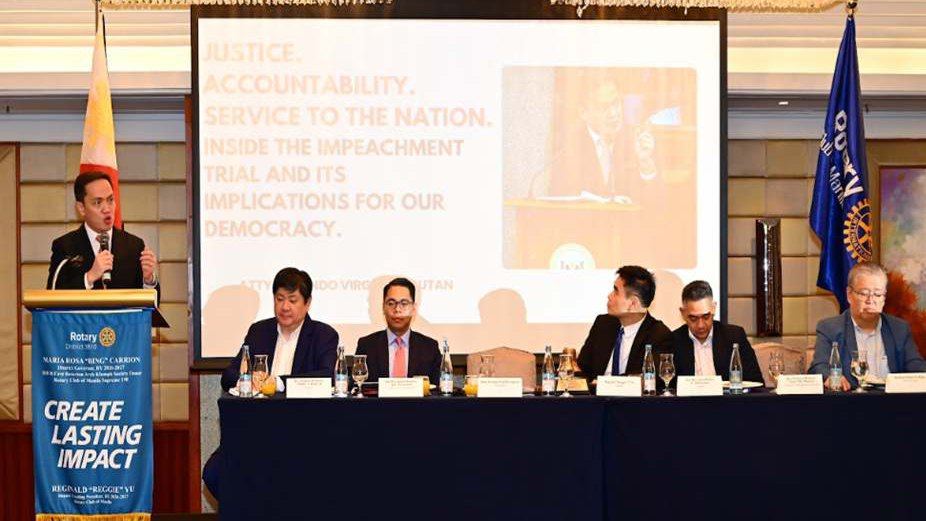
One of the most personal moments of Ligutan's address came when he traced his interest in accountability to another defining chapter in Philippine political history.
As a young college student, Ligutan watched the impeachment trial of former President Joseph Estrada unfold on national television. He remembered watching the prosecutors walk out and the senators vote 11–10 against opening the controversial second envelope.
While millions of Filipinos watched the same historic events, the proceedings left a particular impression on the young Ligutan.
"Someday, I want to be there," he remembered thinking. "Someday, I want to stand in that arena. Someday, I want to help hold power accountable."
At the time, Ligutan said he had neither political connections nor powerful patrons. He instead pursued the long route of study, legal practice, litigation and teaching, building his professional life "brick by brick, case by case, student by student."
Years later, when the House of Representatives asked him to serve as one of the private prosecutors in the impeachment proceedings against Vice President Duterte, the ambition first formed while watching the Estrada trial had come full circle.
The account offered RCM members a glimpse into how an event witnessed by a young student decades ago would eventually influence the direction of his professional life — until he was no longer watching an impeachment from outside the arena but participating in another chapter of the country's constitutional history.
Justice for the Powerful and the Powerless
The moral center of Ligutan's address emerged from a story far removed from the halls of political power.
He recalled reading a news report about a public school teacher who was convicted and ordered imprisoned for 11 years for stealing ₱5,000.
The case prompted him to ask what justice demands when those accused are powerful and the amounts involved are exponentially greater.
"If the law can be this unforgiving, this absolute toward a teacher who stole ₱5,000," he asked, what should happen when the accused is powerful and the sums involved reach hundreds of millions of pesos?
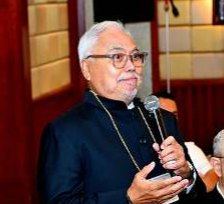
For Ligutan, equality before the law meant that justice could not become harsh toward the powerless while becoming timid in the presence of power.
"The true test of justice is not how it treats the powerless, but how it confronts the powerful," he said.
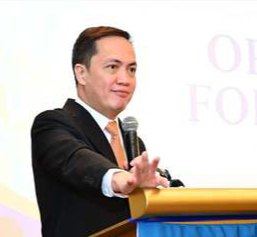
He distilled the principle further: "The law must be big enough to protect the small, and strong enough to confront the big."
From there, Ligutan widened the discussion beyond the impeachment itself.
Who guards those entrusted with guarding the country's institutions? Who protects the public coffers? Who ensures that confidential funds remain confidential for legitimate reasons rather than becoming mechanisms for concealing wrongdoing? And who ensures that accountability does not stop with ordinary government employees, barangay treasurers, or school teachers but extends to the highest offices of the land?
Ligutan also rejected the idea that pursuing one major controversy should require ignoring another. Referring to allegations involving flood-control projects alongside controversies over confidential funds, he argued that government should pursue wrongdoing wherever evidence leads.
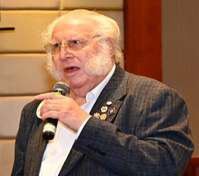
His message was clear: accountability loses its moral credibility when its application depends upon the political identity of the person involved.
The People Are Not Mere Spectators
Ligutan further argued that the significance of the impeachment extends far beyond the Vice President.
Its consequences, he said, touch the "architecture" of Philippine democracy, the credibility of institutions, and the future direction of governance. A nation incapable of holding its leaders accountable, he warned, cannot move forward.
But responsibility, he emphasized, does not rest solely upon prosecutors, defense lawyers, legislators, or senator-judges.
The Filipino people also have a role.
Every document, witness, video, audit report, and piece of evidence presented in the proceedings should challenge citizens to think critically rather than simply choose a political camp, he said. Citizens should neither assume that every accusation establishes guilt nor automatically dismiss accusations as persecution.
Instead, Ligutan urged the public to weigh the evidence and demand substantive answers, describing this responsibility as part of the people's right to determine the kind of society they wish to live in and eventually leave to their children.
For the Rotary Club of Manila, the discussion resonated naturally with the principles of the Four-Way Test, particularly its first two questions: Is it the truth? Is it fair to all concerned?
The Four-Way Test offers no verdict on an impeachment proceeding. But its emphasis on truth and fairness provides a useful civic discipline: facts must be examined, evidence must be weighed, and standards should remain consistent regardless of the personalities or political affiliations involved.
The Danger of 'Moral Favoritism'
Near the end of his address, Ligutan turned to what he described as a quieter danger confronting Philippine society: "moral favoritism."
He questioned whether wrongdoing should ever become acceptable simply because people happen to admire or support the individual accused of committing it. Such selective morality, he suggested, risks weakening the very standards citizens expect government to uphold.
The larger question, he said, was whether the country would regress or “turn the page” and move forward.
For Ligutan, the impeachment was therefore not merely a legal contest between prosecution and defense. He framed it as a struggle over accountability and equality before the law, over progress rather than regression, and ultimately as "a fight for the soul of the nation."
RCM as a Forum for Consequential Conversations
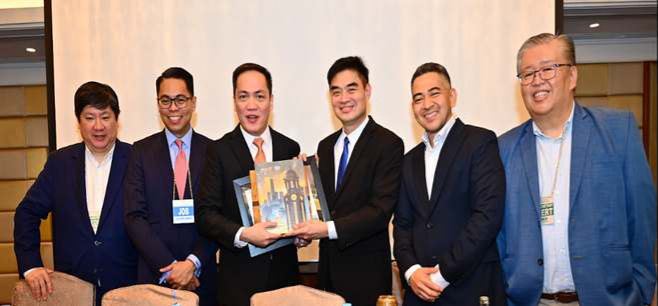
The presence of Ligutan at the RCM podium also underscored the Club's continuing role as a civic forum where difficult national issues may be discussed without requiring institutional endorsement of a speaker's position.
The Rotary Club of Manila is not a political party, and hosting a prosecutor, public official, opposition figure, advocate, or critic does not in itself signify the Club's adoption of that individual's views. Rather, such meetings provide members an opportunity to hear consequential arguments firsthand, subject them to questions, and arrive at their own informed conclusions.
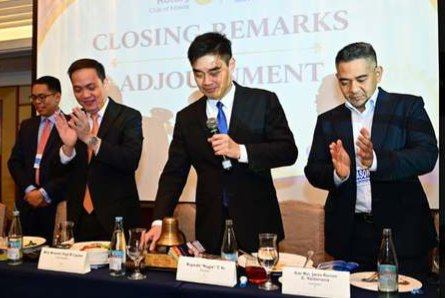
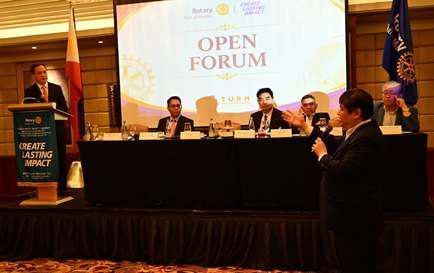
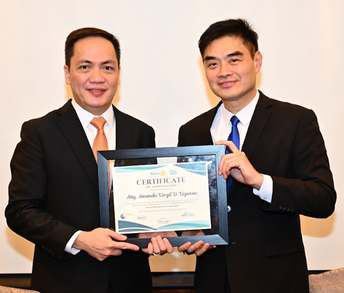
That tradition was evident during the open forum that followed Ligutan's address, with the official program providing for an exchange between the guest speaker and members before the presentation of the Club's Certificate of Appreciation and adjournment.
For more than a century, the Rotary Club of Manila has brought presidents, legislators, jurists, diplomats, business leaders, academics, reformers, artists and advocates before its membership. They have not always agreed with one another, nor have RCM members necessarily agreed with every position expressed from its podium.
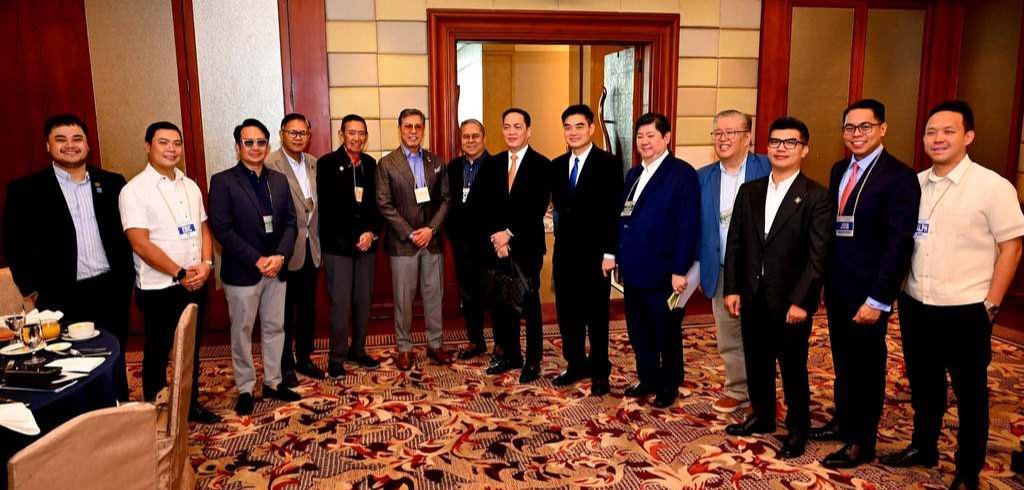
The enduring value of the forum lies precisely in that independence.
On August 20, the Club heard from a lawyer directly involved in one of the most consequential constitutional controversies of the day. Behind the private prosecutor, however, was also the story of a college student who had once watched another impeachment trial through a television screen and quietly imagined that he might someday enter that arena himself.
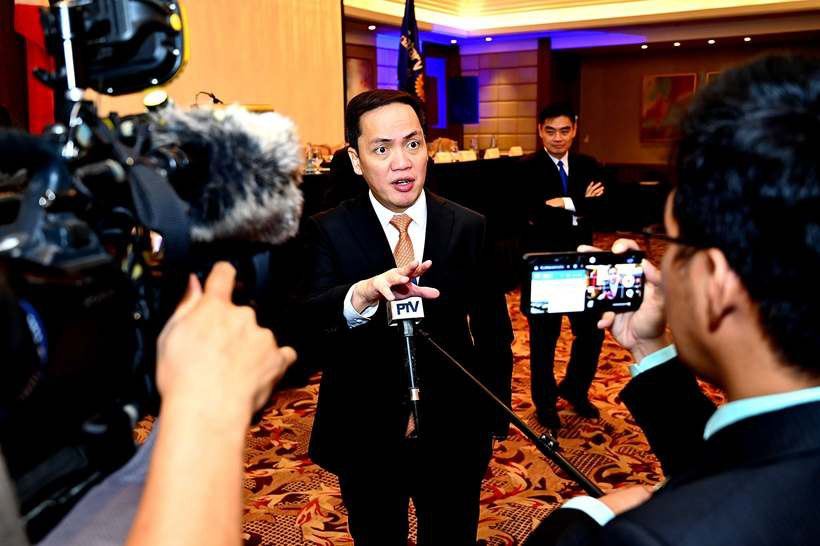
Decades later, he did.
And inside Makati Shangri-La that Thursday afternoon, the discussion ultimately transcended the fate of any one public official. It returned instead to a principle that applies equally to government, civic institutions, business and individual citizenship:
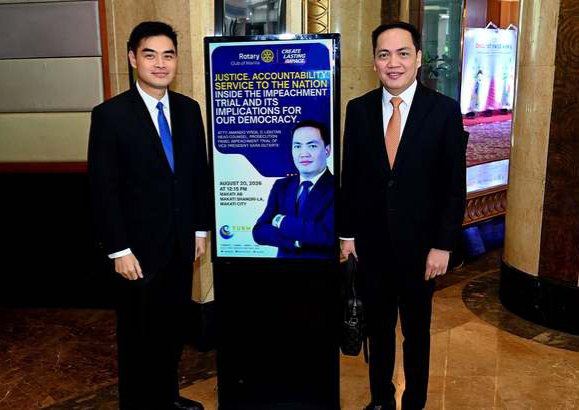
When power meets accountability, the true test is whether the same principles still apply regardless of who holds that power.

 The Lonely Fight
 Senator Risa Hontiveros
 Transformative Medical Mission 2026