

The Questions Rotarians Carried Home
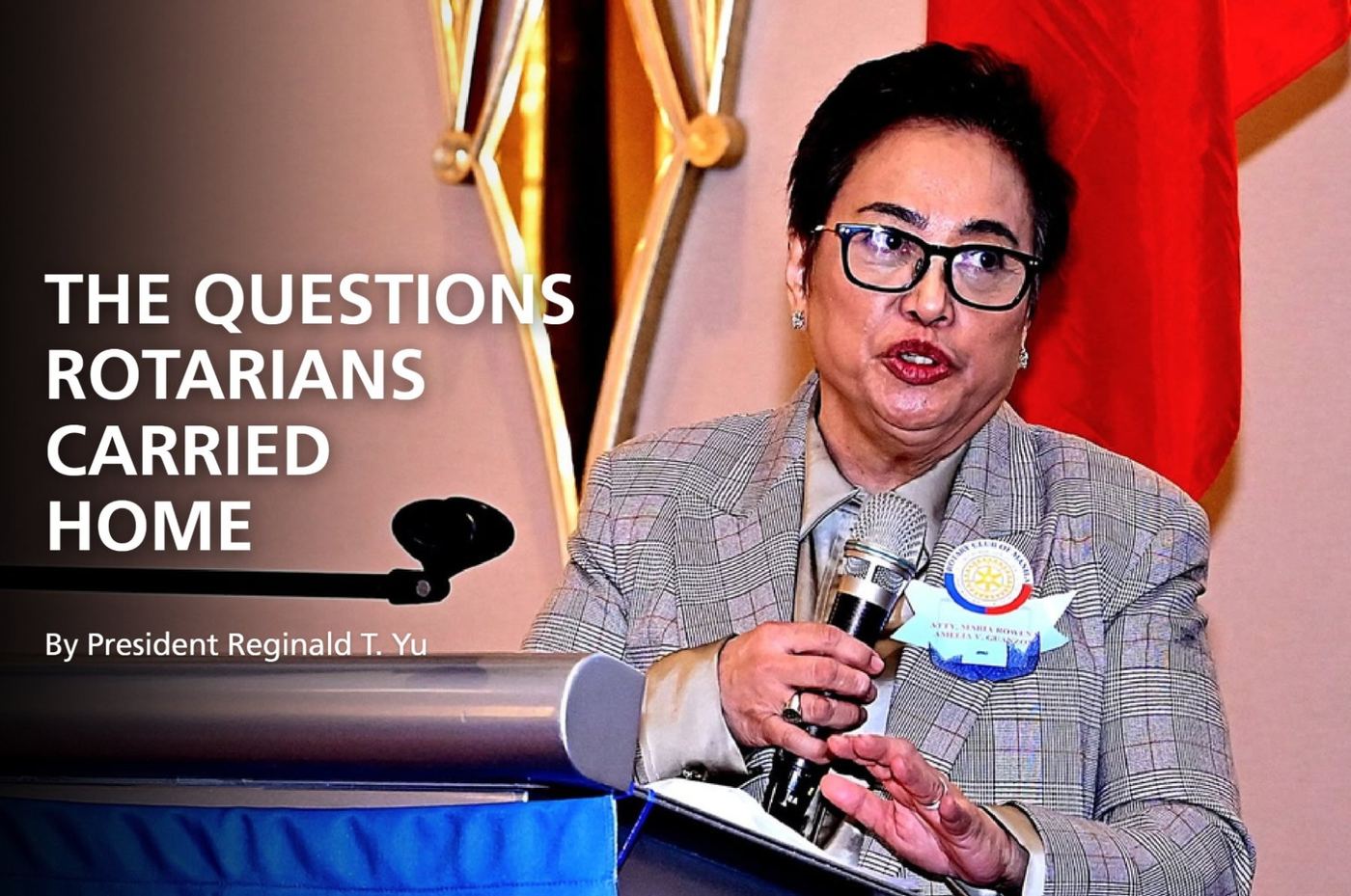
The question, familiar to Rotarians through the Four-Way Test, took on renewed urgency during the Rotary Club of Manila's 12th Weekly Membership Meeting. Guest speaker Atty. Rowena "Bing" Guanzon raised it in the context of political power, constitutional processes and the treatment of public officials. By the end of the afternoon, it had also prompted reflection on business, workers' welfare and the country's future.
"IS THIS FAIR?"
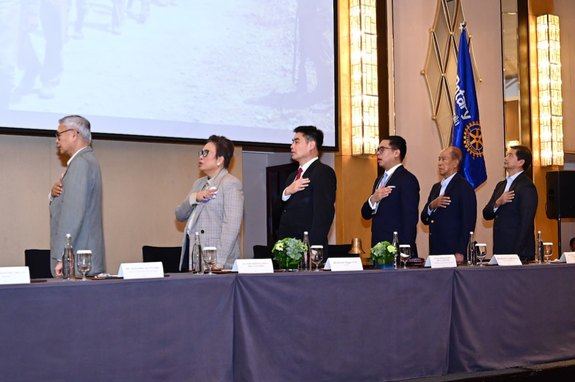
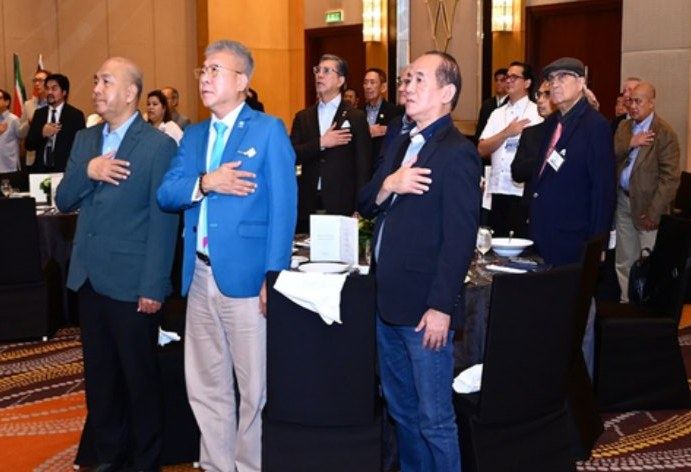
Held at Fairmont Makati, the meeting brought together the club's regular program of fellowship and service with a wide-ranging discussion of national affairs. The gathering opened with an invocation, the national anthem, the Rotary Club of Manila Hymn and the recitation of the Four-Way Test. The prayer called for wisdom and humility among the club's leaders and for discussions guided by truth, fairness, goodwill and service to others.
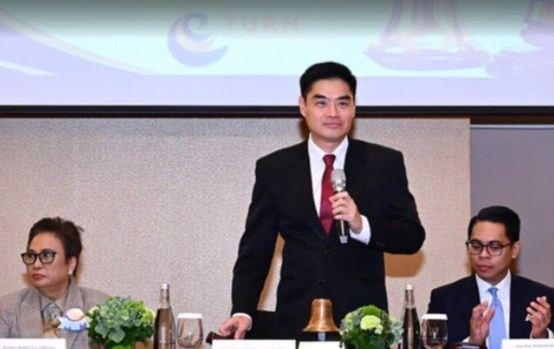
The program also recognized the week's birthday celebrant, Director Nico Valencia.
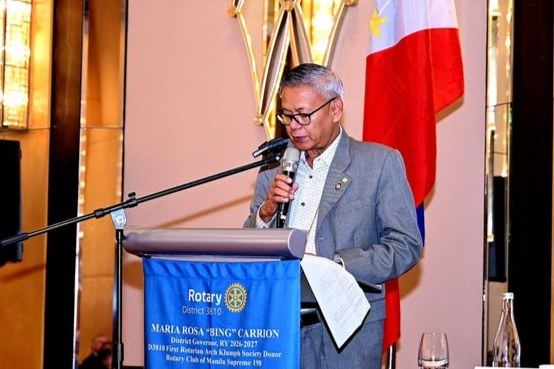
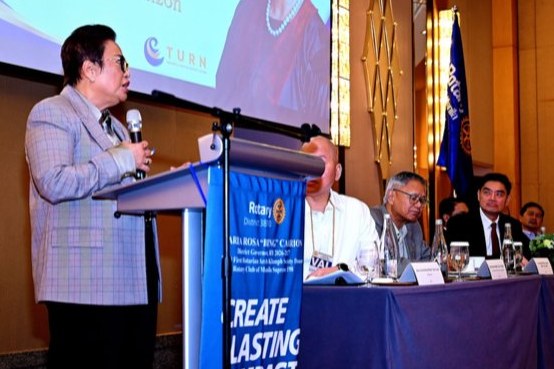
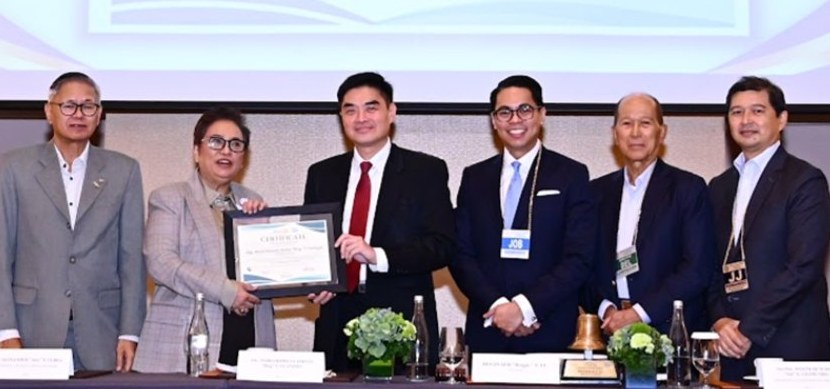
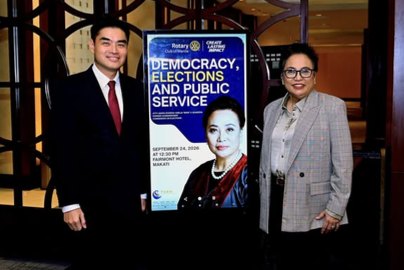
Past District Governor Alex Cureg introduced Atty. Bing, outlining her work in local government, constitutional commissions, legal education and advocacy. Her public service included a term as mayor of Cadiz City and service in the Commission on Audit and the Commission on Elections. PDG Alex also noted her education at the University of the Philippines and Harvard Kennedy School, and her advocacy for women, children and persons with disabilities.

Atty. Bing began by acknowledging relatives, friends, former students and fellow Kennedy School alumni. She then recalled her years in Cadiz City, Negros Occidental, and Rotary's contribution to the city's effort to achieve zero polio.
The recollection linked the meeting's political discussion to Rotary's community work. For Rotary Club of Manila President Reginald T. Yu, it was a reminder that service projects can leave a lasting impression beyond the reports and photographs that document them.

President Reggie later observed that the recollection connected the meeting's political discussion to Rotary's community work.
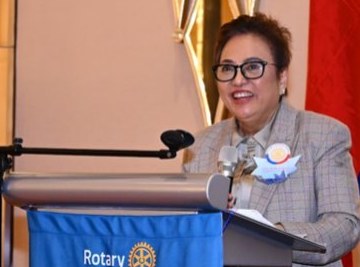
Atty. Bing spoke about truth, fairness and patriotism, mixing personal anecdotes and humor with sharp criticism of the country's political, economic and social conditions. Her address included strong political views and broad allegations, which she presented as her assessment of the national situation.
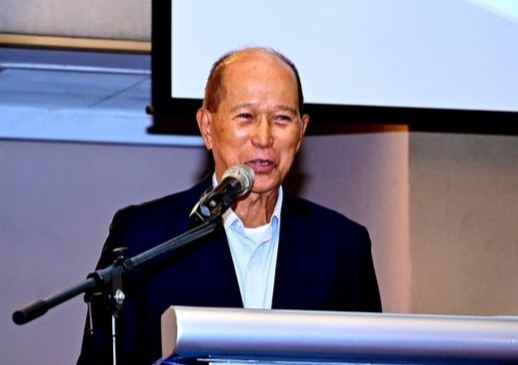
On the economy, she discussed investment, inflation, interest rates, the exchange rate, public borrowing and the pressures facing businesses and households. She argued that uncertainty in government and weaknesses in public administration could discourage enterprise and worsen the difficulties of ordinary Filipinos.
Atty. Bing connected household hardship with the health of businesses, noting the pressures families face when more of their income goes to food and education, and the consequences for workers when investment falters. She also raised concerns about education, job readiness and the departure of skilled Filipinos for work abroad, including nurses and overseas Filipino workers.
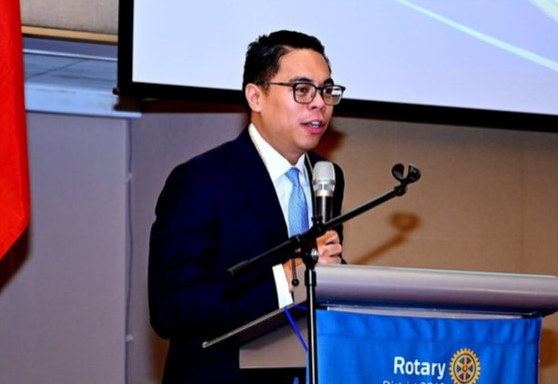
She urged employers to comply with regulations, reject bribery and invest in workers' skills, even when those skills may eventually enable employees to pursue opportunities elsewhere. President Reggie said the appeal connected professional responsibility with Rotary's commitment to service.
The address's most contentious section concerned impeachment proceedings involving Vice President Sara Duterte. Atty. Bing challenged what she described as a proposed change in how the Senate's required vote should be calculated: whether the threshold should be based on the full 24-member Senate or a reduced number. She argued for the full membership and questioned the fairness of the process.
Her remarks brought the Four-Way Test's question, "Is it fair?" to the center of the meeting. President Reggie reflected that the question applies most forcefully when rules affect political allies or opponents, or when procedure stands in the way of a preferred outcome. It requires people to separate their judgment of an individual from their judgment of the process, and to weigh evidence carefully.
Atty. Bing also said she intended to run for the Senate, describing her decision as a response to what she viewed as a decline in the quality of public leadership. She contrasted the demands of political life with the quieter routines of retirement, including time with her dogs and personal pursuits.
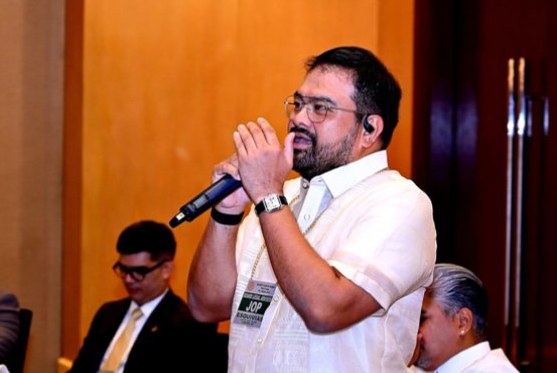
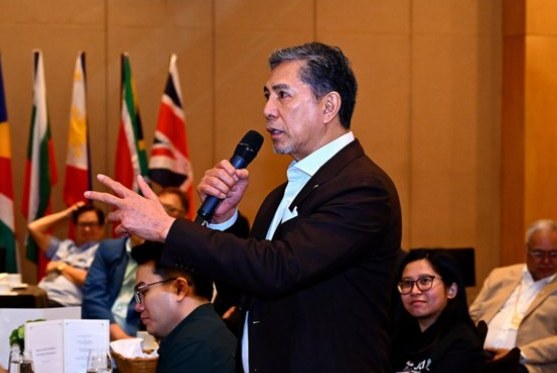
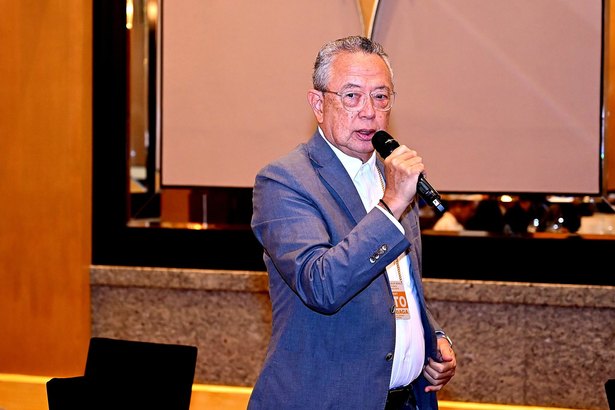
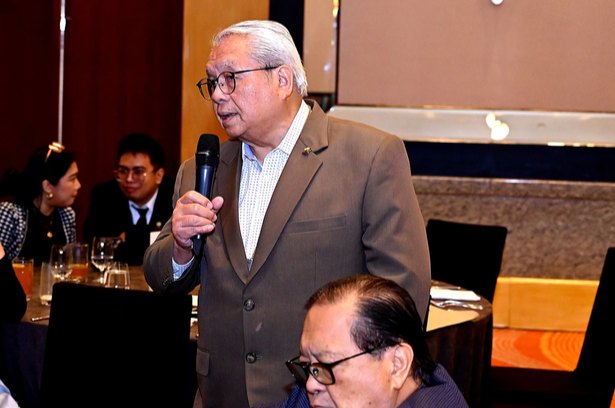
During the open forum, members tested and extended the arguments raised in the address. One asked whether Filipinos were ready for democracy and who, beyond Atty. Bing, could provide good leadership. She defended the electoral process while criticizing what she saw as the concentration of power and weakening checks and balances. She also stated a preference for VP Sara over a candidate representing a continuation of the current administration.
Another member asked whether a third option might be available and raised the name of Gilbert "Gibo" Teodoro Jr. Atty. Bing acknowledged Gibo's qualifications and capability, while questioning his electoral appeal. The exchange turned to the challenge of balancing competence with the ability to earn public confidence, and the difficulty of treating popularity as a sufficient measure of fitness for office.

A further question asked what might happen to VP Sara's political prospects if the impeachment proceedings produced the outcome Atty. Bing anticipated. She expressed confidence that the Supreme Court could overturn actions she
considered improper. Her response reflected her legal assessment and prediction, while the question pressed her to explain the consequences of her argument.

Members also raised the possibility of a parliamentary system and asked whether it could address concerns about political confidence and accountability. Atty. Bing said she was open to considering the proposal and welcomed a further briefing.
A former student, who recalled Atty. Bing as one of his most valued professors at the UP College of Law, asked how much weight should be given to opinions expressed by former Supreme Court members in the constitutional debate. She distinguished among those views and explained which reasoning she found more persuasive.
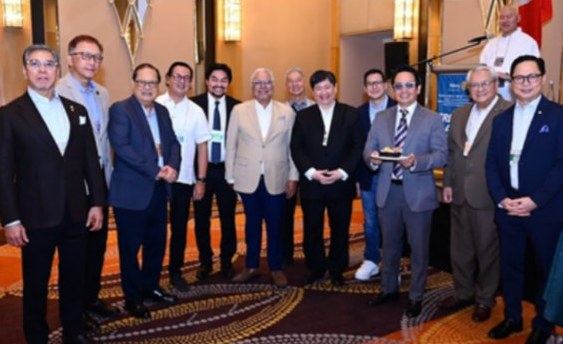
The final question concerned the International Criminal Court and the transfer of former President Rodrigo Duterte to the Court. Atty. Bing criticized the transfer and expressed skepticism about the institution's future, raising broader questions about sovereignty, domestic judicial processes and accountability.
Throughout the forum, Atty. Bing's responses were emphatic. The exchanges gave members an opportunity to probe her conclusions, ask about their implications and introduce alternative perspectives. President Reggie later described that kind of engagement as valuable to a club: members can hear a strong position, examine it and exercise independent judgment within a community sustained by fellowship.

The meeting also included the report of Immediate Past President Raoul C. Creencia, chairman of the Committee on Election, and the announcement of the club's election results. Incumbent Director Atty. Teodoro "Teddy" Kalaw IV was elected president, while incumbent Treasurer Arvin "Arik" Carranceja was elected vice-president for Rotary Year 2027–2028. Their election underscored the importance of orderly procedures and member participation within the club, President Reggie said.
The afternoon began with Atty. Bing's recollection of Rotary's work to protect children from polio and ended with questions about the country future generations will inherit. Between those points, the discussion moved across public institutions, household pressures, employment, education and individual responsibility.

President Reggie said the conversation reinforced the connection between service and public life. Rotary's work responds to immediate needs, he reflected, while also asking members to remain attentive to the conditions that allow those needs to persist. Children's health, workers' prospects, family security and public confidence in institutions all belong to the same shared life.
The meeting could not resolve every national question. But, President Reggie said, it left members with reason to ask more carefully, examine claims more closely and remain faithful to the responsibilities within their reach.
As the discussion concluded, one question lingered: "Is this fair?" For President Reggie, it was a question to carry beyond the meeting, to public power, to the choices facing the country and to each person's conduct in the work of service.

 Our Waters, Our Responsibility
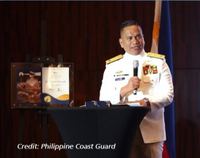 Rear Admiral Jay Tristan Tarriela
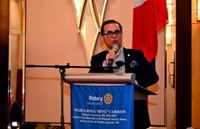 Election of the Board of Directors of the Rotary Club of Manila for Rotary Year 2027–2028