

Roots of Service
Tree-planting initiative brings together Rotarians, government personnel, Xavier students and alumni, parish partners, and Indigenous forest stewards
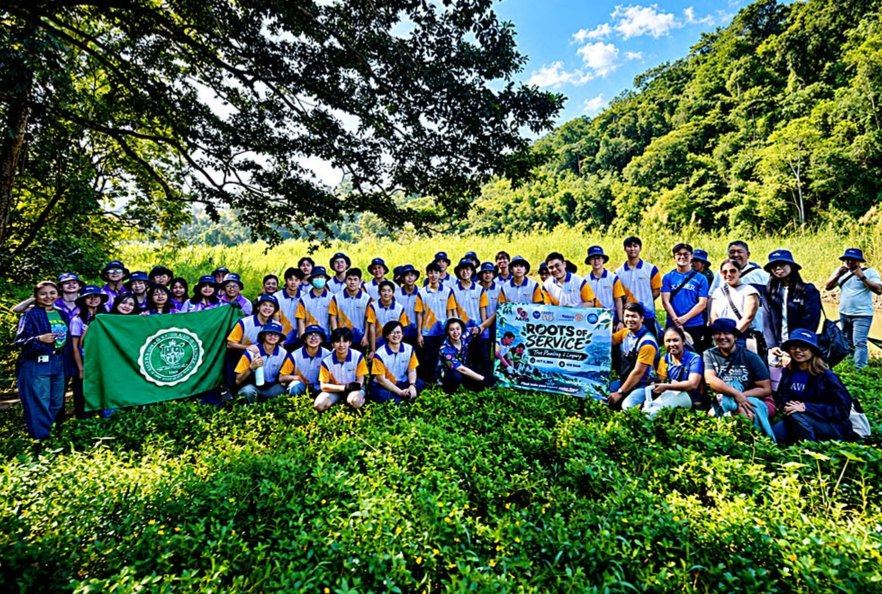
The seedlings planted at Ipo Watershed on October 3, 2026, will need years to mature. For the volunteers who took part, the day offered an immediate lesson in the cooperation and continuing care needed to protect a vital water source.
The Rotary Club of Manila joined the Metropolitan Waterworks and Sewerage System Regulatory Office (MWSS RO), in partnership with the Alumni Association of Xavier School (AAXS) and Mary the Queen Parish Church, for an activity themed “Roots of Service: Tree Planting a Legacy.”
The project formed part of the MWSS RO’s “29,000 Trees for 29 Years” initiative, an anniversary commitment to plant 29,000 seedlings through a series of activities at Ipo Dam Watershed in support of the government’s Expanded National Greening Program. The October 3 planting contributed to that broader target.
For Rotary Club of Manila President Reginald “Reggie” Yu, the undertaking connected environmental responsibility with two communities central to his life: Rotary and Xavier School. An alumnus of Xavier’s Class of 1984, President Reggie welcomed the opportunity to serve alongside students, educators, fellow alumni, and institutional partners.
The activity also gave practical expression to Rotary’s Service Above Self ideal, linking environmental protection with the welfare of communities that depend on the watershed.
A shared responsibility upstream
Ipo Watershed’s importance extends far beyond the planting site. As part of the larger water system serving the metropolis, its condition affects households, schools, workplaces, and communities downstream.
Trees help hold soil in place, reduce erosion and sediment entering waterways, provide habitat, and support forest recovery. These benefits depend on seedlings surviving and growing, making planting the beginning of a longer process of stewardship.
In his reflection on the project, President Reggie emphasized that environmental service requires attention to both immediate needs and future responsibilities. The activity offered participants a closer view of the landscape behind an everyday necessity often taken for granted: water.
“The photograph may record the planting. The years that follow determine its lasting value,” President Reggie wrote.
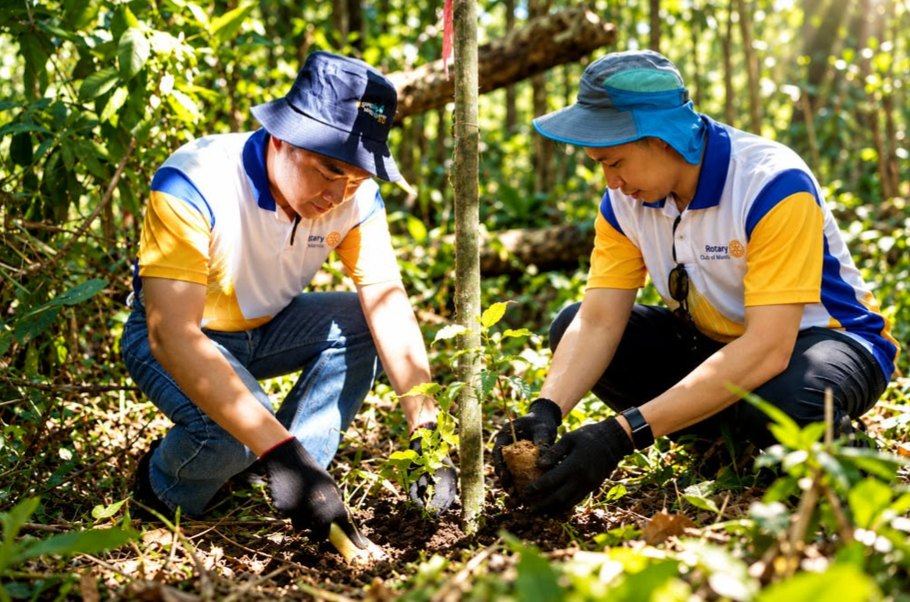
That perspective placed the day’s work within a continuing obligation to support forest protection, seedling care, and the people responsible for maintaining the watershed.
Partnerships that make planting possible
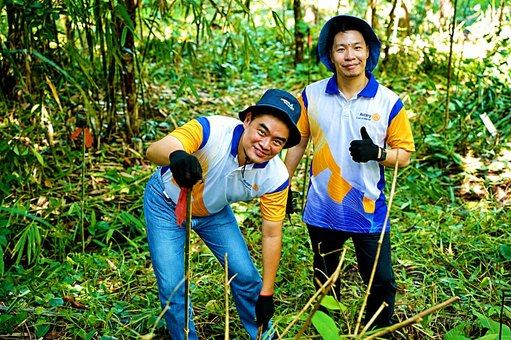
The MWSS RO, headed by Chief Regulator Atty. Patrick Lester N. Ty, a Xavier School alumnus from the Class of 1995, provided the broader initiative through which the participating organizations contributed. Its cooperation with the Department of Environment and Natural Resources and Bantay Gubat connected the activity to existing watershed reforestation and protection efforts.
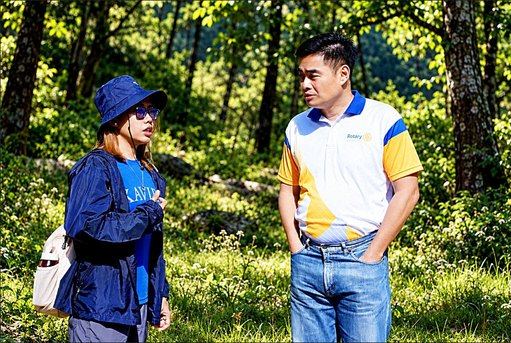
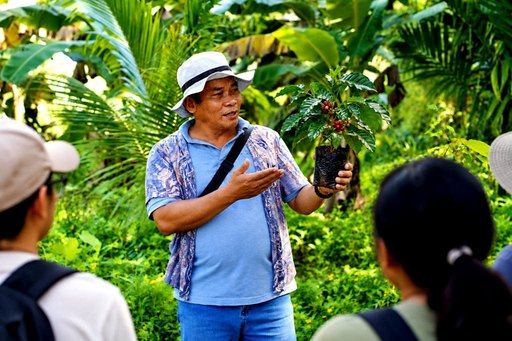
Participants received assistance from Renato L. Rodriguez Jr. and Jezreel “Bean” Pucio, Chief Administrative Officer and Environmental Committee Chairperson of the MWSS RO, as well as several forest rangers from the Dumagat Indigenous community.
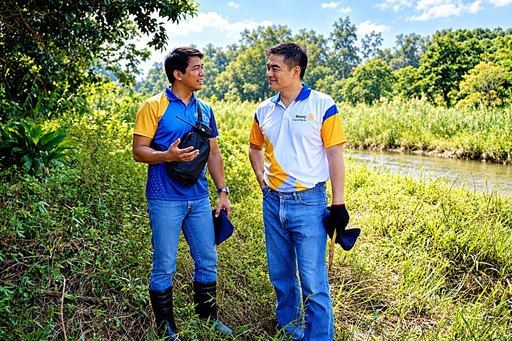
Their involvement helped connect visiting volunteers with the personnel and local stewards whose work continues between organized planting activities.
The Rotary Club of Manila contributed its service network, while AAXS brought together alumni across generations alongside the Xavier School Student Council. Mary the Queen Parish Church added its community participation, bringing a shared concern for creation and community welfare into the undertaking.
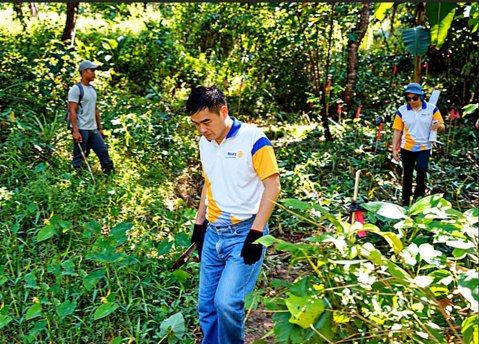
For President Reggie, these partnerships demonstrated how professional, educational, parish, and civic relationships can bring people into a common effort. Each organization offered a different connection to the project, united by a willingness to contribute.
Learning through participation
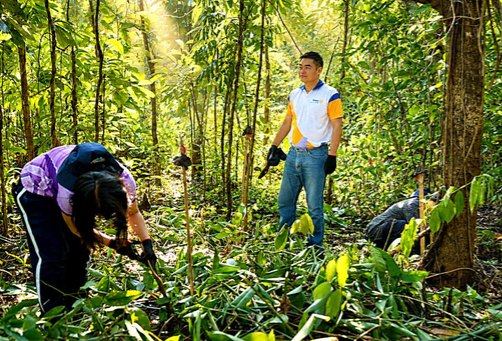
The Xavier and alumni delegation comprised 40 participants, including 21 students, six teachers, two school security personnel, 10 AAXS participants, and a photographer.
The students’ involvement gave the project an educational dimension. Working alongside adult volunteers and local stewards offered them an opportunity to connect environmental responsibility with a specific place and a practical task.
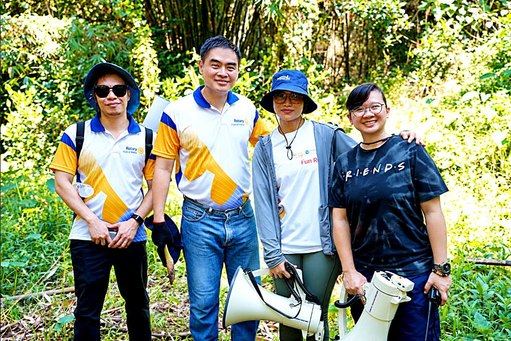
President Reggie viewed their participation as especially meaningful. The young volunteers were contributing to an undertaking whose benefits could extend into their adulthood, while gaining experience in the preparation, cooperation, and individual effort required for community service.
AAXS was represented by Trustee Sean Kennedy Salvador, Xavier School Class of 2024, and Special Adviser to the President Mark Severino Ongchuan, Class of 1994.
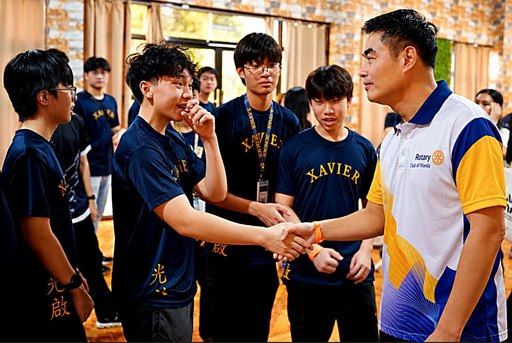
Lingkod Committee Chair Patrick Del Pilar and Vice-President for Student Organization Edward Justin Tanco helped organize the project, particularly its logistics. Victory Liner provided transportation, while teachers and school security personnel supported the delegation.
Their contributions underscored the preparation behind the field activity. Bringing students and volunteers to the watershed required coordination well before the planting began.
Recognizing the watershed’s continuing stewards
The participation of Dumagat forest rangers brought attention to the people for whom watershed protection is a daily
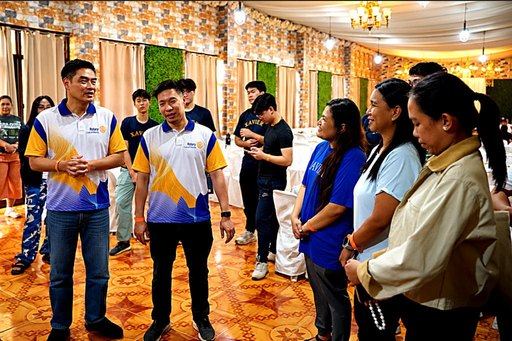
responsibility. Bantay Gubat ng Ipo rangers, many from the Dumagat Indigenous community, patrol the watershed, help protect it against illegal activities, and support forest recovery. Their work continues long after visiting groups have completed their activities.
For these communities, the watershed is also home and a source of livelihood. Their role illustrates the connection between conservation and economic opportunity, particularly when protecting the forest provides meaningful work close to home.

President Reggie's reflection stressed that visiting volunteers should recognize local knowledge and the continuing effort required to care for the land. Contributions of time and resources, he noted, should be accompanied by respect for the communities with a lasting stake in the watershed's future.
“We arrive with a desire to help; we should also arrive ready to learn,” he wrote.
The project's connection to community economic development lay in this recognition that environmental protection and local welfare are closely linked. Sustaining conservation requires attention to both the forest and the people who safeguard it.
Fellowship after the fieldwork
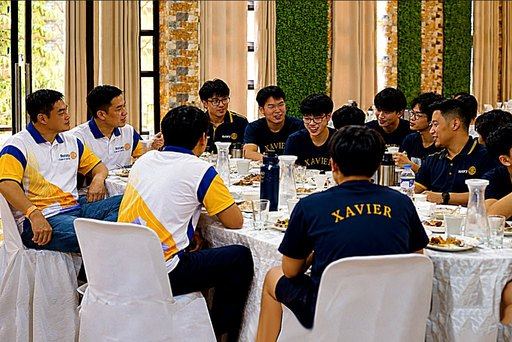
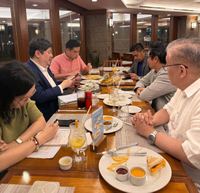
The activity also provided time for participants to build relationships beyond their planting responsibilities. STAR Rotarian Myles Yeo Tan, a Xavier School alumnus from the Class of 2004, provided the buffet lunch, bringing volunteers together for fellowship after the fieldwork.
For President Reggie, the shared meal offered a way to express appreciation and strengthen connections among participants. Relationships formed during service activities can provide a foundation for future collaboration, particularly when students, educators, alumni, and civic volunteers have opportunities to get to know one another.
The gathering extended the day's value beyond the planting site, reinforcing the community ties that helped make the project possible.
A commitment beyond a single visit
The October 3 activity concluded with a responsibility that would continue beyond the event. Seedlings require suitable conditions and care, forests need protection, and local stewards need sustained support.
President Reggie expressed hope that the experience would deepen the Rotary Club of Manila's commitment to thoughtful, collaborative environmental service. Participation, in his view, should lead to continued attention to the work that allows planting efforts to endure.
The project's theme, "Tree Planting a Legacy," encompassed several possible outcomes: a healthier landscape, stronger institutional partnerships, and young volunteers developing a lasting interest in service.
It also echoed the words of environmentalist and Nobel Peace Prize laureate Wangari Maathai, quoted in President Reggie's reflection: "It's the little things citizens do. That's what will make the difference. My little thing is planting trees."
At Ipo, that idea took shape through the combined efforts of Rotarians, government personnel, students, educators, alumni, parish partners, and Indigenous forest stewards. Each contributed to an undertaking whose success will depend on what happens after the planting day.
For President Reggie, the project's message: "Plant today. Serve tomorrow. Leave a legacy." carried an obligation to remain responsible for what had been started.
The seedlings' growth will be one measure of that commitment. The partnerships and continuing care supporting them will be another.
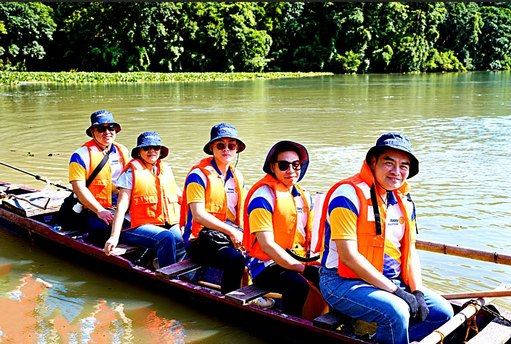
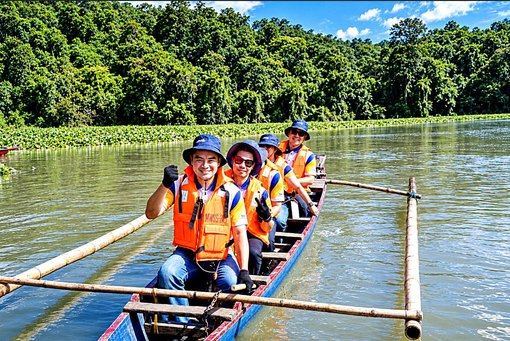
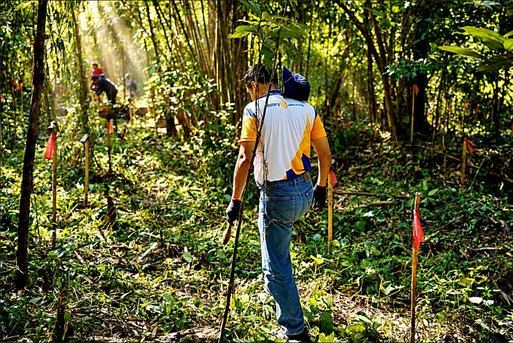
“Cut bamboo leaves laid along the trail made the journey a bit easier, but the scorching sun and deep puddles still left me tired, with thoroughly soaked shoes! It was a memorable part of our participation in the "29,000 Trees for 29 Years" initiative and a humbling glimpse of the conditions local forest stewards regularly face. Every careful step gave me greater appreciation for their work. For all the heat, mud, and discomfort, I was grateful to be there, contributing alongside our volunteers and putting "Service Above Self" into practice.”

 Cold Beer Across the Centuries
 Understanding the West Philippine Sea
 PE/Dir. Teddy Kalaw Convenes Board of Directors for RY 2027-2028