

Before the School Bell Rings
President Reginald T. Yu reflects on the Club's November 6 forum on school-based violence with JuanHand and the University of Asia and the Pacific.

A student sees a threat in a group chat. It may have been meant as a joke. The student reads it again and thinks about who sent it, who else has seen it, and what might happen if a teacher finds out. Reporting it means taking a chance on the adults. Staying quiet means carrying it into school the next morning.
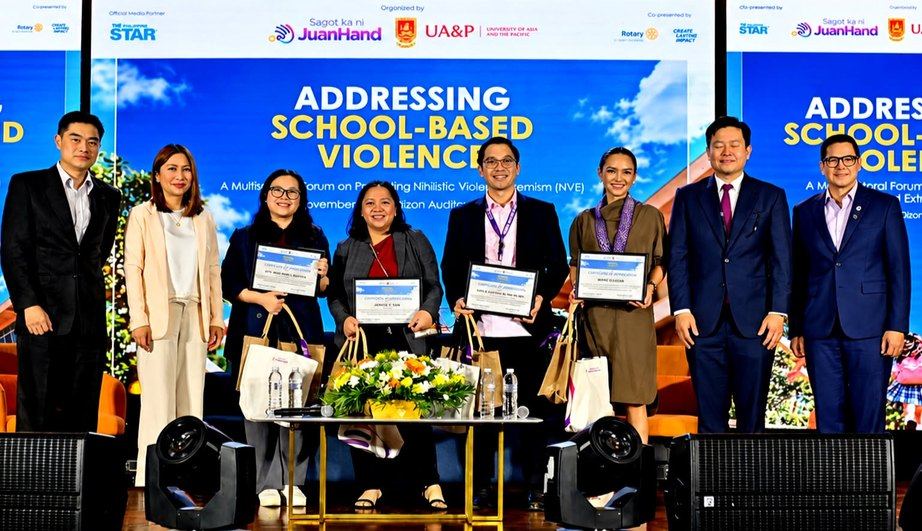
I have thought about that moment since November 6, 2026, when the Rotary Club of Manila joined JuanHand and the University of Asia and the Pacific for a forum on school-based violence. At the close of the afternoon, our moderator, lawyer Karen Jimeno, drew our attention back to the commitment wall in Dizon Auditorium. Participants had put their pledges there. She called it a beginning. As president of our club, I found myself measuring those pledges against the few seconds in which a young person decides whether to ask for help.

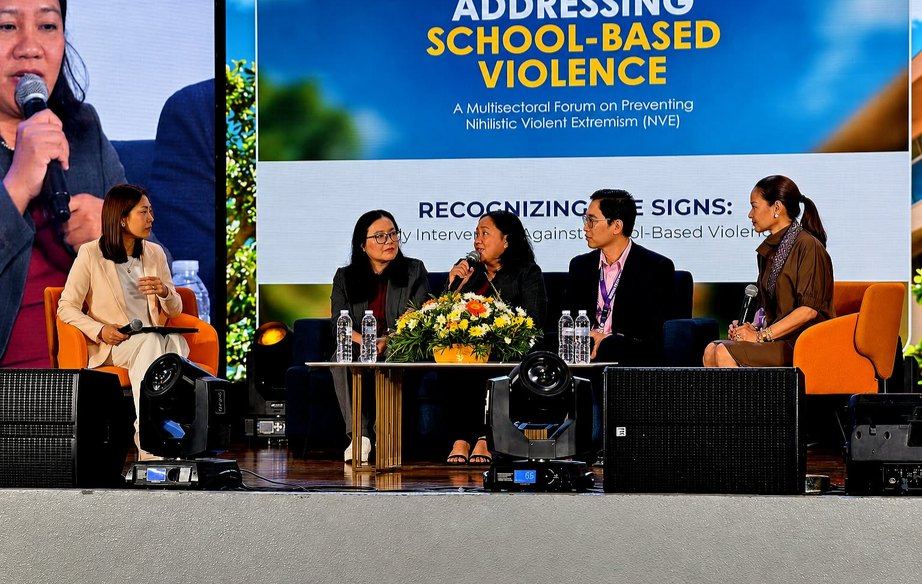
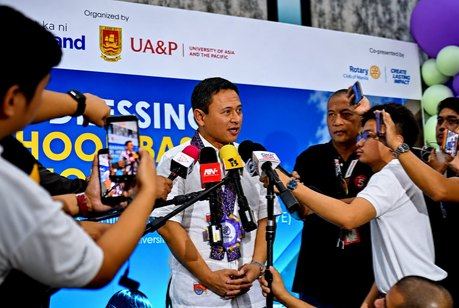
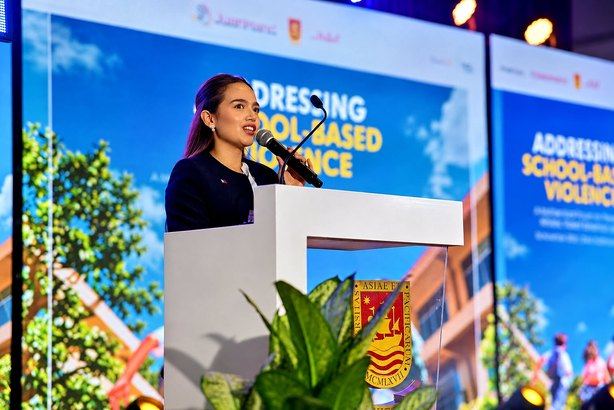
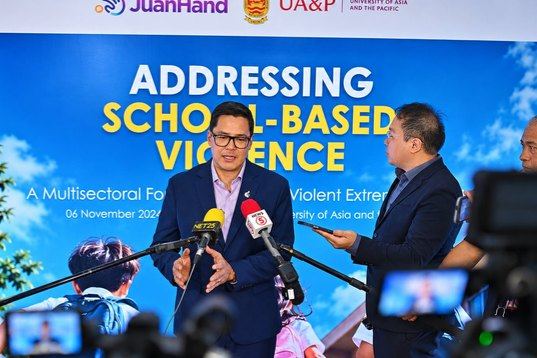
JuanHand, the Philippine mobile lending platform operated by WeFund Lending Corporation, organized the forum in partnership with the University of Asia and the Pacific. Our club served as co-presenter. Our fellow Manila Rotarian Francisco Roberto "Coco" Mauricio, JuanHand's president and chief executive officer, helped bring the partners together. We called the forum Addressing School-Based Violence: A Multisectoral Forum on Preventing Nihilistic Violent Extremism (NVE). The title described the breadth of the undertaking. The story Coco told at the end of the day explained its urgency. The idea had come up over tea and coffee with his external affairs team.
Coco had been following the reports of violence as a father of two school-age daughters. He remembered asking his colleagues, "Can we do something about it?"
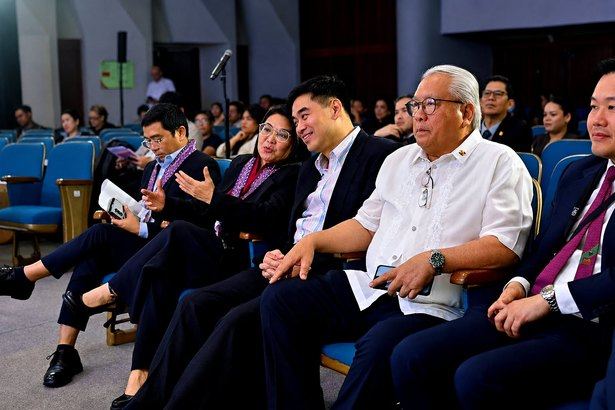
By the time we gathered in Pasig City, the question had drawn educators, public officials, child protection advocates, law enforcement personnel and cybersecurity specialists into the same auditorium. Each had reason to be there. A school may receive the first report. A technology company may hold information an investigator needs. A social worker may meet a family after the worst has happened. I wanted our club to help bring those people into conversation while there was still time to learn what they needed from one another.
In her synthesis, Atty. Karen recalled the shootings in Tacloban City, Zamboanga and South Cotabato, along with reports of stabbings, assaults and bomb threats elsewhere in the country. Naming those places brought the discussion back to the daily life of a school. There are classrooms to open, lessons to teach and children whose parents expect them home at the usual hour. After violence, a school has to carry on with those ordinary duties while helping its students feel safe enough to return.
The forum examined a particular question raised by the recent incidents. What happens when a young person finds an online community where cruelty brings attention and the prospect of real harm brings approval? The term nihilistic violent extremism describes violence that can be driven by a desire for chaos, notoriety or recognition without a coherent political or religious cause. A young person may act alone in the physical world after spending months in a digital one where others applaud threats or encourage imitation. The part such influence plays, if any, has to be established through investigation in each case.
In Beyond School Security, a speech prepared for our club, retired police major general Felizardo Manalo Serapio Jr. brought that discussion to the dinner table. A child can sit within reach of the people who love them and still feel they have nowhere to take a fear or a humiliation. Someone online may be offering attention in exchange for secrecy or escalating demands. The people at home may know which app their child uses and have very little idea what it has come to mean in that child's life. Serapio urged families to take threats, coercion and a persistent fascination with real-world violence seriously, with room for compassionate inquiry and professional assessment. I keep thinking about how little a child may say at first. A few words about a classmate, a strange message, a request to stay home. An adult may hear a passing complaint. The child may be waiting to see whether it is safe to finish the story.
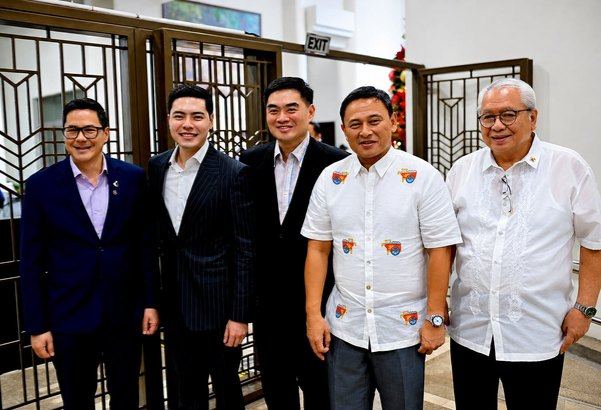
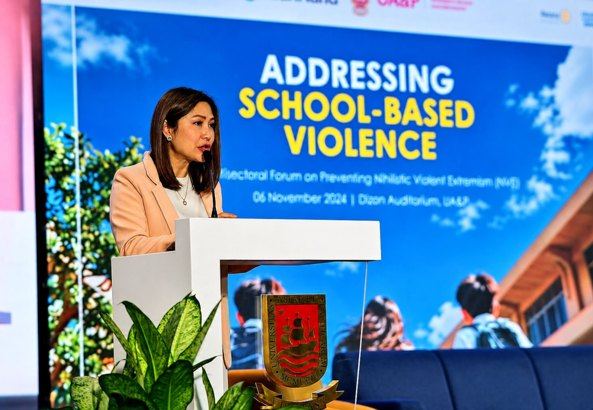
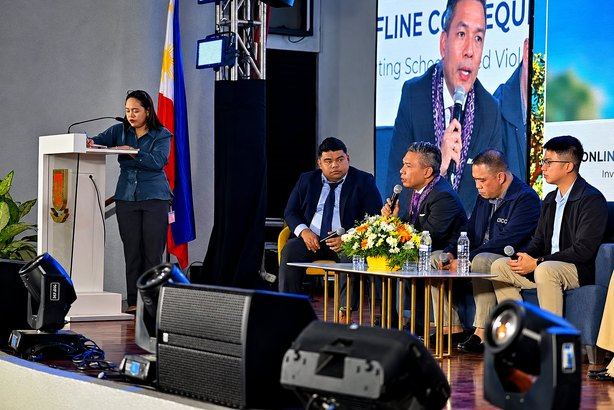
Our first panel examined how online threats are reported, investigated and, where warranted, prosecuted. The danger may be immediate. The facts may still be fragmentary. A teacher who receives a screenshot has to know whom to contact. An investigator has to be able to find out where it came from. Meanwhile, the student who sent it may be worrying about something more immediate than any of that: who will be sitting beside them in class tomorrow.
Atty Karen's synthesis called for accessible, confidential reporting, prompt intervention and protection from retaliation. I heard in that discussion a practical test for any school. Can a child tell someone what happened without first having to work out which office has jurisdiction? Can the adult receiving that report explain what will happen next?

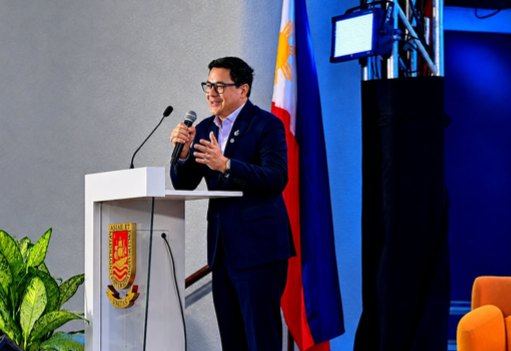
Trust can be lost in the space between those two conversations, especially if a student has to tell the same painful story several times before someone takes responsibility for it.
The second panel brought education, social welfare, child rights and parenting perspectives to the work of intervening early. I was struck by how much can be asked of a school in the aftermath of a single incident. A student who was targeted may need protection and counseling. A witness may be afraid of what classmates will say. A child implicated in the harm may need professional assessment and support alongside a fair process for determining responsibility. Their needs are different, and each child still has to live with what happens when the adults take over.

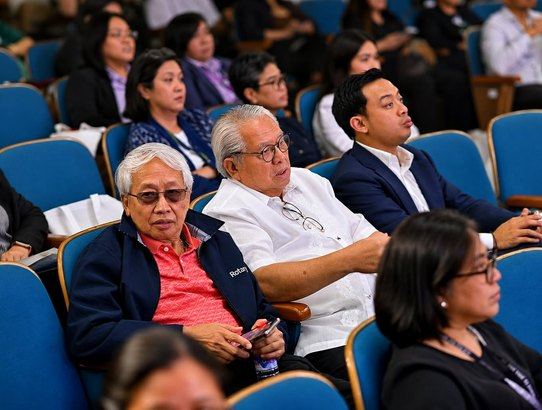
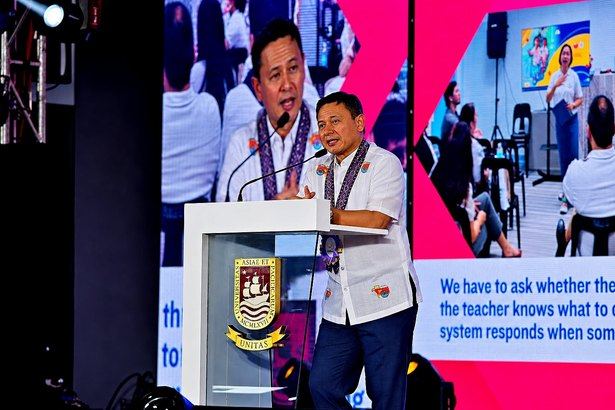
DILG Secretary Jonvic Remulla called for greater accountability from digital platforms. DepEd Secretary Sonny Angara urged schools to foster stronger, more supportive relationships with learners. Their departments had already reached an agreement allowing barangay watch personnel to help secure school vicinities. I can see the value of a tanod at the gate when classes let out. I also think of the student who waits until the others have left before approaching a teacher. Both moments belong in any serious account of how a school keeps its children safe.
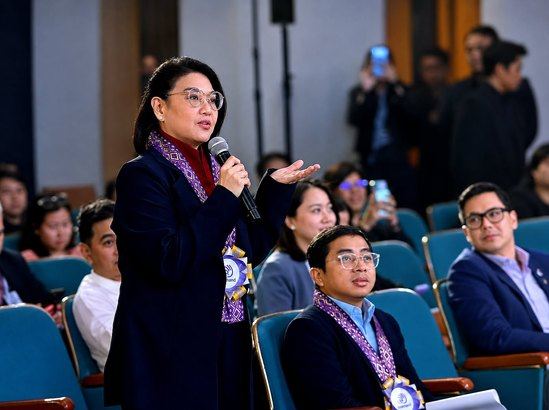
Officer Atty. Claire Castro brought a personal experience to our first panel. She recalled receiving a threatening text while in Cagayan de Oro and asked how quickly police could trace a similar message if it threatened students. She pressed the panel on delays in obtaining subscriber information from telecommunications companies and proposed considering an amendment to the SIM Registration Act to help law enforcement respond more quickly. As a parent myself, I heard in her questions a concern that any parent could understand. A family waiting to learn whether it is safe to send a child back to class feels every hour that passes while a report moves from one office to another.
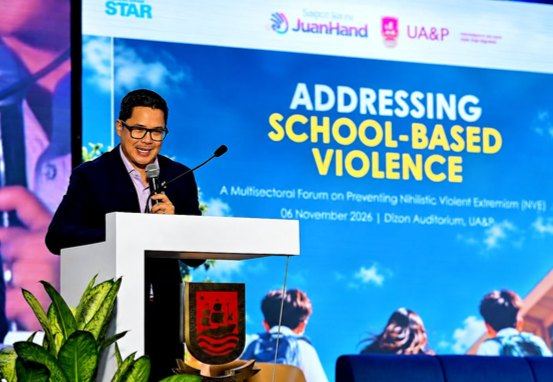
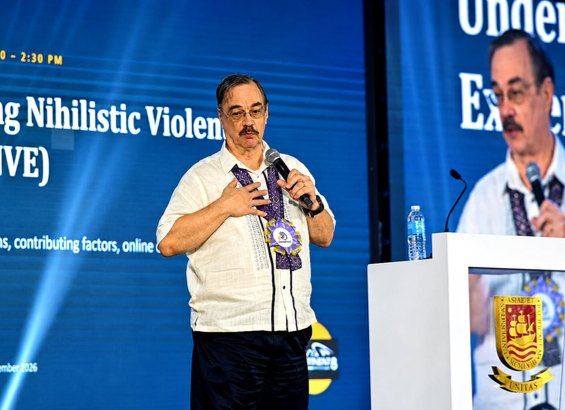
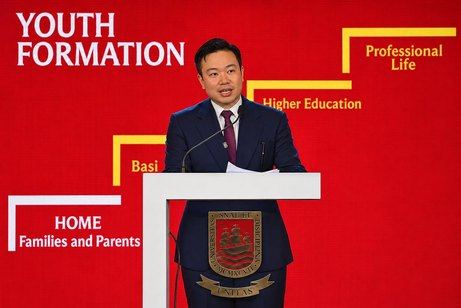
University of Asia Pacific - UAP president Atty. John Philip R. Yeung described the university's efforts to strengthen campus security and improve spaces where students can spend time together. He also spoke of an education that starts long before a student arrives at a university. At home and in school, children learn to live with disappointment, take responsibility and consider what their choices mean for others. Those lessons accumulate quietly. A child may draw on years of them in the instant it takes to decide whether to join in someone else's cruelty, turn away or tell an adult.
For the Rotary Club of Manila, the partnership made it possible to bring people with very different responsibilities around one table. As president, I am interested in what our club can help them do once they leave it. Serapio put several possibilities before us, including parent education, digital literacy, youth mentoring and closer ties between schools and their communities. Each is an opportunity to bring adults into contact with young people before a crisis sets the terms of the conversation.
The forum program also raised the possibility of a dedicated information or reporting resource. I would judge its usefulness from the point of view of a parent trying to make sense of a disturbing message after office hours. Could that parent find out where to turn, what information to share and who might respond? A family should be able to understand the next step at the very moment when it is hardest to think clearly.
Coco closed by calling for young people to take part in future forums. That is the invitation I most want us to carry forward. A student can tell us which teacher they would trust, where they could speak without being overheard and what they would risk if a report became public.
We may think we know the answers because we once went to school ourselves. The students there now are the ones who know what it costs to speak.
I think again of the wall in Dizon Auditorium. Our pledges were made in a room where everyone had come to talk about prevention. The next warning may reach us somewhere far less orderly, in a hurried message before class or in a conversation a child nearly talks themselves out of having.
What I want our club to help make possible is a different ending to that moment. The student closes the chat, goes to school and knows which door to knock on. Someone opens it. The child gets to finish the story.

 Five Generations, One Group Chat
 Pauline Fermin
 An Afternoon with the First Lady
