
A Rotary Club of Manila policy dialogue asked how the Philippine National Police might measure the work that matters most to the public, beyond arrests and crimes cleared.
By President Reginald T. YuRepresentatives of the Philippine National Police, NAPOLCOM, DILG Philippines, the academe, and the Rotary Club of Manila gather at the Grand Westside Manila Bay on September 21, 2026, for Rethinking Police Performance. The policy dialogue explored how police service might be measured through community safety, trust, and problems resolved, alongside traditional enforcement figures.
An arrest can be counted. A crime prevented is harder to see. So is a dispute settled before it turns violent, a victim treated with care, or a community's growing willingness to trust the police.
That difference lay at the heart of a policy dialogue convened by the Rotary Club of Manila at the Grand Westside Hotel. Bringing together police officers, government representatives, academics, civic leaders and people with firsthand experience of the justice system, the forum asked how the Philippine National Police might measure the work that matters most to the public.
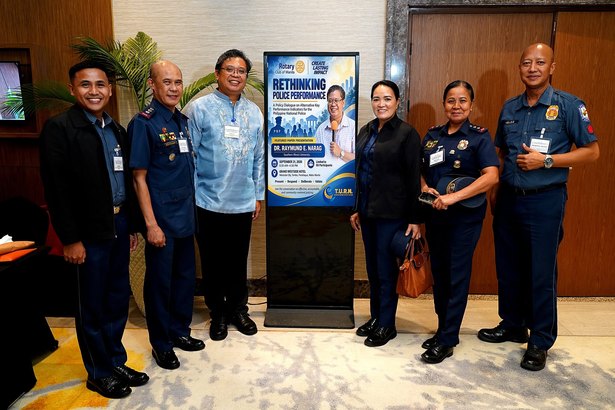
PNP representatives share a moment of fellowship during the Rotary Club of Manila's policy dialogue on police performance at the Grand Westside Hotel. Their presence brought the perspective of those who serve on the ground to a conversation about community trust, sound judgment, and meaningful measures of police service.
Titled Rethinking Police Performance: A Policy Dialogue on Alternative Key Performance Indicators for the Philippine National Police, the gathering centered on a proposal by criminologist Dr. Raymund E. Narag. He urged participants to examine whether performance measures that emphasize arrests, cases filed and crimes cleared could be complemented by measures of prevention, problem solving, service to victims, fair treatment and public trust.
The question was practical as well as philosophical. When an institution rewards certain results, its personnel have reason to pursue them. Rotary Club of Manila President Reginald T. Yu told participants that a good officer's work may also be found in an offense prevented, a vulnerable person helped or a conflict resolved before it enters the criminal justice system.
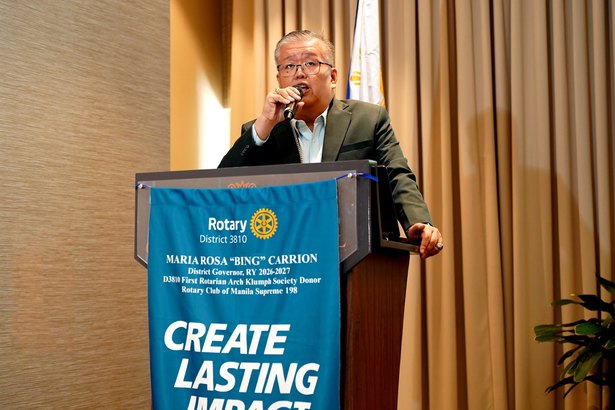
President Reginald Yu addresses participants during the club's policy dialogue on alternative performance indicators for the Philippine National Police. The forum invited a closer look at how police service can be judged by the safety, fairness, and trust experienced in the communities officers serve.
Narag presented his proposal as a starting point for discussion, inviting the agencies that would have to use any new indicators to test its assumptions. A measure of community satisfaction, for example, would need a credible way to gather responses. A measure of cases dismissed would have to account for decisions made by prosecutors and courts after police involvement ends.
Police Colonel Florian Reynado brought the perspective of officers working within the system. His participation helped ground the discussion in the decisions police make in actual communities, where the appropriate response depends on the circumstances and lawful enforcement remains necessary.
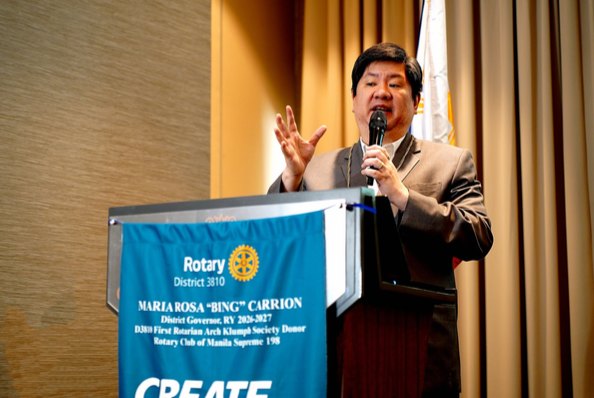
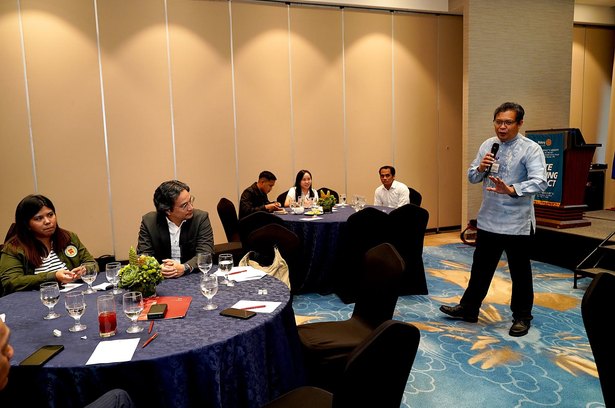
Dr. Raymund Narag presents his research on alternative performance indicators for the Philippine National Police at the Rotary Club of Manila's September 21 policy dialogue. He invited participants to consider how police service can be measured through problems resolved, victims assisted, and trust built within communities.
For the National Police Commission, Atty. Analiya Y. Ancajas welcomed a broader view of police effectiveness while stressing the work required to make new indicators fair and useful. Data would have to be reliable and comparable across different communities, she said, and any measure would need safeguards against manipulation or unintended incentives. She suggested technical review, consultation and pilot testing before wider adoption.
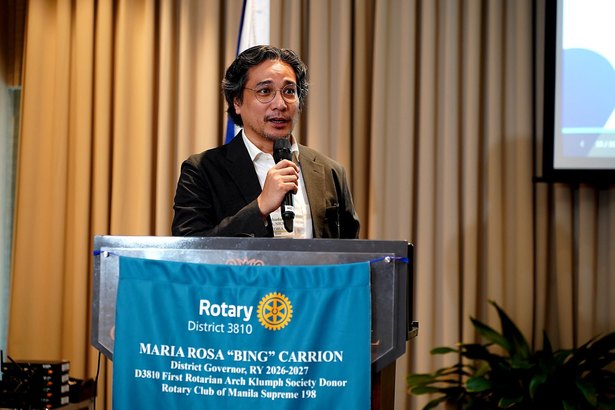
Rotary Club of Manila Director Atty. Teddy Kalaw IV framed the issue through peacebuilding. A police force's success, he argued, should be considered not only after conflict has occurred but also in its ability to help prevent conflict from taking hold. Dr. Nick Tobia of Ateneo de Manila University added the perspective of the academe to a conversation that crossed institutional lines.
Participants from the police, civic leadership, and other sectors listen and take notes during the Rotary Club of Manila's policy dialogue at the Grand Westside Hotel. The September 21 forum brought different perspectives to one question: how can we measure police performance in ways that reflect safer communities and stronger public trust?
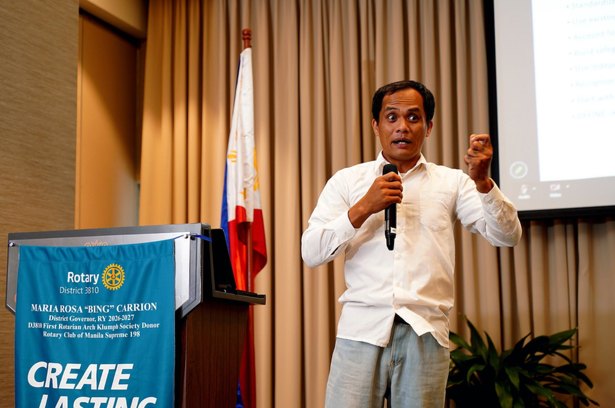
Then Jaymar Adante spoke about his arrest, detention and the long path through the justice system that followed. His account brought the room back to the person behind every statistic. A decision made at the beginning of a case can continue to shape a life years later; trust, once lost, does not return simply because a case is closed.
The forum did not produce a new PNP scorecard. Its proposed next step is to document the discussion, develop recommendations for review and validation by the concerned agencies, and consider testing selected indicators in practice.
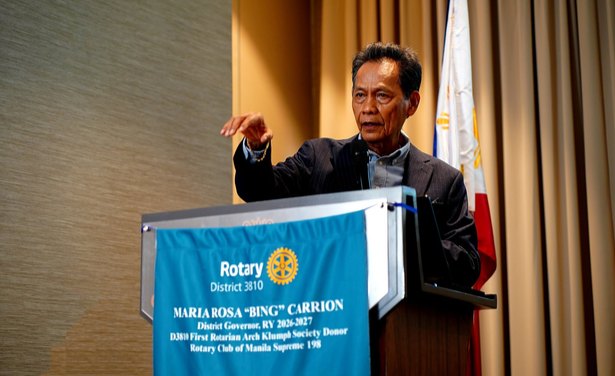
Police Colonel Florian Reynado brings a practitioner's perspective to the Rotary Club of Manila's policy dialogue on police performance. He explains why conflict resolution and proportionate responses must be reflected in the PNP's scorecard if officers are to receive recognition for such work.
For the Rotary Club of Manila, which served as the civic convener, the day opened a more demanding question than how many things police officers do. It asked whether the country can recognize, measure and encourage the police work that leaves people safer, treated fairly and willing to seek help when they need it.
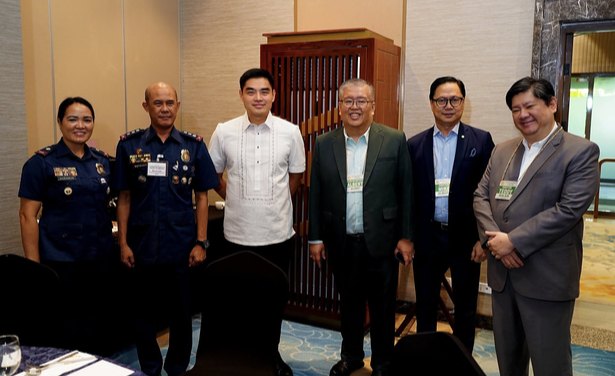
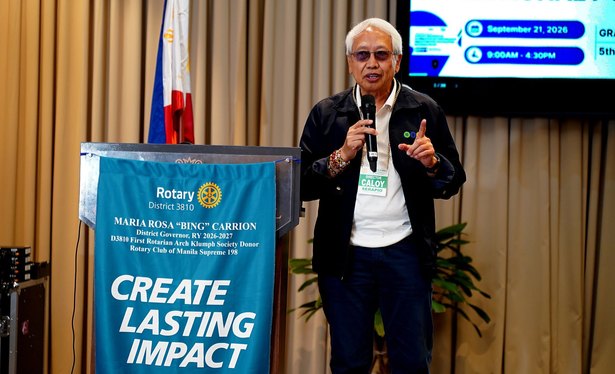
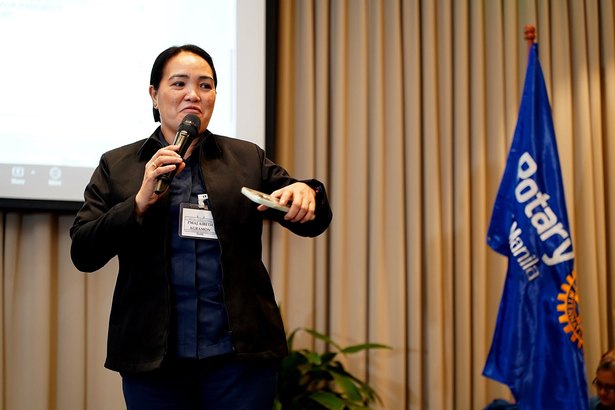
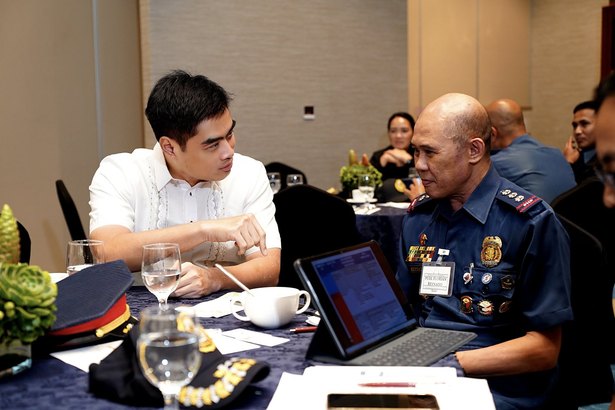
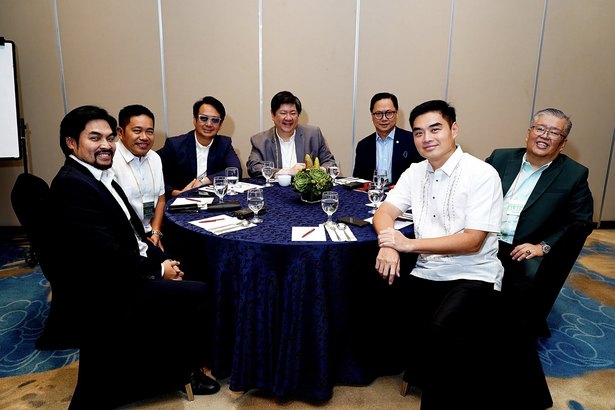
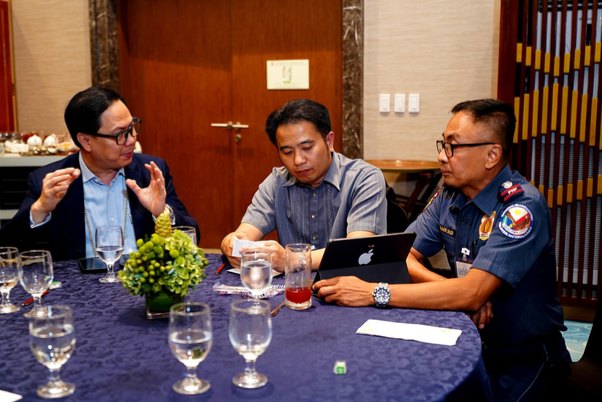
Philippine National Police representatives join Rotary Club of Manila officers for a photo during the policy dialogue. Among them are Police Colonel Florian Reynado, Club Secretary Albert Singson Alday, Director Michael Jaey Albaña, and Director Atty. Teddy Kalaw IV, united in a conversation about measuring police service by its impact on communities.Director Atty. Teddy Kalaw IV frames the September 21 policy dialogue through Rotary's commitment to peacebuilding. He invites participants to look beyond crimes addressed and consider how police work can prevent conflict before it takes hold.Director Atty. Carlos "Caloy" Serapio addresses participants at the forum on rethinking how we measure police performance, adding his voice to the call for meaningful reform.Secretary Albert Singson Alday serves as program moderator for Rethinking Police Performance, guiding the September 21 dialogue among police officials, researchers, civic leaders, and other participants on more meaningful ways to assess police service.Past Director Dean Amado Valdez offers his perspective during the policy dialogue on police performance, adding his voice to the discussion on how stronger institutions can better serve the public.Dr. Nick Tobia of Ateneo de Manila University brings the academe's perspective to the Rotary Club of Manila's dialogue on rethinking how the Philippine National Police measures its performance.Police Major Ajibeth Agramon shares her perspective during the Rotary Club of Manila's dialogue on police performance, bringing the experience of officers in the field into the conversation.Dr. Raymund Narag steps away from the lectern to engage participants directly, turning the forum's central question into a conversation around the room: how should we measure policing that truly serves the public?Jaymar Adante recounts his arrest, detention, and long journey through the justice system. His words brought the forum's discussion of police performance into sharp human focus: behind every indicator is a decision that can shape someone's life for years.President Reginald Yu confers with Police Colonel Florian Reynado during the September 21 policy dialogue. Their exchange reflects the forum's purpose: bringing civic and police perspectives together to develop measures of service that make a difference in people's lives.The Rotary Club of Manila Board of Directors was out in force for the September 21 policy dialogue on police performance. Their presence affirmed the Club's commitment to bringing leaders together for a candid discussion of policing that earns public trust and serves communities well.Director Michael Jaey Albaña exchanges ideas with Philippine National Police representatives during the forum, carrying the conversation on police performance beyond the podium and around the table.Dr. Raymund Narag joins Philippine National Police representatives for a group photo at the Rotary Club of Manila's Rethinking Police Performance forum, where research and firsthand experience met in a shared conversation about better policing.