

Project Alphabet
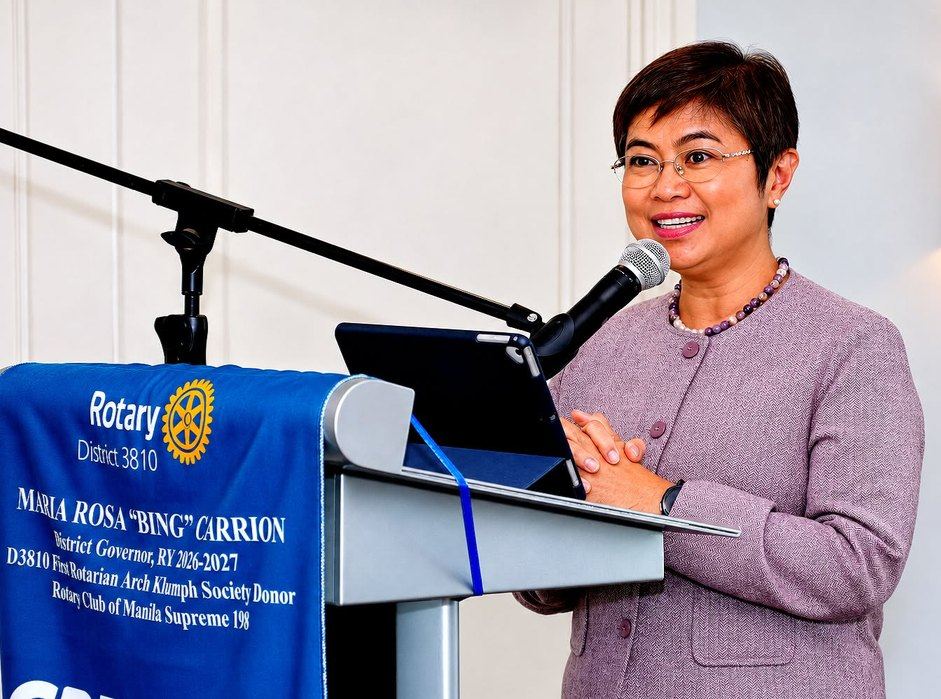
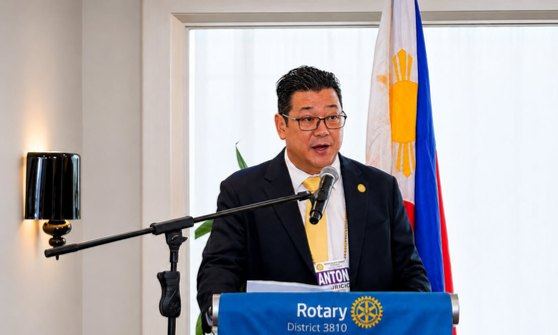
Ms. Pauline Gatera Fermin takes the Rotary podium to explore a question close to our businesses, families, and fellowship: are we ready for the next generation? Drawing on Acumen Strategy Consultants' PROJECT ALPHABET, Pauline invited us to understand the experiences shaping different generations and reconsider how we recognize leadership potential.
A father builds a business over decades. His son becomes its chief executive. The title passes to the next generation, but the decisions remain where they have always been. The father wonders whether his successor is ready. The son wonders when he will be allowed to begin.
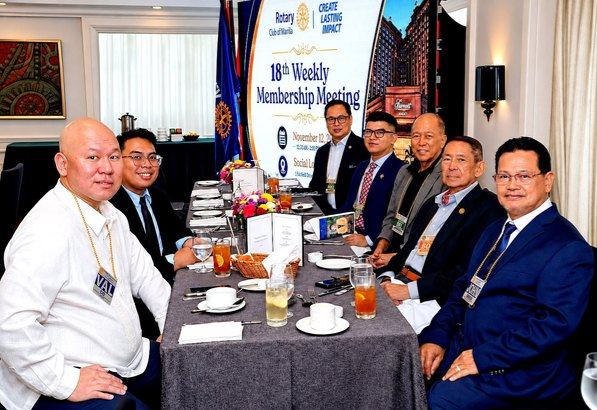
When my longtime friend Pauline Fermin shared this story at the Rotary Club of Manila's 18th Weekly Membership Meeting on November 12, 2026, she gave a familiar dilemma a sharper meaning. Preparing the next generation involves more than choosing successors. It requires us to examine our own willingness to let them lead.
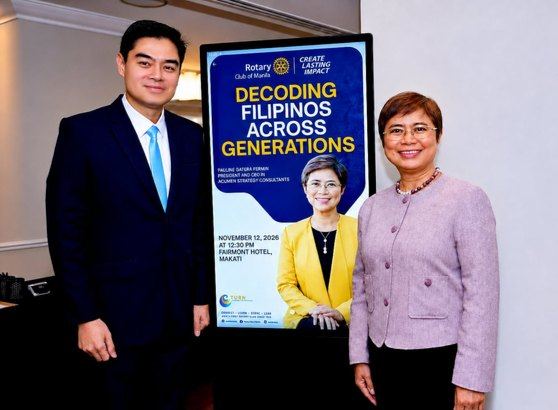
For me, welcoming Pauline carried the pleasure of a friendship reaching back almost forty years. I have known her and her best friend, Marion Kohchet-Chua, since our student days at the UP College of Business Administration, when the careers and responsibilities that would occupy our lives still lay ahead.
Pauline was already one of her class's academic stars. She graduated magna cum laude and class valedictorian of U.P. BS BAA's Class of 1988, topped that year's Certified Public Accountants Licensure Exam, and pursued postgraduate studies at Harvard Business School. Over the decades, she built on that exceptional beginning through executive roles at Coca-Cola and P&G (Procter and Gamble) and, subsequently, through her leadership of Acumen Strategy Consultants, where she now serves as President and Chief Executive Officer.
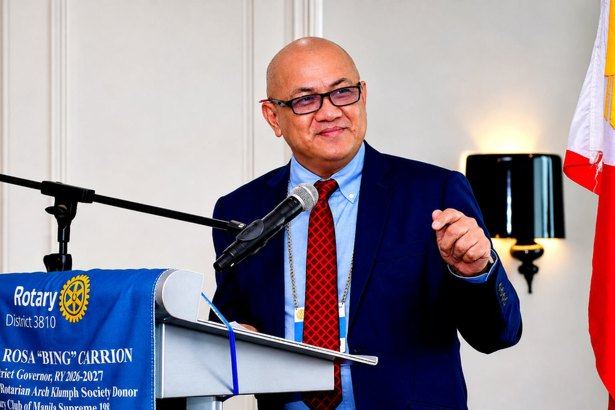
I invited her because her work speaks to a concern many of us encounter in our businesses and our homes. We say something that seems perfectly reasonable, then discover that our children or younger colleagues understand it quite differently. They would probably describe their conversations with us in much the same way. Beneath these everyday misunderstandings lie larger questions about commitment, authority, ambition, and what makes a life well lived.
Yet before Pauline addressed those questions as a strategist, she spoke as a daughter. Her father had been an active member of the Rotary Club of Caloocan, and she had grown up with The Four Way Test and "Service above self." He had passed away three years earlier. Standing before us, she imagined him beside her, proudly applauding the daughter who, she joked, would like to claim she had been his favorite among three.
Her recollection gave the afternoon an intimate foundation. Here was a father's influence finding expression years later in his daughter's work. For those of us entrusted with Rotary leadership, it was a reminder that our example travels beyond our meetings and projects. It enters households and becomes part of what children remember about service and the responsibilities that come with having something to give.
From that personal inheritance, Pauline turned to the more complicated business of organizational succession. In the company she described, a millennial son had been appointed CEO, but his father continued to make many of the major decisions. The younger executive held the office without fully possessing its authority.
I could appreciate the uncertainty on both sides. A founder sees in an enterprise the accumulated risks and sacrifices of a lifetime. A successor accepts responsibility for its future while trying to establish the freedom to act. Without clear boundaries, both can remain suspended in a handover that has been announced but never completed. Pauline asked us to consider whether our expectations were contributing to that impasse. If younger leaders must reproduce our habits and perspectives before we recognize their readiness, we may find ourselves waiting indefinitely. She placed before us a question that deserves to remain with every leader in the room: "Is my organization ready for the next generation?"
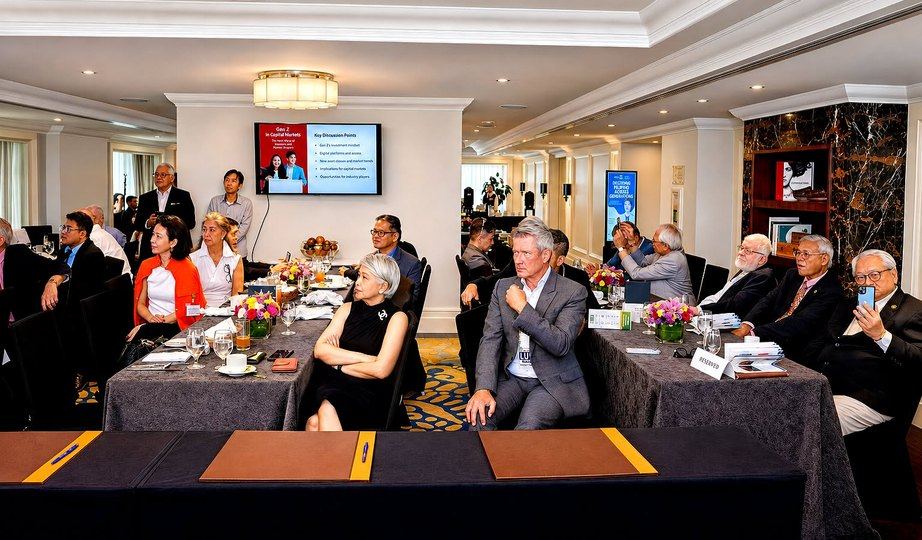
Her discussion drew on Project Alphabet, Acumen's research into how Filipinos across generations think, live, and work together. She described the 2025 research as the firm's fourth generational study in a decade, incorporating an organizational examination that included interviews with chief human resources officers. As she presented it, Millennials and Gen Z accounted for approximately three-quarters of the workforce, while boomers and Generation X continued to occupy much of senior leadership.
That arrangement makes understanding one another a practical leadership responsibility. People may share a workplace and its objectives while holding different expectations about communication, recognition, and the place of work in their lives. Pauline encouraged us to examine those expectations through life stage, family and social relationships, and the wider events that shaped each generation.
Her portraits offered useful starting points. Baby Boomers, whom she called the "legacy guardians," brought the discipline, loyalty, and institutional memory associated with lives shaped by rebuilding and scarcity. Gen X., the generation to which Pauline and I belong, appeared as the "steady providers," often balancing leadership responsibilities with the needs of children and aging parents. Her phrase bawal magkasakit captured the pressure of being needed by so many people at once.
Millennials emerged as "connectors," familiar with established career expectations yet increasingly attentive to purpose, flexibility, and a sustainable balance of obligations. Gen Z brought digital fluency, adaptability, and a willingness to question practices they believed could improve. Their clearer boundaries around work could puzzle leaders accustomed to expressing commitment through long hours and personal sacrifice. I took these descriptions as invitations to inquire more carefully into the people around us. A younger colleague's boundary may reflect lessons learned from watching a parent struggle with exhaustion. An older leader's reluctance to delegate may carry the memory of risks others never witnessed. Understanding those histories gives us a better chance of working through the differences.
Pauline also identified common ground. Family, money, and education remained important across generations. But she reported that health had taken the highest numerical position among the study's values in 2025, while work-life balance had entered the top five. The pandemic, in her interpretation, had helped reshape those priorities. People who had seen illness overturn their plans were reconsidering what achievement should cost.
For leaders, the implications were concrete. Pauline urged us to clarify purpose, establish governance, and define decision-making rights so successors could exercise the authority attached to their responsibilities. She emphasized mentoring, structured development, clear measures of success, and continuous feedback. I was
particularly encouraged by her observation that younger employees were hungry for mentoring. Our experience still has much to offer when we make it available in ways that strengthen another person's judgment. She called the ability to understand and work across these differences "𝘨𝘦𝘯𝘦𝘳𝘢𝘵𝘪𝘰𝘯𝘢𝘭 𝘧𝘭𝘶𝘦𝘯𝘤𝘺." Within Rotary, where people of varied ages and professional backgrounds come together voluntarily, that is a capability worth cultivating.
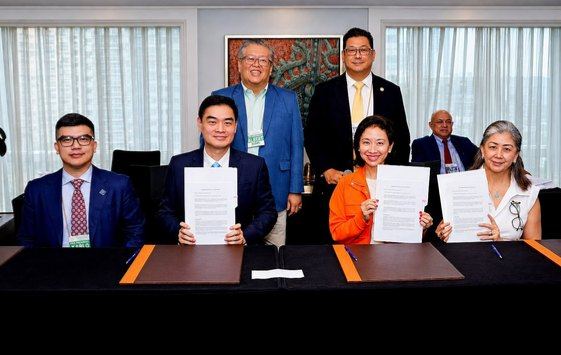
The service partnerships renewed during our meeting gave these ideas a tangible setting. Through The ABC's of Reading Teacher Training Program, our club and RCManila Foundation, Inc., continued working with Literacy Specialists, Inc., associated with the Reading Specialists group. Joanna Feria Montinola described a partnership entering its third year, with approximately 240 teachers trained and the potential to reach more than 11,000 students in the first year alone.
What struck me was the continuing reach of that investment. A teacher brings new knowledge into a classroom, then carries it into another school year. Practical instruction grounded in the science of reading can help a child who has begun to associate the printed page with frustration discover that learning is within reach. Supporting a teacher's ability can influence many such encounters.
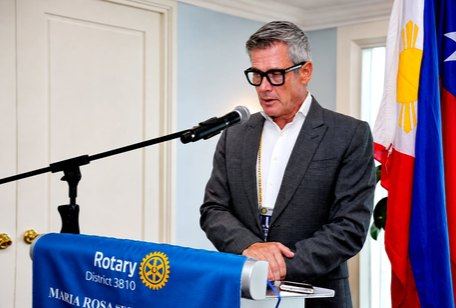
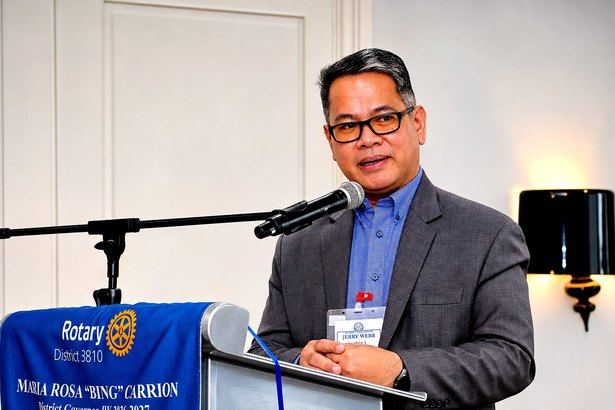
Our partnership with Dualtech Training Center Foundation Inc., approached opportunity at a later stage of a young person's life. Jerry Muhi explained its two-year Electromechanics Technology program: six months of foundational instruction, including 960 hours in electrical, mechanical, and electronics technology, followed by eighteen months of training with cooperating companies.
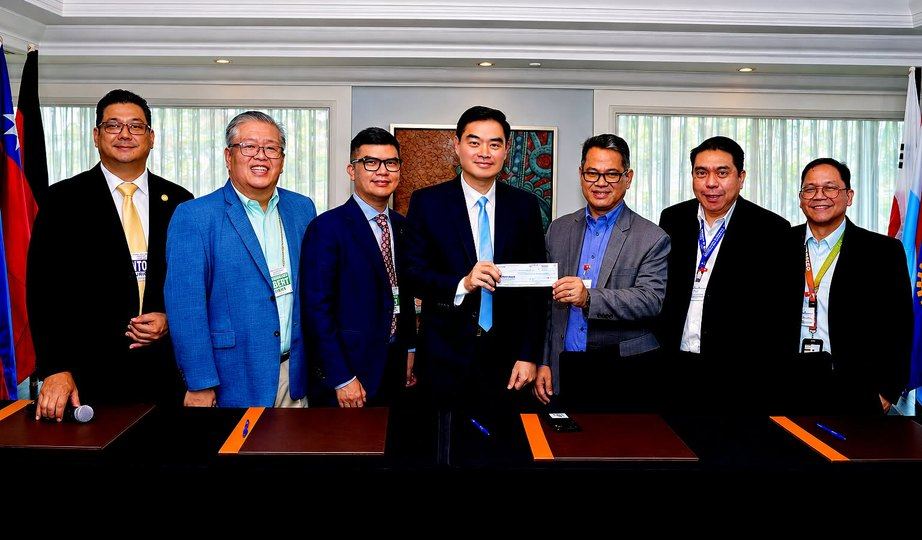
Jerry placed the investment at approximately ₱65,000 per scholar, covering tuition support and essential needs during the initial training period. The partnership's presentation reported 39 scholars supported over 2021–2025, including 25 alumni who had completed in-plant training and were employed in technical and manufacturing firms. Our renewed commitment was presented as providing assistance to ten deserving young Filipinos.
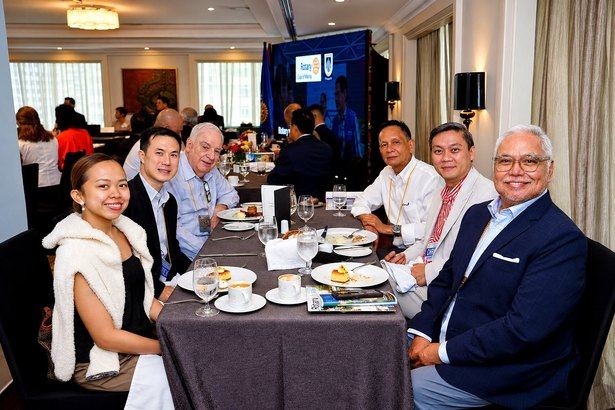
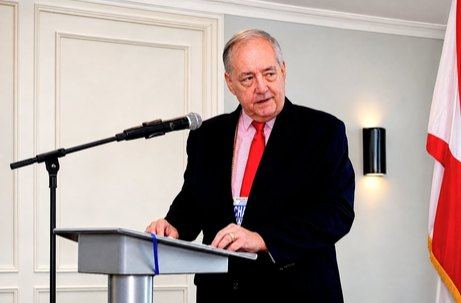
Jerry repeatedly directed our attention to the families behind the scholars. A training allowance could help a young person remain in the program while providing support at home. Employment could improve the prospects of a household. Those possibilities give the scholarship figures their human meaning.
The program's history also illustrated the continuity Pauline was asking us to consider. Our late Past President Bobby Joseph had helped champion the partnership; Anton Mauricio's leadership as program chair and its institutionalization under RCManila Foundation helped carry it forward. Our visit to Dualtech in September formed part of that continuing engagement. Work begun through one person's conviction was becoming a responsibility shared by others.
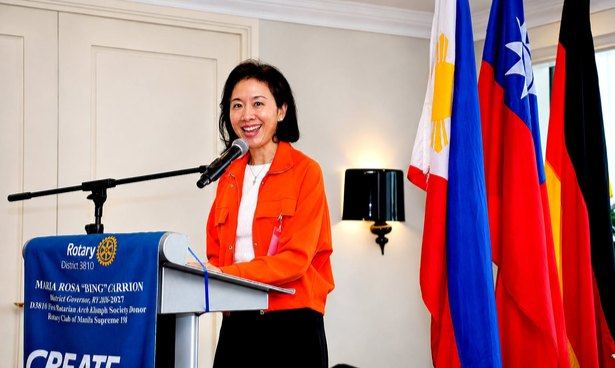
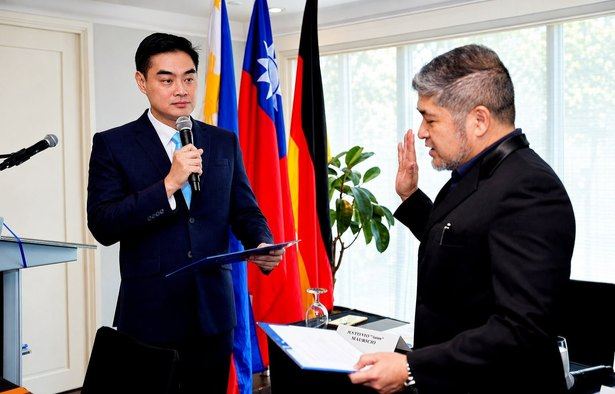
The induction of our new architect member brought that responsibility into the club itself. Past District Governor Alex Cureg's charge set out the obligations of membership, and I had the privilege of administering the oath to a good friend from our Anvil Business Club days, Ronald Alan Ko. Our chorale supplied the warmth of welcome. What followed would depend on the opportunities we created for our new member to participate, contribute, and eventually accept responsibilities of his own.
Looking across the afternoon, I saw a common purpose in these different moments. We were equipping teachers to help children learn, supporting scholars preparing for employment, welcoming another professional into service, and examining our readiness to entrust leadership to others. Each undertaking depended on confidence in someone's capacity to grow, supported by the means to make that growth possible.
As President, I believe that is a useful measure of our stewardship. A teacher needs training. A scholar needs resources and a credible pathway to work. A new member needs meaningful participation. A successor needs guidance, clear authority, and room to exercise judgment. Our commitment becomes consequential when we provide those conditions.
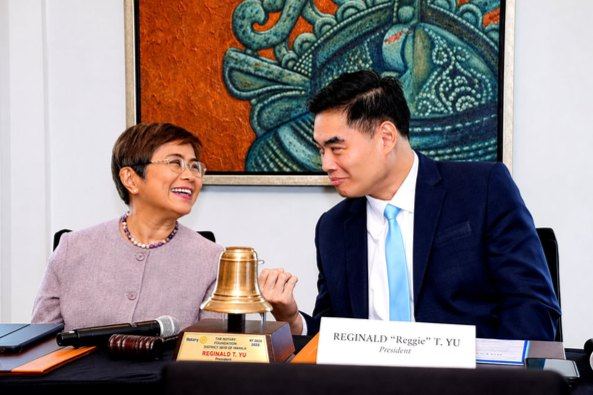
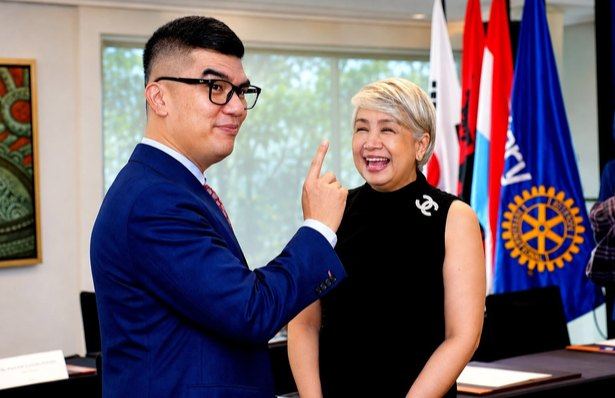
Presenting Pauline with our certificate of appreciation also brought our long acquaintance into perspective. Nearly forty years earlier, she, Marion, and I had been students with our own futures still unfolding. Now, an old friend was helping the organization I had the privilege of leading consider how to prepare others for theirs. We had once been the young people finding our way. Today, we must ask how well we are helping others find theirs.
I carried that question away from our club's eighteenth weekly gathering. The value of my term will rest partly in the work we accomplish, and partly in what others are better able to undertake because we made room for them. It will live in partnerships that endure, abilities that develop, and responsibilities that pass into capable hands.
Pauline's visit reminded me that the future already has people ready to shape it. Our task is to recognize them, prepare alongside them, and trust them with a place at our table.
 Staying Awake So That Others May Sleep
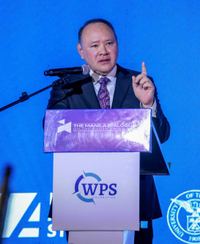 Honorable Gilberto C. Teodoro, Jr., Secretary of National Defense
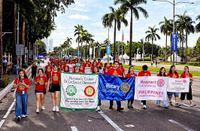 Every Step, A Promise of Hope
