

Silence, War, and Survival
Under the Japanese occupation, the Club ceased all formal operations and its records were deliberately burned. After the war it was readmitted to Rotary International with its original charter number, and Rotary International entrusted it with P10,000 to help rehabilitate needy members and families across the district.
- 1939–1940
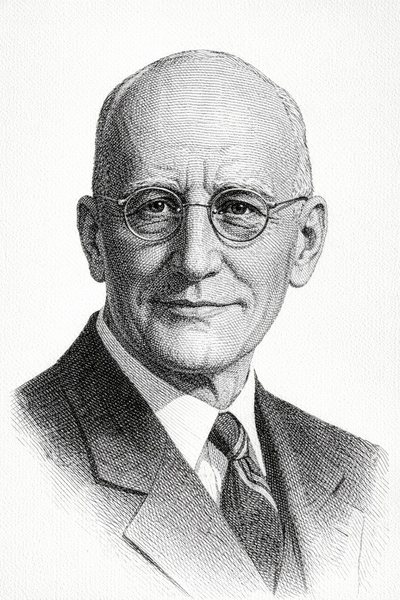 PresidentEdward L. Hall
Edward “Ned” L. Hall, an American commercial executive active in Manila’s business and Masonic circles, served as the club’s twenty-second president. His term saw at least 35 active committees and the introduction of a members’ badge rack. Internationally, Rotary allocated $50,000 for Red Cross war relief and approved a relief fund for Rotarians and their families affected by war.
Gil J. Puyat's first term supported boys, fire victims and children needing eyeglasses As the Club's youngest president, Gil J. Puyat led work that helped disadvantaged boys, fire victims and children who needed eyeglasses. Past presidents - 1940–1941
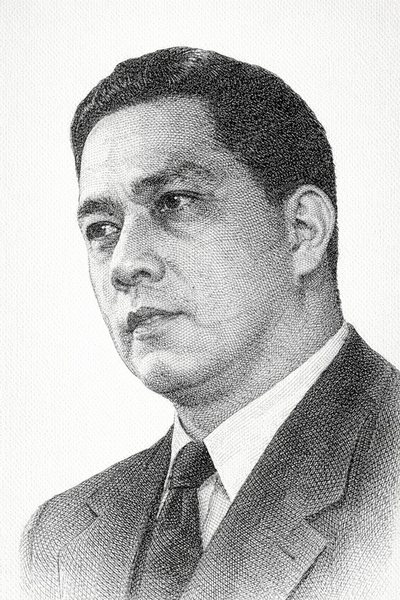 PresidentGil J. Puyat
Gil J. Puyat, a Filipino industrialist, educator, and future Senate president, was Manila Rotary’s youngest president. His first term supported disadvantaged boys, fire victims, and children needing eyeglasses. Returning after World War II, he led the club’s revival with 50 charter members and coordinated assistance for Rotarians and their families, using Rotary International funding and donated supplies to support recovery.
Gil J. Puyat's first term supported boys, fire victims and children needing eyeglasses As the Club's youngest president, Gil J. Puyat led work that helped disadvantaged boys, fire victims and children who needed eyeglasses. Past presidentsThe Club held its last prewar meeting on Corregidor President Hugo H. Miller's term was cut short by the war. The Club's final 1941 meeting took place on Corregidor, where General Douglas MacArthur became an honorary member. Past presidents - 1941
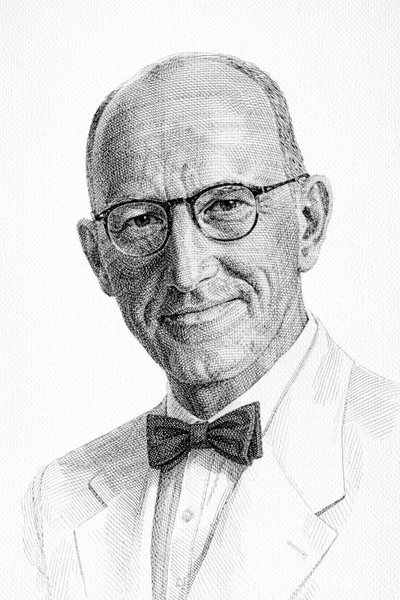 PresidentHugo H. Miller
Hugo H. Miller, an American educator, economics textbook author, and publishing representative, served as Manila Rotary’s twenty-fourth president. His term was cut short by World War II, during which club records were destroyed and regular activities ceased. The club’s final 1941 meeting took place on Corregidor, and General Douglas MacArthur became an honorary member. Miller was later captured and executed by Japanese forces.
The Club held its last prewar meeting on Corregidor President Hugo H. Miller's term was cut short by the war. The Club's final 1941 meeting took place on Corregidor, where General Douglas MacArthur became an honorary member. Past presidentsThe Club ceased formal operations under the Japanese occupation During the occupation the Club stopped all formal activity and its records were deliberately burned. Past presidents - 1945–1946
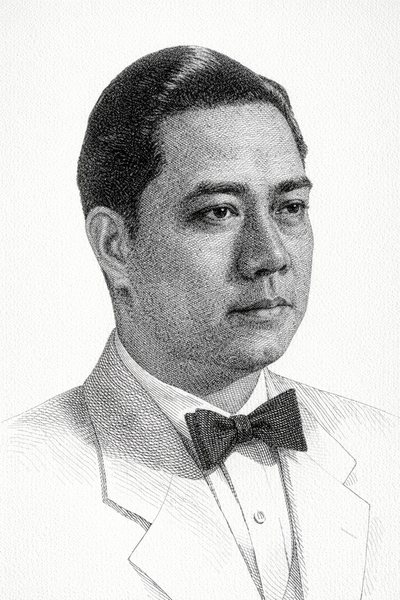 PresidentGil J. Puyat
Gil J. Puyat, a Filipino industrialist, educator, and future Senate president, led Manila Rotary’s postwar revival during his second term. The club rejoined Rotary International with 50 charter members, retaining its original charter number, 478. With ₱10,000 from Rotary International and supplies donated by Philadelphia Rotarians, it assisted members and their families, helping rebuild lives disrupted by war.
The Club was readmitted to Rotary International with Charter No. 478 Led again by Gil J. Puyat, the Club rejoined Rotary International with 50 charter members and kept its original charter number. With P10,000 from Rotary International and supplies donated by Philadelphia Rotarians, it helped members and their families rebuild. Past presidents - 1946–1947
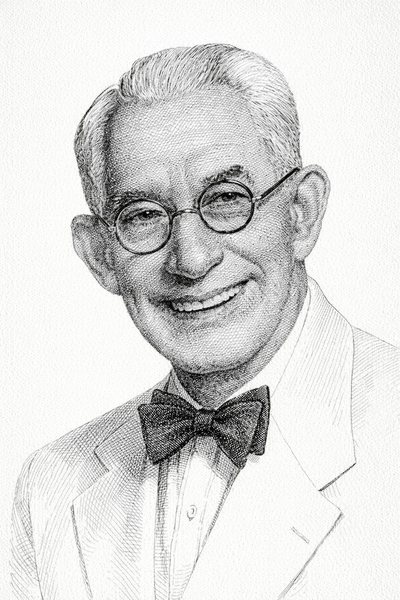 PresidentForrest H. Myers
Forrest H. Myers, an American businessman and longtime Manila resident, became the Rotary Club of Manila’s first American president after World War II. He served during the club’s early postwar recovery, following its reestablishment under Gil J. Puyat. His term coincided with the death of Rotary founder Paul Harris on January 27, 1947, marking a significant moment in the organization’s history.
A public courtesy campaign distributed 15,000 posters Under President Manuel B. Lim the Club ran a public courtesy campaign with 15,000 posters and welcomed an official visit from Rotary International President S. Kendrick Guernsey. Past presidents - 1947–1948
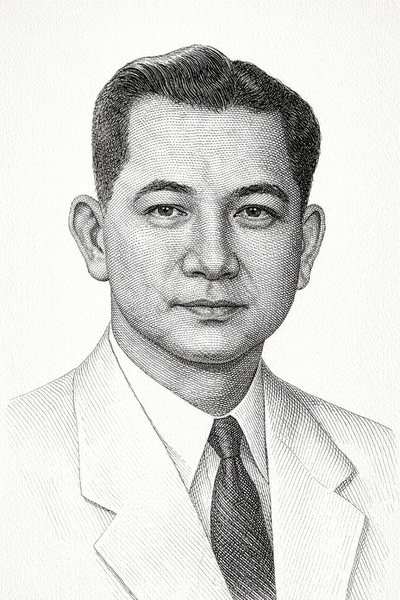 PresidentManuel B. Lim
Manuel B. Lim, a lawyer and Ateneo law dean who later served as Secretary of Education and Secretary of Commerce and Industry, led Manila Rotary’s twenty-seventh presidency. He strengthened Rotary education through assemblies and fireside meetings, promoted a public courtesy campaign distributing 15,000 posters, and welcomed Rotary International President S. Kendrick Guernsey’s official visit.
A public courtesy campaign distributed 15,000 posters Under President Manuel B. Lim the Club ran a public courtesy campaign with 15,000 posters and welcomed an official visit from Rotary International President S. Kendrick Guernsey. Past presidentsPresident Elpidio Quirino became an honorary member and addressed the Club At the year-end banquet on June 24, 1948, in the Pavilion of the Manila Hotel, President Elpidio Quirino spoke by broadcast on the State of the Nation. The Balita reported him as a new honorary member of the Club. Balita No. 599, page 5The Rotary Balita reached its 600th issue The 600th Balita looked back at the newsletter's history, back to its first editor in 1919, and carried Gil J. Puyat on "No Trade with Japan". Balita No. 600, page 1The Club decided to build a Rotary Home in Manila for the 81st District At its closed meeting of October 14, 1948, the Club decided to construct a Rotary Home in Manila for District 81. Balita No. 607, page 3Aviation Day: the Club met at the Philippine Airlines air field The meeting of October 28, 1948 was held as Aviation Day with Philippine Airlines as host. Col. Otis Bryan spoke on the organization and future of aviation, and 86 of the Club's 120 members attended. Balita No. 608 - 1948–1949
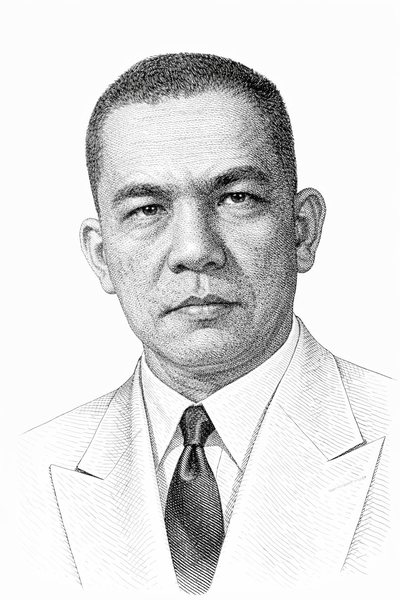 PresidentEmilio M. Javier
Emilio M. Javier, a Filipino lawyer, educator, and former vice-presidential candidate, served as Manila Rotary’s twenty-eighth president. During his term, the club supported the creation of a National Traffic Commission and hosted the Sixth District Conference in March 1949. He promoted Rotary’s four avenues of service through his address, “Extending Our Rotary Frontiers,” and spoke at Rotary’s International Assembly in Lake Placid, New York.
President Elpidio Quirino became an honorary member and addressed the Club At the year-end banquet on June 24, 1948, in the Pavilion of the Manila Hotel, President Elpidio Quirino spoke by broadcast on the State of the Nation. The Balita reported him as a new honorary member of the Club. Balita No. 599, page 5The Rotary Balita reached its 600th issue The 600th Balita looked back at the newsletter's history, back to its first editor in 1919, and carried Gil J. Puyat on "No Trade with Japan". Balita No. 600, page 1The Club decided to build a Rotary Home in Manila for the 81st District At its closed meeting of October 14, 1948, the Club decided to construct a Rotary Home in Manila for District 81. Balita No. 607, page 3Aviation Day: the Club met at the Philippine Airlines air field The meeting of October 28, 1948 was held as Aviation Day with Philippine Airlines as host. Col. Otis Bryan spoke on the organization and future of aviation, and 86 of the Club's 120 members attended. Balita No. 608Membership grew from 138 to 153 and the Club won the district governor's trophy In Cornelio A. Balmaceda's year the Club donated 102 pairs of eyeglasses and ran disability placement, beautification and scholarship work. Meetings returned to the Manila Hotel and the Club earned the district governor's trophy. Past presidentsThe Club joined sponsors of a National Traffic Commission On January 15, 1949 the Board of Directors voted unanimously, on the recommendation of the Philippine Safety Council, that the Club be one of the sponsors for the creation of the National Traffic Commission. Balita No. 613, page 2The Club hosted the Sixth District Conference at the Manila Hotel The Sixth Conference of the 81st District of Rotary International met at the Manila Hotel on March 3 and 4, 1949. Its program included the District Governor's report and balloting for the 1949-50 Governor. Balita No. 616, page 5
Presidents and term notes from the Past presidents roll, drawn from “The Work That Endures” (2026) and the Balita archive.